







What's Happening?
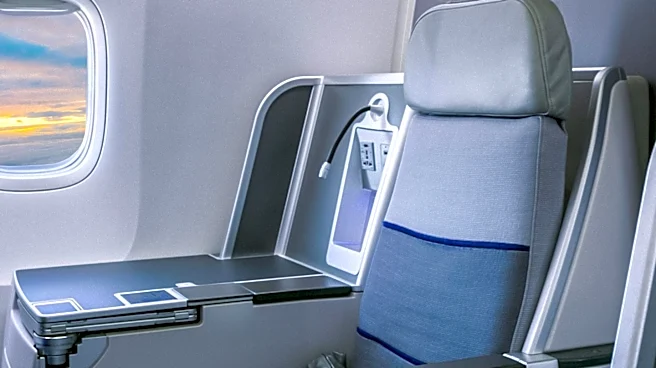
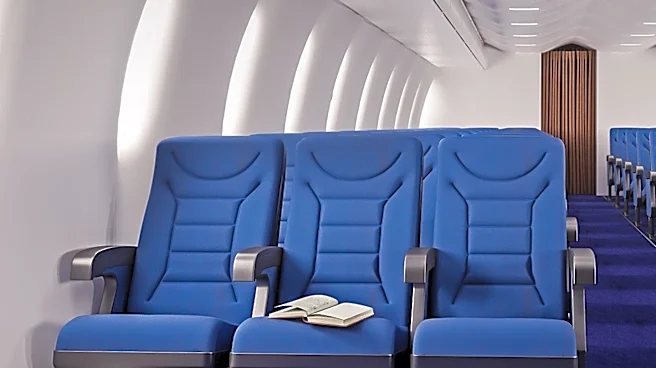
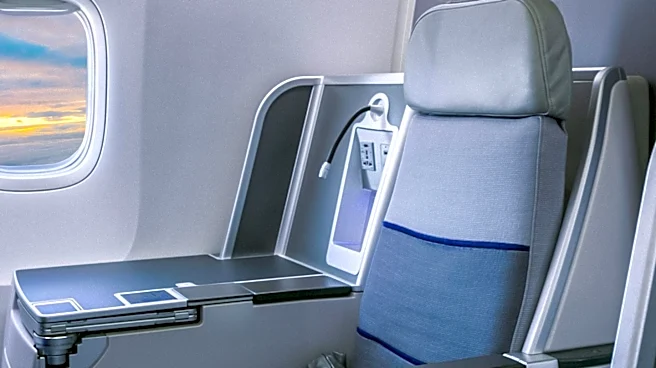
A new trend in the U.S. airline industry is emerging with the introduction of 'basic' business-class fares. This approach aims to make premium travel more accessible by offering a stripped-down version of business class that retains core in-flight experiences
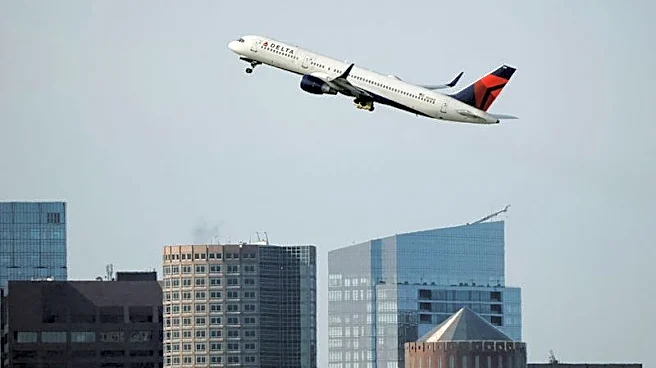
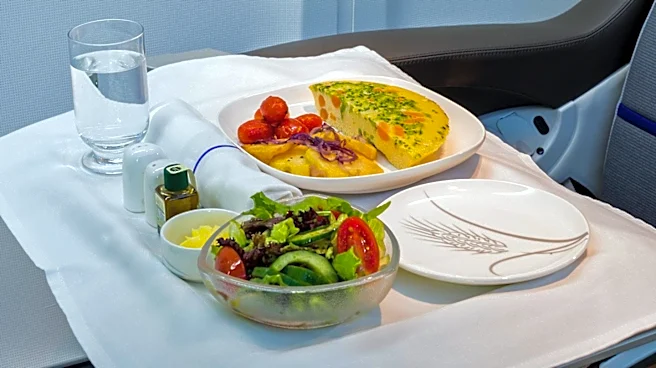
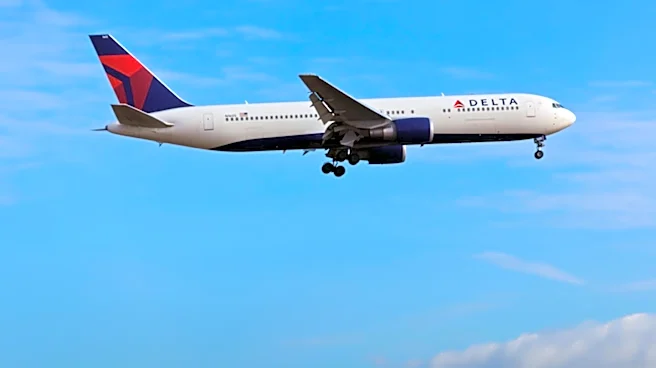
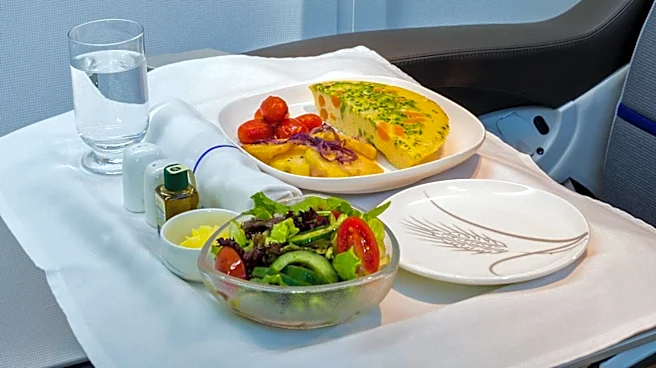
like lie-flat beds and enhanced meals, but removes traditional perks such as lounge access, free seat selection, and priority check-in. United Airlines and Delta Air Lines are among the U.S. carriers adopting this model, with Delta expanding 'basic' fares to all its cabins. The concept is also being embraced by international airlines like Qatar Airways and Air France-KLM. The move is designed to provide travelers with more choices, allowing them to enjoy premium seating without paying for additional amenities they may not need.
Why It's Important?
The introduction of 'basic' business-class fares could significantly impact the airline industry by altering how premium travel is perceived and purchased. For consumers, this offers a more flexible and potentially cost-effective way to experience business class, appealing to both leisure travelers looking to upgrade their experience and corporate clients aiming to reduce travel expenses. However, there is concern that this trend might lead to a gradual increase in prices for fully inclusive business-class tickets, as airlines unbundle services to maximize revenue. This shift could redefine the competitive landscape, as airlines balance between offering affordable premium options and maintaining the allure of traditional business-class services.
What's Next?
As airlines continue to roll out these 'basic' business-class fares, they will likely monitor customer feedback and adjust offerings to better meet traveler needs. The success of this model could prompt more airlines to adopt similar strategies, potentially leading to a broader industry shift towards unbundled premium travel options. Stakeholders, including frequent flyers and corporate travel planners, will be watching closely to see how these changes affect overall travel costs and experiences. Additionally, airlines may explore further customization of fare structures to cater to diverse customer preferences, potentially leading to more personalized travel experiences.