





What's Happening?
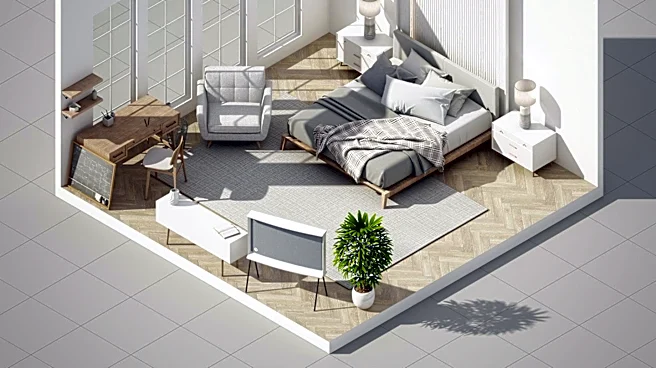
Felo AI has launched a free AI Room Design Generator that transforms a photo of any room into a photorealistic redesign. Users can upload a room photo, select from over 40 styles (such as futuristic, Japandi, or industrial), and receive a wide interior
render. The tool maintains the room's existing walls, windows, and camera angle while altering furniture, finishes, and lighting. Beyond just a visual concept, the generator provides a comprehensive designer plan, including a five-color palette with hex codes, materials and finishes, a three-layer lighting plan, layout suggestions, and signature details to define the chosen style. Additionally, it offers shoppable furniture lists at three budget tiers: under $500 for a refresh, a mid-range makeover, and a full redesign, with real product ideas sourced through live web and image searches. The tool is designed to accommodate real-world constraints, such as renter-friendly options, existing furniture to keep, and considerations for pets and kids. It also supports staging for real estate listings.
Why It's Important?
This development is significant for the U.S. interior design and real estate markets, democratizing access to professional-grade design concepts. Homeowners and renters can now visualize complex redesigns without the cost and time commitment of traditional interior designers, potentially increasing home improvement activity. The inclusion of shoppable lists at various price points directly impacts retail, connecting consumers with products and potentially boosting sales for furniture and home goods companies. For real estate agents, the ability to quickly stage empty or dated rooms virtually can enhance property listings, attract more buyers, and potentially reduce time on the market. The tool's focus on practical constraints, like renter-friendly designs, addresses a large segment of the population previously underserved by traditional design services. This innovation could also pressure traditional interior design services to adapt, focusing on more complex projects involving structural changes or specialized trade coordination, where AI tools currently have limitations.
What's Next?
The immediate next step for users is to upload a room photo and experiment with various styles and constraints to generate redesign concepts. Felo AI's tool allows for iterative changes through conversational prompts, enabling users to refine designs by asking for specific adjustments like warmer lighting or rug removal. This iterative process means users can achieve a highly personalized design before committing to purchases. The generated plans, including color palettes, lighting schemes, and shoppable lists, can then be used to execute the redesign. For real estate professionals, the tool offers an immediate solution for virtual staging, which can be integrated into their marketing strategies. The continued development of such AI tools is likely to see further integration with e-commerce platforms and potentially more advanced features for structural planning, although the current focus remains on decor and furnishing.
Beyond the Headlines
The emergence of free, sophisticated AI interior design tools like Felo AI's generator points to a broader trend of AI-driven personalization and accessibility across various industries. This technology challenges the traditional gatekeepers of design, making professional-quality visualization available to a mass audience. Ethically, it raises questions about the future role of human designers, potentially shifting their focus from conceptualization to execution, project management, and addressing complex, non-visual design challenges. Legally, the sourcing of 'real product ideas' for shoppable lists could lead to new forms of affiliate marketing and partnerships between AI platforms and retailers, necessitating clear disclosure and data privacy considerations. Culturally, it could foster a more design-conscious consumer base, empowering individuals to experiment with aesthetics and personalize their living spaces more frequently, potentially leading to faster trend cycles in home decor and furnishings. The long-term shift could be towards a hybrid model where AI handles initial concepts and basic layouts, while human expertise is reserved for nuanced, complex, or highly bespoke projects.