




What's Happening?
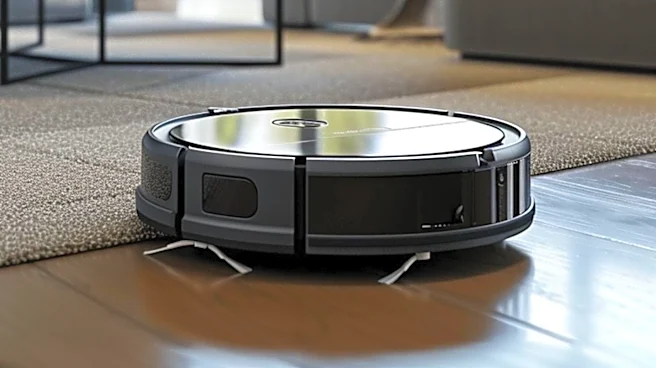
Home automation is transforming residential settings by integrating various smart technologies to manage systems like blinds, robot vacuums, and kitchen appliances. This technology aims to simplify daily tasks and enhance comfort, security, and energy
efficiency. Key components include smart lighting, which allows control over brightness and schedules; smart thermostats, which adjust temperatures based on routines and occupancy; and smart security systems, featuring connected cameras, door sensors, and smart locks. The goal is to create a cohesive environment where devices communicate and respond automatically to changing conditions, reducing the need for constant manual intervention. Modern smart homes are moving beyond individual gadgets to a more integrated approach, where routines can trigger multiple devices simultaneously, such as adjusting lighting, temperature, and music with a single command. This integration makes smart technology less visible and more intuitive, adapting the home to the occupants' lifestyles and needs.
Why It's Important?
The increasing adoption of home automation is significant for U.S. consumers and industries due to its potential to improve quality of life, reduce energy consumption, and enhance home security. For homeowners, these systems offer convenience by automating repetitive tasks, leading to more comfortable and responsive living spaces. The ability to remotely control and monitor home systems provides peace of mind, particularly concerning security and energy management. Economically, the growth of the smart home market drives innovation and competition among technology companies, creating new jobs and investment opportunities. Industries involved in manufacturing smart devices, developing software platforms, and providing installation services stand to gain. Furthermore, the focus on energy efficiency through smart thermostats and energy monitoring systems can lead to substantial savings for households and contribute to broader energy conservation efforts, impacting utility providers and environmental initiatives. The shift towards integrated systems also highlights the importance of interoperability standards like Matter, which can simplify the user experience and accelerate market growth.
What's Next?
The future of home automation is expected to involve even greater integration and intelligence, with a focus on seamless user experiences and enhanced security. The development of universal connectivity standards like Matter will likely lead to broader compatibility among devices from different manufacturers, simplifying setup and management for consumers. We can anticipate more sophisticated AI-driven automation that learns user preferences and anticipates needs, making homes even more responsive. The emphasis on security will continue, with advancements in biometric authentication and more robust data privacy measures. Furthermore, the expansion of smart home technology into areas like health monitoring and elder care is a foreseeable development, offering new functionalities beyond traditional comfort and security. As the technology matures, the market will likely see more affordable and accessible solutions, making smart homes a standard rather than a luxury, and driving further innovation in energy management and personalized living environments.
Beyond the Headlines
Beyond the immediate benefits of convenience and security, home automation raises deeper implications concerning privacy, data ownership, and the evolving relationship between humans and technology. The collection of vast amounts of data by smart devices, from daily routines to energy consumption patterns, poses significant privacy challenges. Ensuring the secure handling and ethical use of this data will be crucial for maintaining consumer trust. There's also a subtle shift in how individuals interact with their living spaces; as homes become more autonomous, the line between human control and automated decision-making blurs. This could lead to questions about personal agency and the potential for over-reliance on technology. Culturally, the smart home trend reflects a broader societal move towards efficiency and personalization, but it also highlights disparities in access to advanced technology. Addressing these ethical and societal dimensions will be essential as home automation becomes more pervasive, shaping not just our houses, but our daily lives and expectations of convenience and control.