





What's Happening?
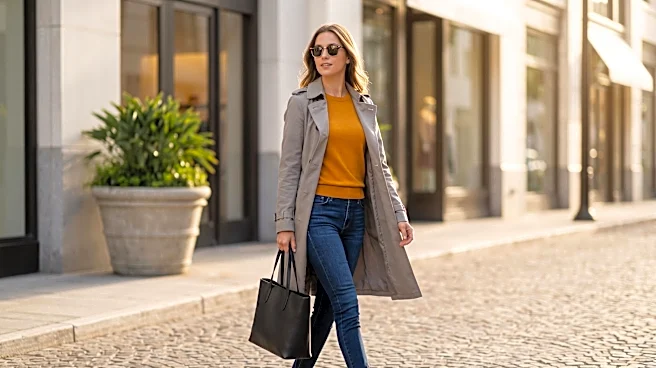
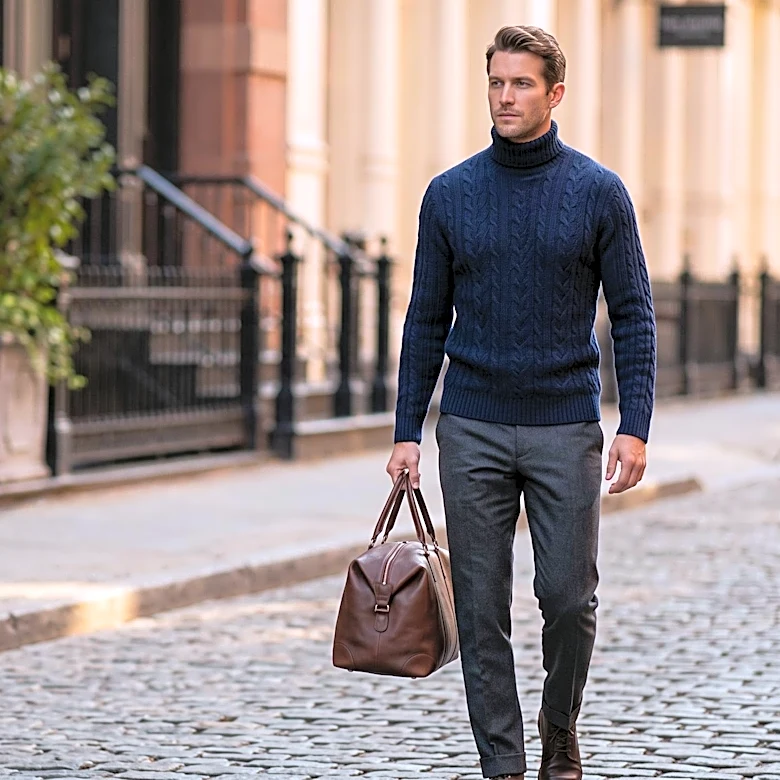
A recent study commissioned by Samsung indicates that street style has become a primary source of fashion inspiration for individuals in the UK, surpassing celebrities and influencers. The research, which polled 2,000 adults, found that 41% of Brits consider
it a compliment when asked about their clothing or accessories. Despite this, 52% would feel uncomfortable directly approaching a stranger to inquire about their outfit. Approximately 30% of respondents frequently spot an item and immediately want to find out where it's from, often spending an average of one hour and 14 minutes searching online to identify and track down desired fashion pieces. Social media (25%), friends and family (21%), and TV and films (20%) also contribute to fashion choices. For Millennials and Gen Z, even daily commutes (21%) and office environments (19%) influence their style. Social media platforms are increasingly used as personal style archives, with 25% saving outfit posts, a figure that rises to 57% for Gen Z and 40% for Millennials. The study highlights a growing reliance on technology, with 51% of those surveyed expressing interest in a device that could help pinpoint the origin of specific looks.
Why It's Important?
This shift in fashion inspiration from traditional celebrity endorsements to everyday street style has significant implications for the fashion industry, marketing strategies, and technology development. Brands and retailers may need to re-evaluate their advertising approaches, potentially investing more in user-generated content, street style photography, and direct-to-consumer engagement rather than solely relying on high-profile endorsements. The discomfort many feel in asking strangers about their clothes, coupled with the time spent searching online, underscores a market demand for innovative tech solutions that bridge this gap. Companies like Samsung, with its Galaxy Z Fold8 featuring 'Circle to Search with Google,' are already tapping into this need, offering tools that allow users to instantly identify and shop for items they see. This trend could lead to a more democratized fashion landscape, where individual expression and real-world trends hold more sway, potentially fostering greater diversity and accessibility in style. It also highlights the increasing role of technology in consumer behavior, transforming how people discover, curate, and acquire fashion.
What's Next?
The evolving landscape of fashion inspiration suggests several potential developments. Technology companies are likely to further innovate in visual search and AI-powered fashion discovery tools, making it even easier for consumers to identify and purchase items seen in real life or on screens. This could include more sophisticated image recognition, augmented reality shopping experiences, and seamless integration with e-commerce platforms. Fashion brands may increasingly collaborate with micro-influencers and everyday style icons, or even develop community-driven platforms to showcase and promote street style. Retailers might also adapt their inventory and merchandising based on real-time street style trends, moving away from solely top-down fashion directives. Furthermore, as social media continues to serve as a personal style archive, platforms may introduce enhanced features for saving, organizing, and sharing fashion inspiration, potentially integrating directly with shopping functionalities. The emphasis on personal style and accessibility could also lead to a greater focus on sustainable and ethical fashion, as consumers become more discerning about the origins and impact of their clothing choices.
Beyond the Headlines
The rise of street style as a primary fashion influence reflects broader societal shifts towards authenticity, personalization, and community-driven trends. This phenomenon challenges the traditional top-down model of fashion, where trends were dictated by designers and celebrities. Instead, it empowers individuals and local communities to shape sartorial narratives, fostering a more diverse and inclusive fashion ecosystem. Ethically, this shift could encourage more conscious consumption, as people are inspired by attainable, everyday looks rather than aspirational, often unattainable, celebrity styles. It also highlights the blurring lines between online and offline experiences, with digital tools becoming integral to real-world interactions and discoveries. The discomfort in direct interaction but eagerness for digital solutions points to a cultural preference for mediated engagement, which could have implications for social etiquette and communication in public spaces. Ultimately, this trend signifies a move towards a more democratic and technologically integrated approach to personal style, where individual expression and collective influence are paramount.