






What's Happening?
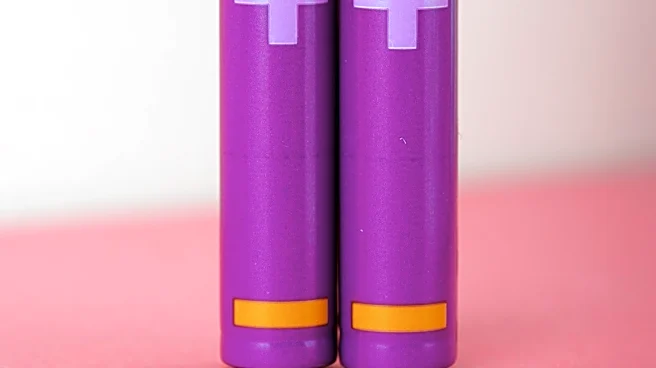
A team of researchers in China has unveiled a new sodium metal battery (SMB) design capable of fully charging in just four minutes while retaining its capacity for years. This development addresses the common issue of dendrite formation, which has previously
hindered the commercial viability of SMBs. By using a quasi-solid gel electrolyte, the researchers have strengthened the battery against punctures and prevented dendrite formation. The study, published in Nano-Micro Letters, demonstrates that the battery can be charged and discharged over 6,000 hours without short-circuiting, offering a promising alternative to lithium-ion batteries.
Why It's Important?
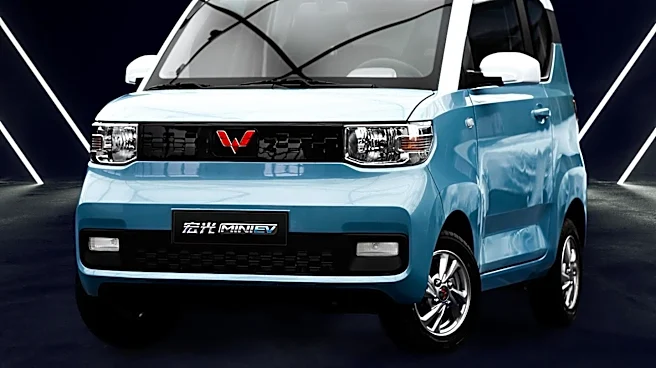
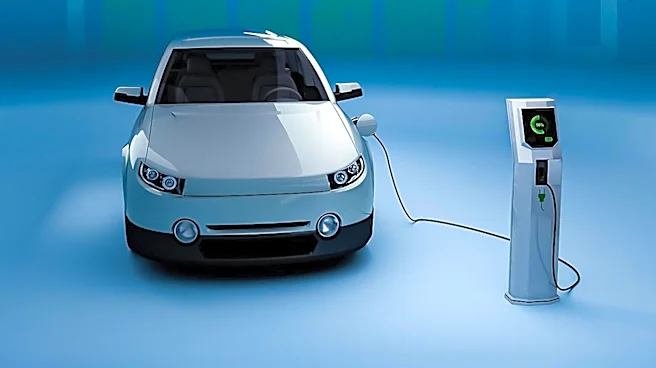
The introduction of a fast-charging, stable sodium metal battery could significantly impact the battery industry, particularly in the context of electric vehicles (EVs) and consumer electronics. SMBs offer a cheaper and safer alternative to lithium-ion batteries, which rely on scarce metals and are prone to catching fire. The ability to charge quickly and maintain capacity over time makes SMBs an attractive option for EVs, potentially reshaping the economics of battery deployment. This advancement could lead to more affordable and sustainable battery solutions, supporting the growth of renewable energy technologies.
What's Next?
While the new SMB design shows promise, further research and replication are needed before it can be widely adopted. The technology must be tested under various conditions to ensure its reliability and safety in real-world applications. If successful, SMBs could become a preferred choice for EVs and other applications, offering a balance of cost, safety, and performance. The continued development of this technology could drive innovation in the battery industry, leading to more efficient and environmentally friendly energy storage solutions.