


What's Happening?
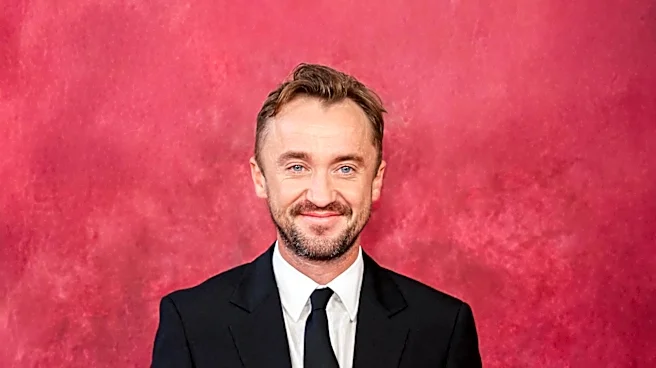
Actor Tom Felton, known for his role as Draco Malfoy in the Harry Potter series, is facing significant online backlash regarding promotional images for his new £83 Slytherin-inspired necklace. Fans are alleging that the product photographs appear to be
AI-generated or heavily edited, rather than showcasing the actual jewelry. Users on social media platform X have pointed out visual inconsistencies in the images, such as a chain that seems to split and merge awkwardly, and an oddly connected snake tail on the pendant. The necklace is part of Felton's merchandise collection, 'The Wrong Sort,' and is listed as an 'Autographed Necklace (Preorder)' on his official store, promising a bespoke medallion, a hand-signed collector's card, and a certificate of authenticity. Shipping for autographed items is estimated to take 14 to 15 weeks.
Why It's Important?
This incident highlights growing consumer skepticism and scrutiny regarding the authenticity of product imagery, particularly in the age of advanced AI generation and digital editing. For celebrities and brands, the use of potentially misleading promotional materials can severely damage reputation and erode consumer trust. Fans are expressing concerns about the legitimacy of the product itself, questioning why real images or videos of the necklace are not being displayed. This backlash underscores the importance of transparency and genuine representation in e-commerce and celebrity merchandising. The controversy could lead to a re-evaluation of marketing practices within the industry, pushing for more authentic visual content to avoid accusations of deception and maintain consumer confidence.
What's Next?
The immediate next steps for Tom Felton's team will likely involve addressing the fan concerns directly. This could include releasing unedited photographs or videos of the actual necklace, providing clearer explanations for the current promotional images, or offering refunds to dissatisfied customers. The incident may also prompt other celebrities and brands to review their own marketing strategies, particularly concerning the use of AI-generated or heavily edited visuals for product promotion. There could be a push for industry standards or best practices to ensure that promotional content accurately represents the physical product. The long-term impact on Felton's merchandise line will depend on how effectively he and his team manage this public relations challenge and restore trust with his fanbase.
Beyond the Headlines
This controversy touches upon broader ethical considerations surrounding the use of artificial intelligence in marketing and advertising. As AI image generation becomes more sophisticated, the line between reality and digital fabrication blurs, creating challenges for consumer trust and authenticity. The incident with Tom Felton's necklace could serve as a case study for how quickly public perception can turn negative when promotional materials are perceived as inauthentic. It also raises questions about consumer protection in an era where products might be marketed with images that do not accurately reflect the final item. This situation may contribute to a larger societal debate about the responsible use of AI in commercial contexts and the need for clear disclosure when AI tools are employed to create product visuals, especially when the product itself is tangible and physical.