





What's Happening?
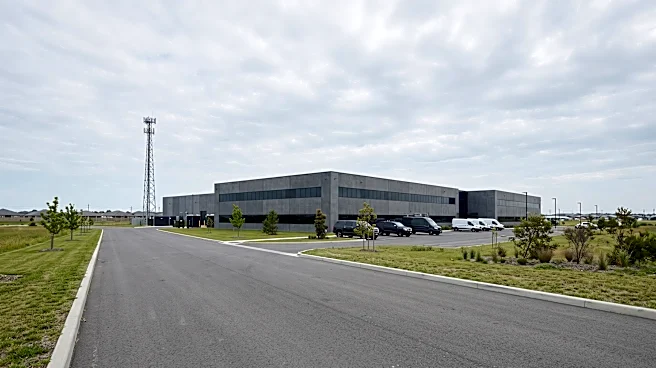
Entergy Louisiana CEO Phillip May inadvertently revealed that Meta's data center in Richland Parish, dubbed Hyperion, is projected to draw an extraordinary 4,500 megawatts (MW) of electricity. This figure is approximately four times the peak electricity demand
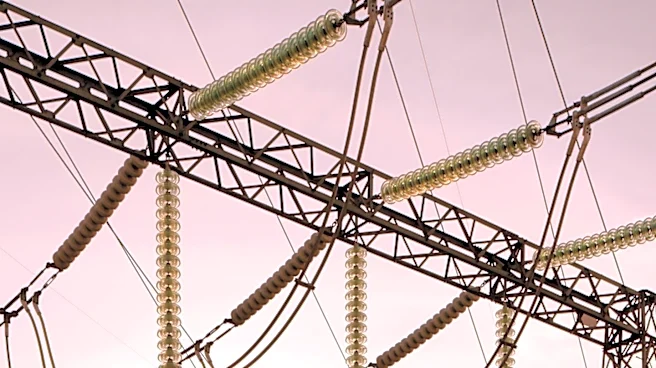
of the entire city of New Orleans. Meta is expected to utilize close to this amount of electricity almost continuously. The information, previously treated as confidential due to its commercially sensitive nature, came to light during a public discussion. Entergy plans to build billions of dollars in new generation and transmission infrastructure largely to serve this massive demand. May stated that the agreement with Meta is structured to protect other customers from costs associated with this new infrastructure, with Meta's payments designed to exceed the actual revenue requirements. If Entergy's costs increase, Meta will pay more, and if they decrease, Meta will pay less.
Why It's Important?
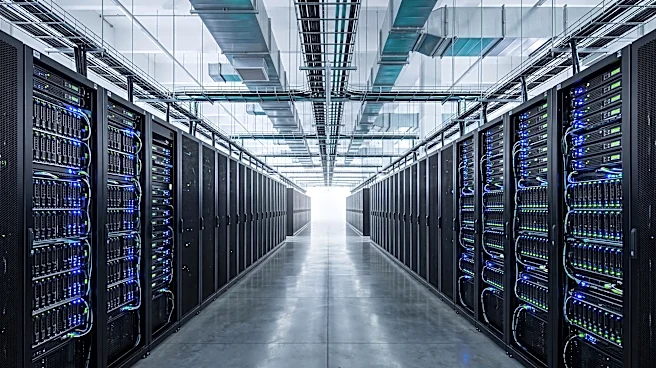
The revelation of Meta's data center power demand highlights the immense and growing energy needs of the technology sector, particularly for artificial intelligence and data processing. A single data center requiring 4,500 MW of continuous power significantly impacts regional energy grids and infrastructure planning. This scale of demand necessitates substantial investment in new power generation and transmission, as seen with Entergy's plans. While Entergy asserts that the agreement with Meta protects other ratepayers, the sheer volume of electricity required raises questions about long-term energy sustainability, resource allocation, and potential environmental impacts, especially if new generation relies on fossil fuels. The project also underscores the economic influence of major tech companies, as their infrastructure decisions can drive significant development and investment in local economies, but also place considerable strain on existing resources and infrastructure.
What's Next?
The disclosure of Meta's substantial power demand will likely intensify scrutiny from environmental groups and consumer advocates regarding the energy sources and financial implications of the new infrastructure. Attorneys for the Union of Concerned Scientists, Alliance for Affordable Energy, and Louisiana Energy Users Group have already pressed Entergy CEO Phillip May on the financial risks of such large investments tied to a single customer. Future discussions will likely focus on ensuring that other ratepayers are indeed protected from bearing the costs of this expansion. Entergy will need to continue to demonstrate the robustness of its agreement with Meta and its plans for new generation and transmission. The project's development will also be subject to ongoing regulatory oversight and public engagement, particularly concerning environmental permits and the long-term energy mix for Louisiana.
Beyond the Headlines
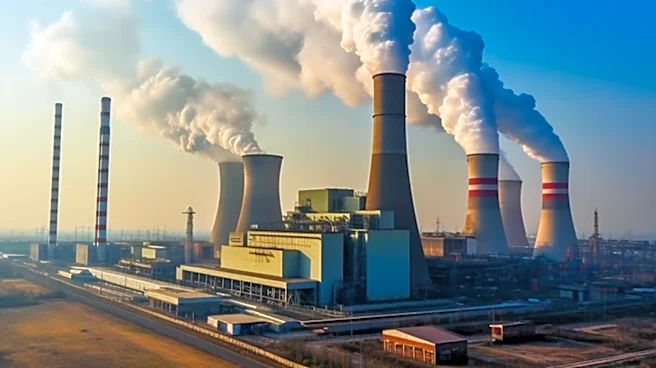
The Meta data center's colossal power requirement in Richland Parish is a microcosm of a larger national trend: the escalating energy consumption driven by the digital economy and the rapid expansion of artificial intelligence. This development forces a critical examination of how the U.S. will meet these burgeoning energy needs while simultaneously pursuing decarbonization goals. The reliance on new generation and transmission infrastructure, potentially including gas-fired plants, could conflict with climate objectives, raising ethical questions about the environmental footprint of digital innovation. Furthermore, the confidentiality surrounding such large-scale energy demands from tech giants highlights a lack of transparency that can hinder public discourse and informed decision-making about energy policy and infrastructure development. This situation underscores the need for comprehensive energy planning that integrates technological growth with environmental stewardship and equitable cost distribution across all stakeholders.