




What's Happening?
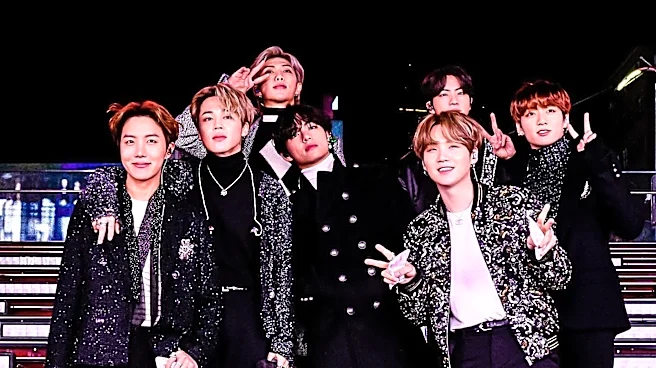
J-Hope, whose real name is Jung Ho-seok, is widely regarded by fans and media as the informal second leader of the global music group BTS. While RM is officially recognized as the group's leader, J-Hope's supportive personality, sense of responsibility,
and ability to guide members have earned him this unofficial title. Born on February 18, 1994, in Gwangju, South Korea, J-Hope developed a strong interest in dancing before joining Big Hit Entertainment and debuting with BTS in 2013. His stage name reflects the positive image he brings to the group, characterized by his cheerful personality, hard work, and discipline. He plays a crucial role in maintaining a positive atmosphere, helping members stay focused during rehearsals and performances, and understanding their diverse personalities. His contributions are particularly noticeable during complex choreographies and stage arrangements, where his experience as a skilled dancer helps maintain the group's performance standards and encourages teamwork. This informal leadership role complements RM's official duties, allowing for shared responsibilities in maintaining group unity.
Why It's Important?
J-Hope's informal leadership within BTS highlights the multifaceted nature of leadership in high-performing teams, particularly in the entertainment industry. His role demonstrates that leadership extends beyond official titles and can be significantly influenced by an individual's supportive actions, ability to foster teamwork, and capacity to maintain morale under demanding conditions. For BTS, J-Hope's contributions are vital for their continued success, as he helps navigate the pressures of international tours, rigorous schedules, and complex performances. His ability to understand and support individual members contributes to the group's cohesion and overall well-being, which is crucial for sustained artistic output and fan engagement. This dynamic also offers a model for other groups or organizations, illustrating how distributed leadership, where different members contribute leadership in various capacities, can strengthen collective performance and resilience. The recognition of his role by fans underscores the value placed on emotional intelligence, mentorship, and practical guidance within a collaborative environment.
What's Next?
As BTS continues its global activities, J-Hope's role as an informal leader is expected to remain integral to the group's internal dynamics and public image. His continued influence will likely manifest in maintaining the group's performance quality, fostering positive inter-member relationships, and contributing to the overall morale during demanding schedules. Fans will continue to appreciate his supportive nature and performance guidance, reinforcing his status within the fandom. While there is no indication of a formal change in leadership structure, J-Hope's consistent contributions will likely solidify his reputation as a key figure in BTS's operational success. His solo career and individual artistic endeavors will also continue to showcase his versatility, further enhancing his standing as a respected artist and influential member of the group. The balance between RM's official leadership and J-Hope's supportive role will likely continue to be a defining characteristic of BTS's collaborative strength.
Beyond the Headlines
J-Hope's informal leadership role within BTS offers deeper insights into the psychological and sociological aspects of group dynamics in high-pressure environments. It underscores the importance of emotional labor and relational leadership, where an individual actively works to maintain harmony, provide encouragement, and facilitate effective communication among team members. This goes beyond mere task management, touching upon the emotional well-being and interpersonal cohesion that are critical for long-term success in any collaborative venture. His ability to lead through performance, by setting standards and guiding choreography, also highlights a form of leadership that is demonstrated through action and expertise rather than solely through hierarchical authority. This model challenges traditional notions of leadership, suggesting that influence can be organically earned through consistent positive contributions and a genuine commitment to the collective good. It also reflects a cultural appreciation for humility and supportive roles, where individuals can exert significant influence without necessarily holding the top position.