







What's Happening?
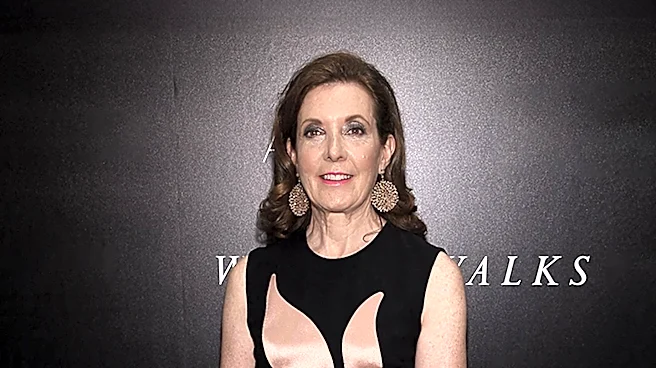
Allyson Felix, a decorated track and field athlete who retired in 2022, announced in April 2026 her intention to return to competition with the goal of participating in the 2028 Los Angeles Olympics. Now 40 years old, Felix aims for her sixth Olympic Games,
which would take place in her hometown. Speaking on the ANDMOM podcast on October 30, Felix revealed that her decision was driven by curiosity about her capabilities at this stage of her life, despite an initial "deep feeling of guilt" about pursuing such an ambitious goal at her age. She clarified that her motivation is not to prove anything or validate her legacy, having already achieved 11 Olympic medals, but rather to explore what is still possible.
Why It's Important?
Allyson Felix's potential return to the Olympics at age 40 challenges conventional notions of athletic longevity and peak performance in track and field. Her decision could inspire other older athletes and individuals to pursue ambitious goals, normalizing the idea that significant achievements are possible later in life. This comeback also highlights advancements in sports science, nutrition, and recovery, as Felix plans to leverage these areas to prepare differently than in her younger years. Her journey will be closely watched, potentially influencing how sports organizations and sponsors view and support veteran athletes. Furthermore, her candid discussion about overcoming personal guilt resonates with broader societal conversations about ageism and the pursuit of personal fulfillment beyond traditional timelines.
What's Next?
Allyson Felix plans to return to competition in 2027 as she prepares for the 2028 Los Angeles Olympics. Her immediate next steps will involve a tailored training regimen, focusing on innovative recovery and performance strategies suitable for her age. She acknowledges the significant physical challenges and the difficulty of securing a spot on the highly competitive U.S. Olympic team, particularly for relay events. Felix will also continue to balance her athletic pursuits with her roles as a mother and her other professional commitments. Her journey will likely be documented, offering insights into the unique challenges and triumphs of an elite athlete attempting a comeback later in her career.
Beyond the Headlines
Felix's narrative extends beyond sports, touching on themes of self-acceptance, challenging societal expectations, and redefining success. Her initial feeling of guilt about pursuing a major ambition at 40 reflects a common internal struggle many individuals face when contemplating significant life changes or goals outside of perceived age-appropriate norms. By openly discussing this, Felix contributes to a dialogue about empowering individuals to pursue their passions regardless of age. Her comeback also implicitly advocates for a more holistic approach to athleticism, emphasizing mental well-being and personal desire alongside physical prowess. This could encourage a shift in how athletic careers are viewed, moving towards greater longevity and personal agency.