




What's Happening?
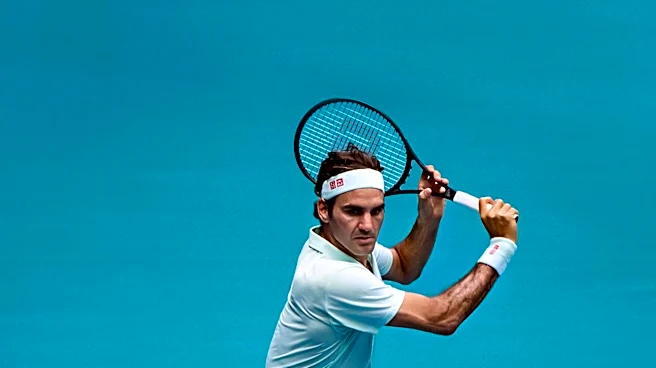
Paul Annacone, a renowned tennis coach, shared insights into his experiences coaching two tennis legends, Pete Sampras and Roger Federer. Annacone coached Sampras from 1995 to 2002 and Federer from 2010 to 2013. He emphasizes that while both achieved
extraordinary success, their fundamental motivations and approaches to the sport were vastly different. Sampras was driven by a relentless desire to win Grand Slams and set records, placing immense pressure on himself but thriving under it. He was known for his ability to perform optimally even when not playing his best, focusing on mental fortitude and composure. Federer, in contrast, was motivated by a deep love for the game and the lifestyle it offered, enjoying the travel, practice, and interactions. Annacone recounts a conversation where Sampras asked Federer why he still played smaller tournaments, to which Federer replied, 'Because I love it.'
Why It's Important?
Annacone's reflections offer a unique perspective on the psychology of elite athletes and the diverse paths to achieving greatness in sports. His insights are important because they challenge the monolithic view of what drives champions, demonstrating that success can stem from various internal motivations—whether it's Sampras's intense, goal-oriented drive or Federer's joy-driven passion. This understanding can influence coaching philosophies, sports psychology, and how athletes are developed, emphasizing the importance of individualizing approaches rather than applying a one-size-fits-all model. The contrast between Sampras's self-critical, record-focused mindset and Federer's love for the process provides valuable lessons for aspiring athletes and coaches about finding and nurturing intrinsic motivation, which is crucial for sustained performance at the highest levels.
What's Next?
Annacone continues to be involved in tennis as a commentator on the Tennis Channel and a coach to American Taylor Fritz, suggesting his insights will continue to influence the sport. His observations about the distinct motivations of Sampras and Federer are likely to be discussed in sports psychology circles and coaching seminars, potentially shaping future training methodologies. The ongoing debate about what constitutes true greatness in sports will undoubtedly draw upon such comparative analyses, as fans and experts continue to dissect the careers of these iconic figures. For current and future tennis players, understanding these different motivational frameworks can help them identify and cultivate their own unique drivers for success, fostering a more personalized and sustainable approach to their careers.
Beyond the Headlines
The deeper implications of Annacone's observations extend beyond tennis, touching upon broader themes of human motivation and the pursuit of excellence in any field. The contrast between Sampras's 'talent is talent' philosophy, focused on mental resilience and winning even when not at peak performance, and Federer's 'love the life' approach, highlights different forms of mastery. Sampras's ability to 'suck it up' and perform under immense pressure, and Federer's capacity to manage highs and lows with 'relentless optimism,' offer profound lessons in emotional intelligence and self-regulation. This narrative suggests that while external achievements are measurable, the internal journey and the 'why' behind one's efforts are equally, if not more, significant in defining a legacy and personal fulfillment. It underscores that there is no single blueprint for success, but rather a spectrum of effective approaches rooted in individual personality and values.