





What's Happening?
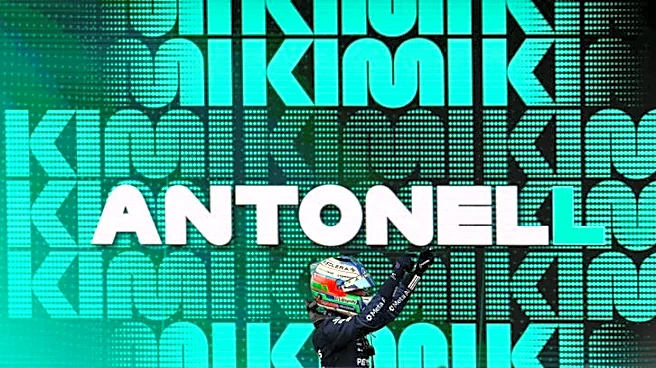
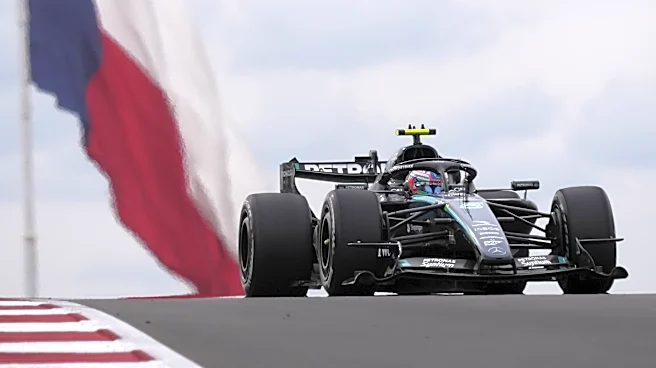
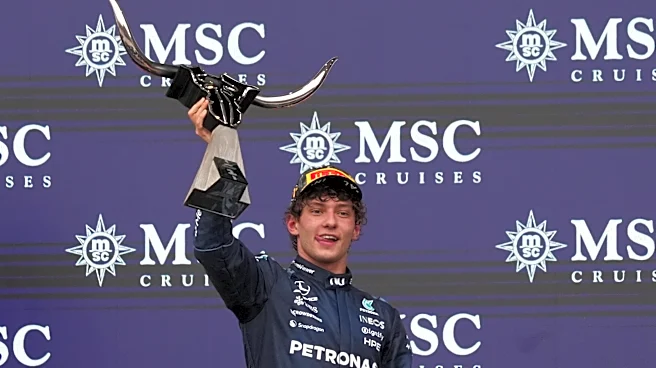
Andrea Kimi Antonelli, a 20-year-old Italian driver for Mercedes, is on the verge of securing the Formula 1 World Drivers' Championship. He currently holds a 123-point lead after his ninth Grand Prix victory of the season in Austin and is just two points
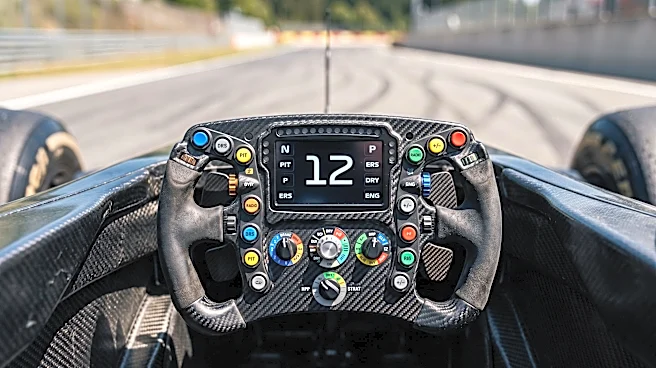
away from clinching the 2026 title. If successful, Antonelli will become the first Italian to win the Formula 1 championship since Alberto Ascari in 1953. This achievement marks a significant moment for Italian motorsport, as Antonelli will break a 73-year championship drought for the nation. Notably, Antonelli was once considered by Ferrari at age 11 but was ultimately not signed to their junior development program, a decision that allowed Mercedes to secure him. He has expressed a desire to keep his current racing number, 12, which is associated with his childhood hero Ayrton Senna.
Why It's Important?
Antonelli's impending championship is profoundly significant for Italian motorsport and Formula 1. It ends a decades-long wait for an Italian world champion, potentially shifting the focus of Italian fans from their traditional allegiance to Ferrari to a national driver, even if he races for a rival team. This situation highlights a critical missed opportunity for Ferrari, which had the chance to sign Antonelli as a prodigy but declined, allowing Mercedes to cultivate a future champion. The decision by Ferrari, reportedly influenced by institutional limitations rather than a lack of talent, underscores the high stakes of talent identification and development in elite sports. For Mercedes, securing Antonelli represents a strategic triumph, demonstrating their effective talent scouting and development programs. The narrative also brings to light Ferrari's historical reluctance to back Italian drivers, a policy reportedly stemming from the tragic death of Lorenzo Bandini in 1967, which has left a lasting impact on the team's driver selection.
What's Next?
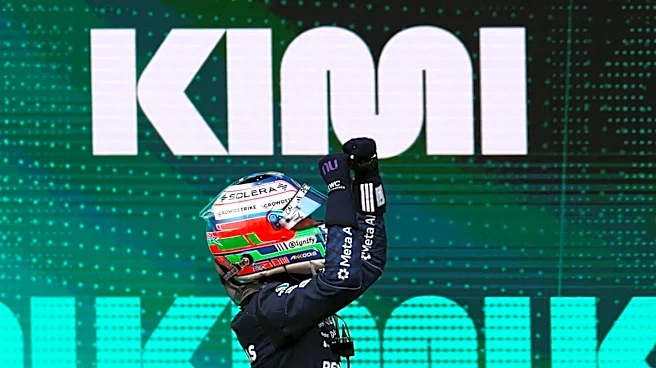
Antonelli is expected to clinch the Formula 1 World Drivers' Championship in the upcoming Mexico City Grand Prix, barring an unforeseen catastrophe. His victory will likely trigger widespread celebrations in Italy, marking a new era for Italian motorsport. Following his championship, Antonelli's career trajectory will be closely watched, with expectations for him to become a dominant figure in Formula 1. The focus will also shift to how Ferrari will address its past decision regarding Antonelli, potentially leading to a re-evaluation of their talent acquisition strategies and their approach to Italian drivers. Mercedes, having successfully nurtured a world champion, will likely continue to invest heavily in their junior driver programs, aiming to replicate this success. Antonelli's choice to retain his racing number 12, associated with Ayrton Senna, will also be a point of interest, symbolizing his connection to racing legends.
Beyond the Headlines
The story of Andrea Kimi Antonelli extends beyond a simple championship win; it delves into the complex interplay of national identity, team loyalty, and strategic foresight in Formula 1. For Italian fans, Antonelli's success with Mercedes presents an emotional paradox, challenging their deep-seated allegiance to Ferrari. This could lead to a cultural shift where national driver loyalty gains prominence over manufacturer loyalty. The narrative also exposes the long-term consequences of corporate decisions, as Ferrari's past hesitation has resulted in a rival team benefiting from a generational talent. Ethically, it raises questions about the responsibility of major sporting institutions to nurture domestic talent. The historical context of Ferrari's reluctance to sign Italian drivers, rooted in a tragic accident, highlights how past events can shape future policies and impact national sporting narratives for decades. Antonelli's triumph will serve as a poignant reminder of what could have been for Ferrari, potentially influencing future talent development strategies across the sport.