


What's Happening?
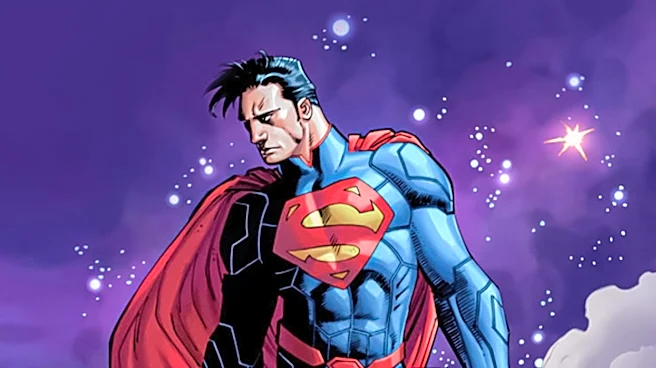
DC Comics has explored an alternate narrative in the recently concluded series 'Superman: Father of Tomorrow,' written by Kenny Porter and illustrated by Danny Earls. This series reimagines the Superman mythos by positing that Jor-El, rather than his son
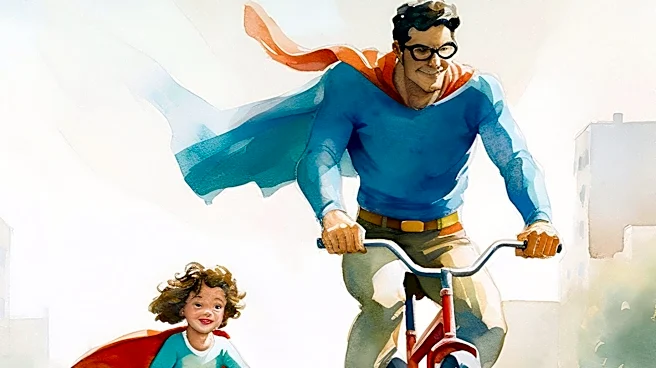
Kal-El, was the sole survivor of Krypton's destruction. In this version, Jor-El, adopting the name 'Jordan Kent,' is found by the Kents as an adult. The story delves into how this fundamental change alters Superman's character, his relationship with Earth, and his approach to heroism. Unlike Kal-El, Jor-El carries the trauma of Krypton's destruction and struggles with adapting to Earth's culture as an adult. His scientific background leads him to attempt to improve society through Kryptonian technology, which inadvertently creates new problems. The series examines the consistency of Superman's core values despite vastly different circumstances.
Why It's Important?
The 'Elseworlds' approach taken in 'Superman: Father of Tomorrow' is significant for the U.S. comic book industry as it allows for creative exploration of established characters without altering the main continuity. This strategy can attract new readers interested in fresh takes on classic heroes while offering existing fans a deeper understanding of what makes these characters enduring. Such series contribute to the intellectual property's longevity and versatility, demonstrating how core themes and character traits can transcend specific origins. For DC Comics, these alternate narratives can serve as testing grounds for new ideas and creative teams, potentially influencing future mainstream storylines or adaptations in other media. The success of such experimental series can also bolster sales and engagement, proving that there is a market for diverse interpretations of iconic figures, thereby supporting the economic health of the comic book publishing sector.
What's Next?
While 'Superman: Father of Tomorrow' has concluded, the exploration of alternate realities and character interpretations is a continuous trend within DC Comics. The insights gained from such series, particularly regarding the fundamental aspects of Superman's character, may influence future storylines in the main DC Universe or inspire new 'Elseworlds' projects. DC will likely continue to publish similar experimental narratives, allowing creators to delve into 'what if' scenarios for other iconic heroes. The discussions generated by 'Superman: Father of Tomorrow' among fans and critics will contribute to the ongoing dialogue about character development and the evolution of superhero mythology. These narratives often lead to further analysis and appreciation of the core characters, ensuring their continued relevance in popular culture and potentially paving the way for new creative directions in comics, television, and film.
Beyond the Headlines
The concept of 'Elseworlds' in comic books, exemplified by 'Superman: Father of Tomorrow,' delves into profound philosophical questions about identity, destiny, and the impact of circumstance on character. By altering a foundational element—Jor-El surviving instead of Kal-El—the series explores whether heroism is inherent or a product of upbringing and environment. It highlights the ethical complexities of power and the potential pitfalls of even well-intentioned attempts to 'fix' society. This narrative approach allows for a deeper examination of the values Superman represents, such as hope, truth, and justice, by testing them against different personal histories and challenges. Such stories resonate beyond mere entertainment, offering commentary on human nature, the responsibilities of power, and the enduring appeal of archetypal heroes in a constantly evolving world. They encourage readers to consider the multifaceted nature of their favorite characters and the broader implications of their actions.