





What's Happening?
Padel Den, the first padel facility in Utah County, has opened in Orem, marking a significant step in the rapid growth of the racquet sport in Utah. Brothers Kyle and Parker Quinlan, Utah Valley University graduates, established Padel Den after discovering
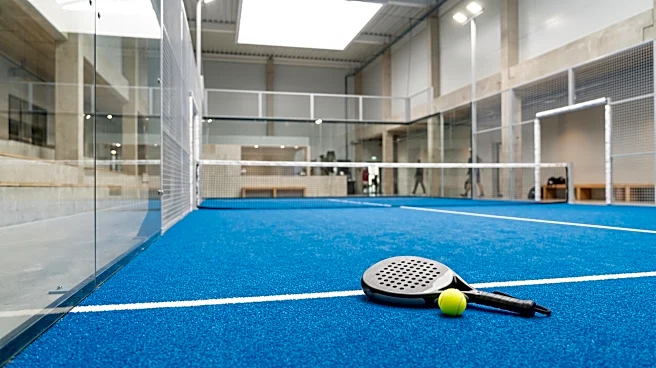
the sport in Puerto Rico and realizing there were no courts in Utah. Padel, a combination of racquetball, squash, pickleball, and tennis, is played as a doubles sport on artificial turf courts, which are one-third the size of a tennis court. Since its grand opening in April, which saw 200-300 attendees, Padel Den has become the second facility of its kind in Utah. The sport, which is scored like tennis and requires underhand serves, has quickly gained traction, with Utah going from zero to 30 courts in a relatively short period, and four more clubs opening in the state in recent months. Padel is now considered the fastest-growing sport in the United States, surpassing pickleball.
Why It's Important?
The establishment of Padel Den in Orem and the subsequent rapid expansion of padel facilities across Utah signify a notable shift in the U.S. sports landscape. The sport's appeal, characterized by its social doubles format, lower impact on joints due to turf courts, and emphasis on control over power, makes it accessible to a wide age range, as highlighted by Kyle Quinlan's 71-year-old father still playing. This growth indicates a strong market for new, engaging recreational activities that offer both physical exercise and social interaction. For Utah, this development creates new business opportunities, fosters community engagement through sports, and diversifies the recreational options available to residents. The rapid adoption of padel also suggests a potential for significant economic impact through facility development, equipment sales, and organized leagues and tournaments, positioning Utah as a key hub for this emerging sport in the U.S.
What's Next?
The Quinlan brothers and other club owners in Utah are actively collaborating to further grow the sport and increase public awareness. There is a possibility of adding outdoor padel courts in American Fork, indicating continued expansion. Padel Den offers free introductory lessons, coach's clinics, and social events like 'Pizza and Padel' and money ball tournaments to encourage participation. The facility also provides trial memberships for unlimited access, aiming to convert newcomers into regular players. Given the current trajectory, it is likely that more padel facilities will emerge across northern Utah. The focus will remain on introducing more people to the sport, fostering a community of players, and potentially developing local competitive structures, further solidifying padel's presence and popularity in the region.
Beyond the Headlines
The rise of padel in the U.S., particularly its rapid growth in Utah, reflects a broader societal interest in accessible, social, and less physically demanding sports. As demographics shift and health consciousness evolves, sports that offer a blend of exercise, community, and lower injury risk are gaining traction. Padel's design, which allows for longer rallies and strategic play, appeals to individuals seeking engaging activities that are not solely dependent on raw power or speed. This trend challenges traditional sports paradigms and highlights the entrepreneurial spirit of individuals like the Quinlan brothers who identify and capitalize on emerging recreational demands. The success of padel could also influence urban planning and recreational infrastructure development, with cities potentially allocating more resources to build courts and support related programs, thereby shaping future community leisure landscapes.