




What's Happening?
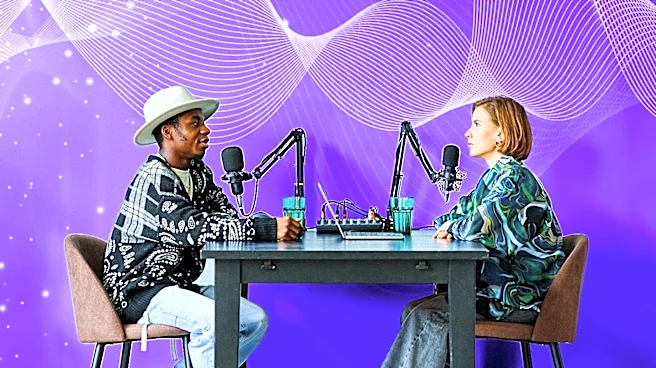
Eugene S. Robinson, known for 'The Eugene S. Robinson Show Stomper!', is actively seeking viewer questions for his 'Ask Euge' segment. This initiative comes as Robinson continues his recovery, which has involved intensive speech therapy, occupational
therapy, acupuncture, and neurorehabilitation. The 'Ask Euge' segment allows him to engage with his audience by answering questions, with a recent installment addressing a viewer's query about memorable interviews. The Robinson family has expressed gratitude for the support received through a GoFundMe campaign, which helps cover recovery expenses.
Why It's Important?
This effort is important as it highlights Robinson's resilience and commitment to his audience during a challenging recovery period. By continuing his 'Ask Euge' segment, he maintains a connection with his 'Stomper faithful' and demonstrates the therapeutic and community-building power of direct engagement. The ongoing GoFundMe campaign and various direct support options (PayPal, Cash App, Venmo, Zelle) underscore the significant financial and emotional burden that long-term recovery can place on individuals and families, and the vital role of community support in such circumstances. This initiative also provides a platform for his audience to contribute to his well-being.
What's Next?
The call for viewer questions indicates that 'Ask Euge' will continue to be a regular feature, providing ongoing content for Robinson's platform. The family's continued efforts to raise funds suggest that the recovery process is still underway and requires sustained support. Future segments will likely feature more viewer questions, offering insights into Robinson's perspectives on various topics. The emphasis on direct communication channels for personal messages also suggests a desire to foster a strong, supportive community around his work and recovery journey.
Beyond the Headlines
This story delves into the personal and professional challenges faced by public figures during health crises and the role of community in supporting recovery. It illustrates how individuals can adapt their work to accommodate personal circumstances, maintaining engagement and productivity even while undergoing rehabilitation. The transparency about his recovery and the direct appeal for viewer interaction and financial support also highlight a modern approach to public figure-audience relationships, where personal vulnerability can foster deeper connections and collective action. It underscores the human element behind public personas and the importance of empathy and solidarity.