



What's Happening?
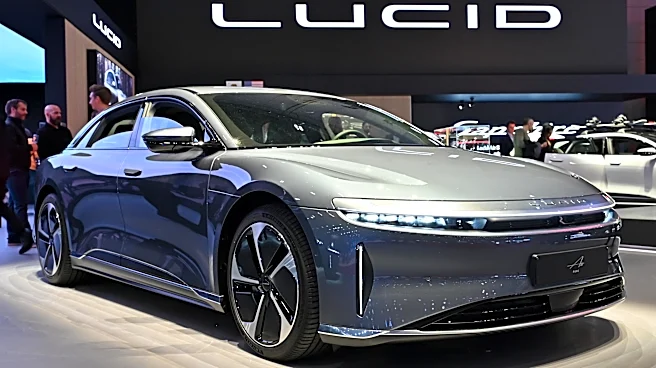
Lucid Group (NASDAQ:LCID) shares recently saw a significant 12% increase, trading at $3.38. This surge is part of a broader post-election rally in risk assets, particularly impacting smaller electric vehicle (EV) manufacturers. The gains for Lucid come
just ahead of its upcoming quarterly report. Similarly, Rivian Automotive (NASDAQ:RIVN) stock also climbed 6% to $14.04, continuing a positive trend initiated by its recent earnings report and the success of its R2 SUV. In contrast, Tesla (NASDAQ:TSLA) stock experienced a 3% decline, trading at $388.52, as investors consider the implications of the election results for CEO Elon Musk's various ventures, including artificial intelligence initiatives. Nio (NYSE:NIO), primarily operating in China, also saw a 4% increase, indicating a general risk-on market sentiment rather than specific U.S. policy impacts. The market's reaction follows Democrats securing majorities in the House and Senate, alongside shifts in governorships across key states.
Why It's Important?
The post-election market movements highlight a divergence within the U.S. electric vehicle sector. The rally in Lucid and Rivian suggests that investors are showing increased appetite for risk, favoring smaller, more volatile companies in a shifting political landscape. This could signal a potential re-evaluation of growth prospects for emerging EV players, especially if new legislative priorities or economic conditions are perceived to be more favorable to them. Conversely, Tesla's decline indicates investor concern regarding the potential impact of the new political environment on its broader business interests, particularly in AI and other tech ventures led by Elon Musk. The performance of these companies reflects broader market sentiment regarding the future of EV adoption and technological innovation in the U.S., with implications for investment strategies and competitive dynamics within the automotive industry. The stabilization of U.S. EV demand, as reported by Bloomberg, also plays a role, as dealers work through excess inventory, potentially creating a more stable environment for sales.
What's Next?
Investors are keenly awaiting Lucid's upcoming Q3 report, which is expected to provide insights into the effectiveness of its cash flow improvement plan. Key areas of focus will include any progress in its robotaxi testing and the industrialization of its manufacturing plant in Saudi Arabia. For Rivian, the focus remains on achieving a positive automotive gross margin exit rate for the year, with the R2 model being central to this goal. The company's Georgia plant, backed by significant Department of Energy loan financing, is crucial for its growth strategy, though its future capital sources are subject to conditions. For Tesla, the implications of Texas policy on its AI build-out, particularly concerning its Cybercab robotaxi fleet in Austin, will be closely watched. The broader market will also observe how the new political landscape in Washington D.C. influences legislation related to AI and technology, which could create hurdles for companies like SpaceX and Tesla, as noted by industry analysts.
Beyond the Headlines
The differing market reactions among EV manufacturers post-election could signal a deeper shift in investor confidence and strategic positioning within the industry. While smaller players like Lucid and Rivian benefit from a 'risk-on' environment, the challenges faced by Tesla may reflect concerns about regulatory scrutiny or policy shifts impacting large tech and AI-driven companies. This could lead to a more diversified investment landscape within the EV sector, where capital flows are distributed more broadly rather than concentrated in a few dominant players. Furthermore, the reliance of Lucid on capital from its largest shareholder, a Saudi Arabian related party, highlights the global nature of EV investment and the geopolitical influences on domestic industries. The ongoing legal challenges, such as Lucid's pending securities fraud lawsuit, also underscore the inherent risks and complexities in rapidly evolving high-growth sectors, potentially influencing investor caution despite broader market rallies.