



What's Happening?
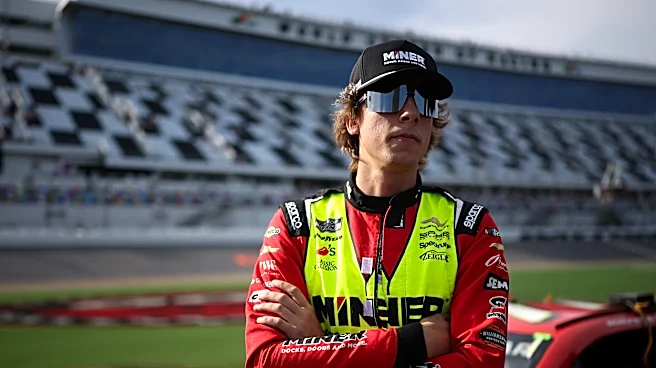
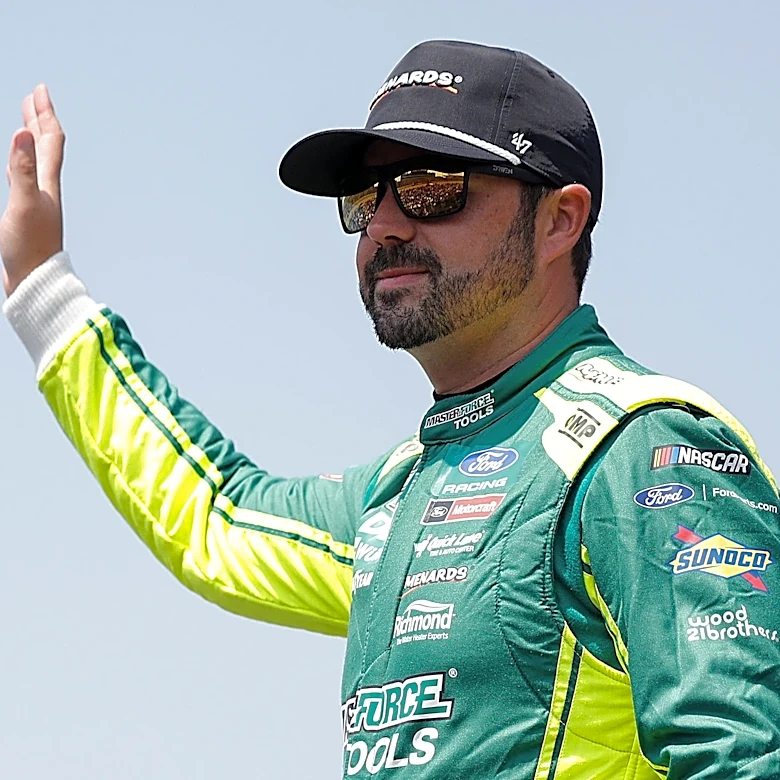
NASCAR driver Carson Hocevar experienced a significant surge in merchandise sales, approaching $200,000 in 24 hours, following a unique promotion tied to his performance at the Southern 500. Hocevar offered fans a 29% discount on his online souvenir shop.
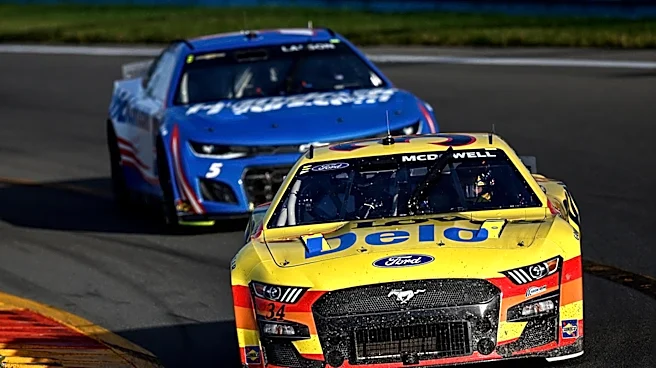
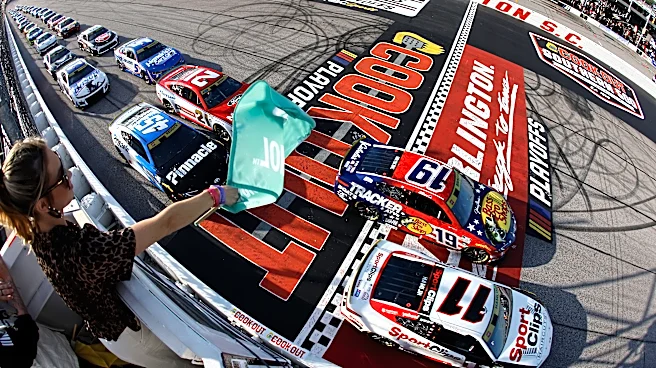
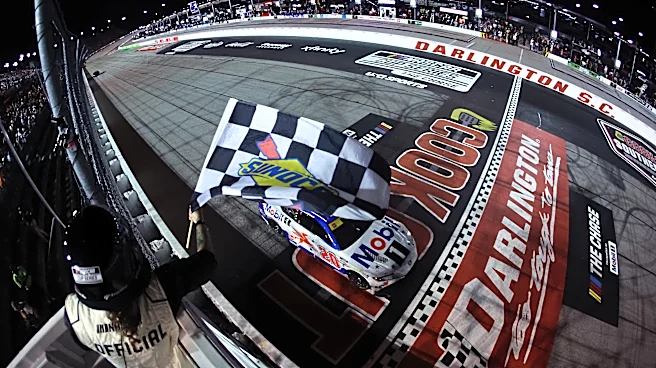
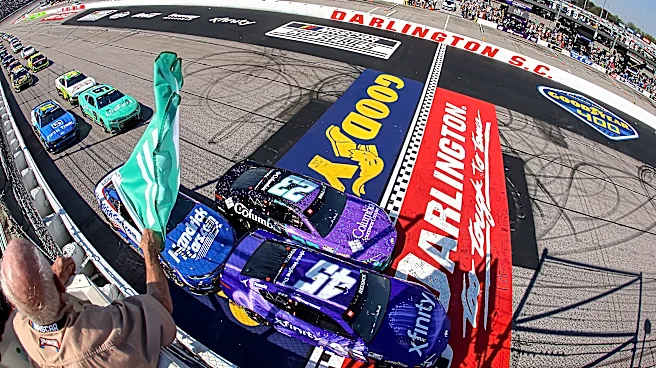
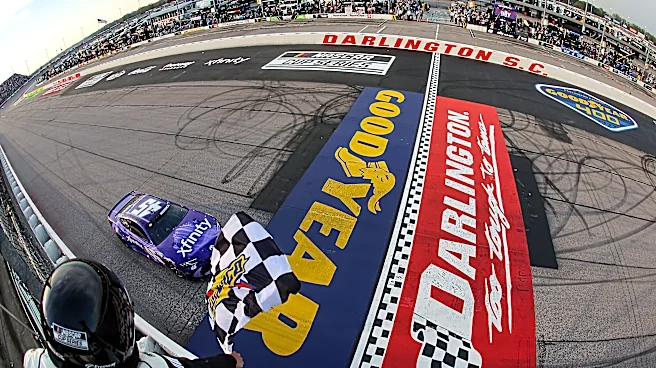
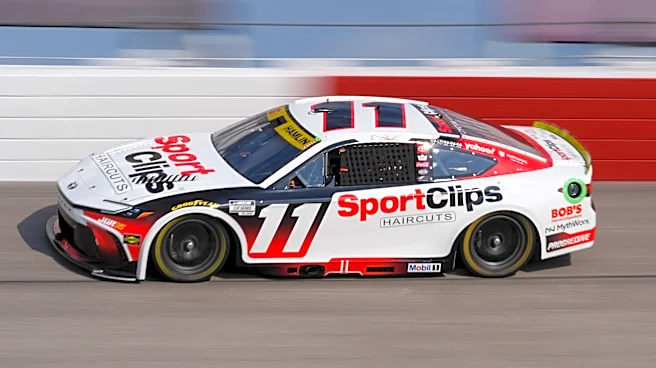
This discount was calculated based on his race performance: 23 percentage points for the 23 positions he gained during the Southern 500, and an additional six percentage points for a notable on-track incident with Brad Keselowski. Hocevar started 34th due to qualifying cancellation and finished 11th, moving up 23 spots. This unconventional approach to engaging fans and marketing his brand has garnered considerable attention within the NASCAR community.
Why It's Important?
This event highlights an innovative and effective marketing strategy within professional sports, particularly NASCAR. By directly linking merchandise discounts to on-track performance and even controversial incidents, Hocevar has demonstrated a new way for athletes to engage with their fan base and monetize their public persona. This approach not only drives sales but also increases fan engagement by giving them a direct stake in the driver's race-day outcomes. For other athletes and sports organizations, this could serve as a case study for creative fan interaction and revenue generation, moving beyond traditional sponsorship models. It also underscores the growing importance of social media and direct-to-consumer marketing in sports.
What's Next?
The success of Hocevar's promotion may lead other NASCAR drivers and potentially athletes in other sports to adopt similar performance-based marketing strategies. This could create a new trend in sports merchandising, where fan discounts and promotions are dynamically linked to in-game or in-race events. We might see more personalized and interactive fan engagement campaigns emerge, as athletes look to replicate Hocevar's success. Additionally, this could prompt discussions within NASCAR and other leagues about the balance between promoting individual athlete brands and maintaining the integrity of the sport, especially when incidents on the track are monetized.
Beyond the Headlines
Beyond the immediate financial success, this incident reflects a broader shift in how public figures, especially athletes, manage their personal brands in the digital age. Hocevar's willingness to lean into his 'unpredictable personality' and even controversial moments for marketing purposes suggests a more authentic and less curated approach to celebrity. This could resonate deeply with younger fan demographics who value transparency and direct engagement. It also raises questions about the evolving nature of sports entertainment, where the narrative surrounding a driver, including their personality and on-track rivalries, becomes as much a part of the product as the race itself. This blurs the lines between sport, entertainment, and personal branding.