
What's Happening?
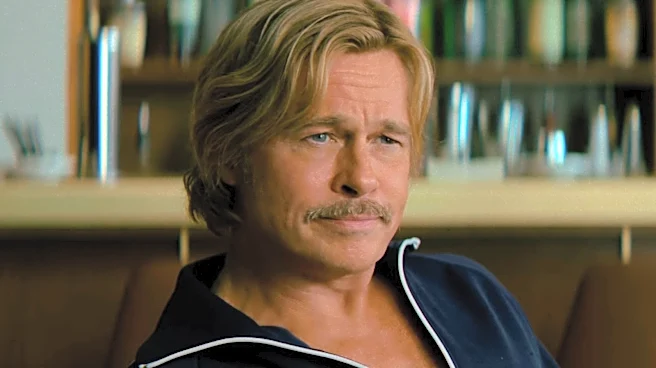
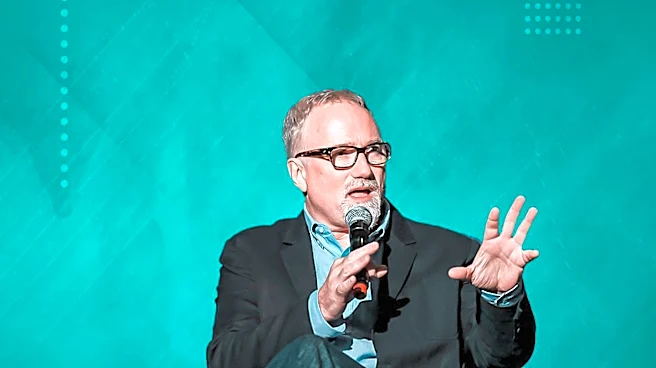
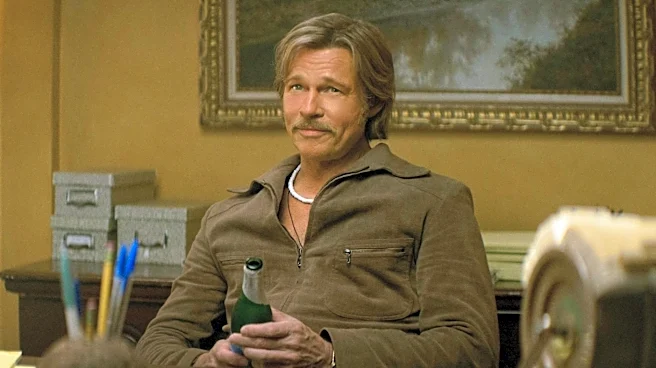
Director David Fincher has publicly defended his use of artificial intelligence (AI) in his new film, 'The Further Mis-Adventures of Cliff Booth.' The movie, a sequel to Quentin Tarantino's 'Once Upon a Time in Hollywood,' has faced significant backlash
from moviegoers who claim it features extensive and overt use of generative AI. According to Just Jared, critics on platforms like X have described the AI integration as 'astounding to an absurd degree' and 'blatant and egregious.' Fincher, an Oscar-nominated director, addressed these criticisms in an interview with the Los Angeles Times, stating, 'I’m not a Luddite, so I don’t fear the unknown.' He questioned the notion that the film industry should cease technological advancements, comparing it to stopping painting after 40,000 years. Fincher emphasized that AI tools, such as the ability to change eye color, exist, and therefore, the question should be whether they should be utilized. The film is set to premiere in IMAX theaters globally on November 25 for a two-week exclusive engagement before its Netflix release on December 23.
Why It's Important?
David Fincher's defense of AI in filmmaking highlights a growing debate within the entertainment industry regarding the adoption of new technologies. This controversy underscores the tension between traditional filmmaking methods and the potential efficiencies and creative possibilities offered by AI. For U.S. industries, particularly Hollywood, the widespread integration of AI could lead to significant shifts in production pipelines, job roles, and creative processes. While AI might streamline certain aspects of post-production or visual effects, it also raises concerns among artists and technicians about job displacement and the perceived dilution of artistic integrity. The reception of 'The Further Mis-Adventures of Cliff Booth' could serve as a bellwether for how audiences and critics will react to AI-generated content in mainstream cinema, potentially influencing future investment and development in AI tools for film production. The debate also touches upon intellectual property rights and the ethical implications of using AI to generate or alter creative works, impacting legal frameworks and industry standards.
What's Next?
The upcoming release of 'The Further Mis-Adventures of Cliff Booth' in IMAX theaters on November 25, followed by its Netflix debut on December 23, will provide a broader platform for public and critical assessment of its AI integration. The film's performance and the ongoing discourse surrounding its use of generative AI are likely to influence future discussions within the Directors Guild of America, the Screen Actors Guild, and other industry bodies regarding guidelines and regulations for AI in filmmaking. Major studios and streaming platforms will closely monitor audience reception and critical reviews to gauge the commercial viability and artistic acceptance of AI-enhanced productions. This could lead to increased investment in AI research and development for entertainment, or conversely, a more cautious approach if the backlash proves significant. The debate is also expected to fuel further conversations about the future of creative jobs in Hollywood and the need for new skill sets among film professionals.
Beyond the Headlines
The controversy surrounding David Fincher's film extends beyond mere technological adoption; it delves into fundamental questions about the nature of art and authorship in the age of artificial intelligence. The criticism that AI use is 'blatant and egregious' suggests a perceived lack of authenticity or human touch, which could challenge traditional notions of cinematic craftsmanship. This development could trigger a broader cultural conversation about the value of human creativity versus algorithmic generation, potentially influencing how audiences perceive and engage with various forms of media. Legally, the increased use of AI in film could lead to complex intellectual property disputes, particularly concerning the originality of AI-generated elements and the rights of creators whose work might be used to train AI models. Ethically, the debate raises questions about transparency in filmmaking—should audiences be informed when AI is used extensively? These deeper implications could reshape industry practices, consumer expectations, and the very definition of artistic expression in the digital era.