








What's Happening?
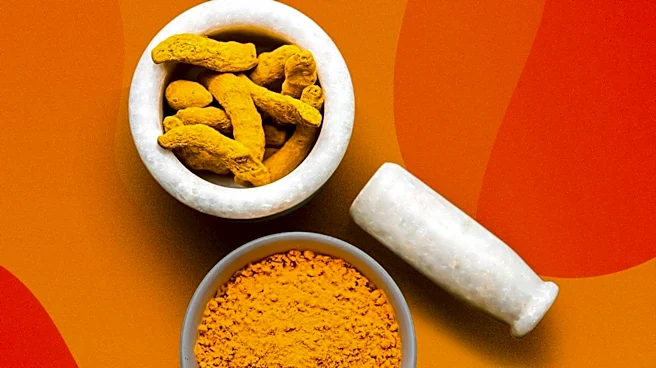
A recent review in Pharmaceutics redefines curcumin, a compound in turmeric, as a molecular synergy amplifier in cancer therapy rather than a standalone treatment. The review highlights curcumin's potential to enhance the effectiveness of other cancer drugs
by targeting complementary pathways and overcoming resistance mechanisms. However, challenges such as poor bioavailability and the need for precise pharmacokinetic synchronization remain. Nanotechnology-based delivery systems are being explored to address these issues, although most are still in preclinical stages. The review emphasizes curcumin's role as an adjunct in cancer treatment, rather than a replacement for conventional therapies.
Why It's Important?
The exploration of curcumin as a synergy amplifier in cancer therapy could lead to more effective treatment protocols by enhancing the efficacy of existing drugs. This approach may offer new hope for patients with resistant or aggressive cancers. The development of nanotechnology-based delivery systems could also advance the field of drug delivery, improving the precision and effectiveness of cancer treatments. As research progresses, curcumin's integration into cancer therapy could influence pharmaceutical strategies and patient care practices, potentially leading to more personalized and effective treatment options.