




What's Happening?
The field of interior design is experiencing a notable evolution in its approach to minimalism, moving away from the previously dominant 'cold minimalism' aesthetic. This shift, described as 'warm minimalism,' reinterprets the core principles of simplicity
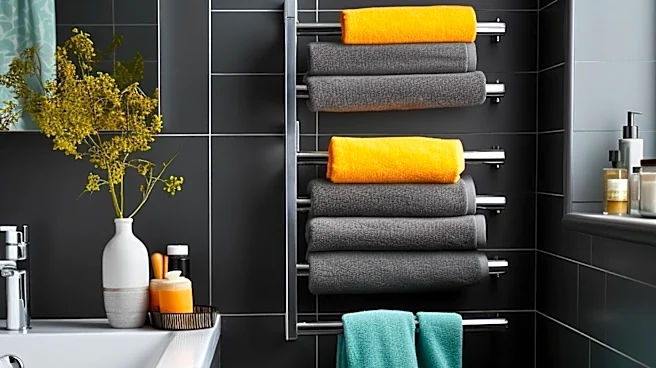
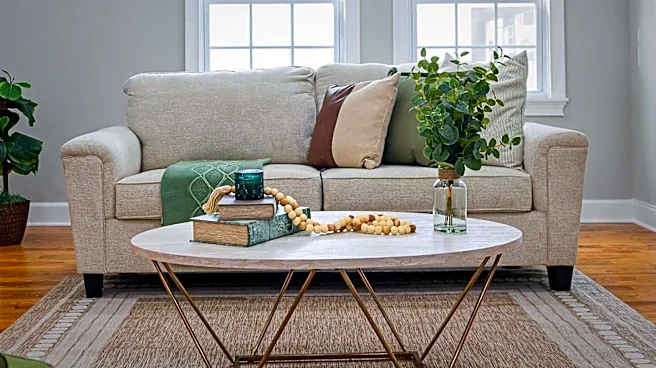
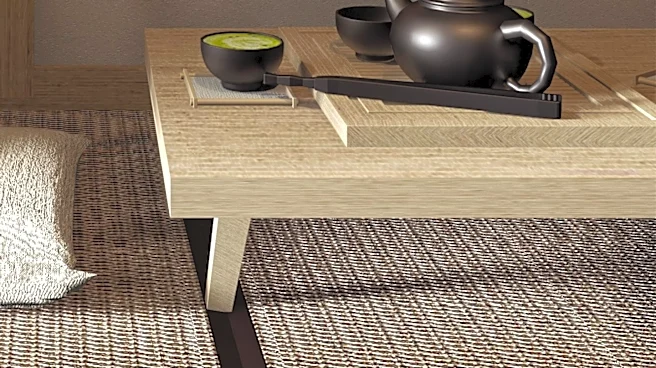
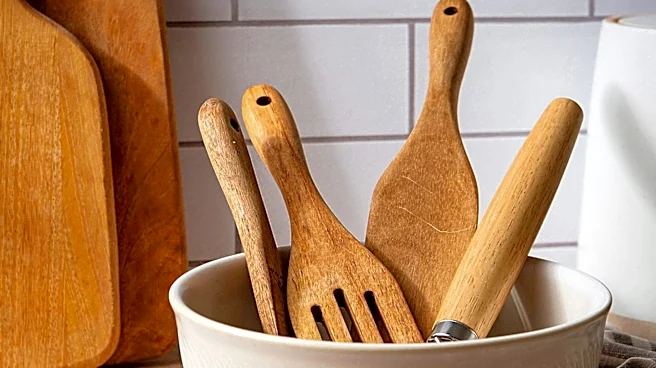
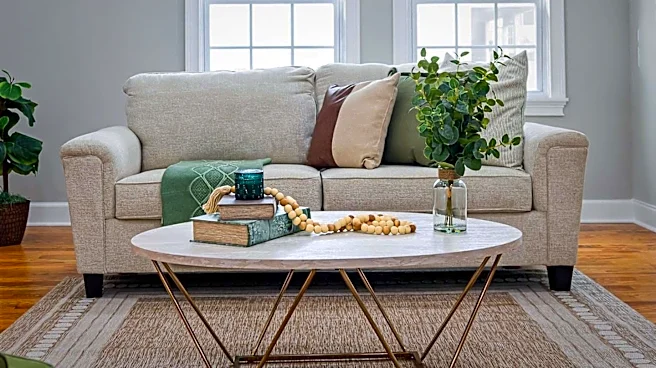
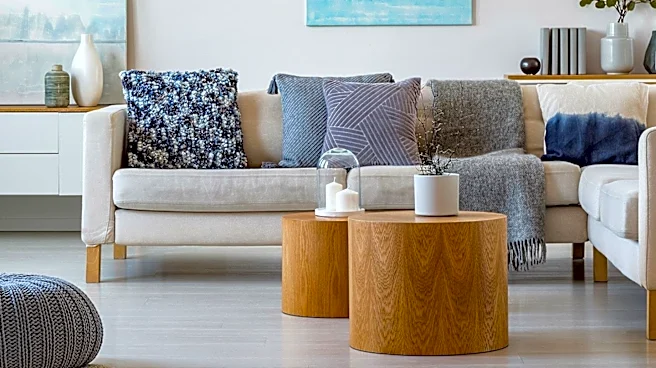
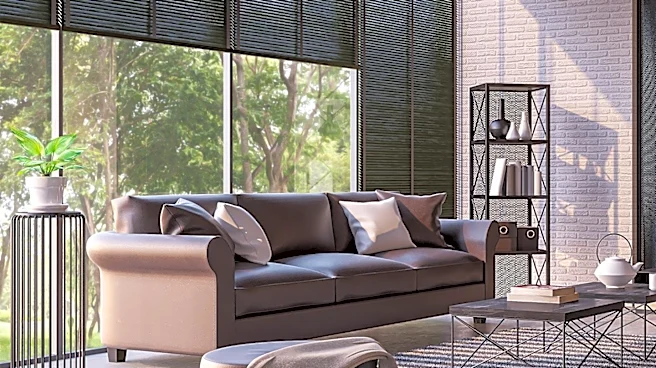
and order by integrating natural materials, warmer color palettes, varied textures, and a greater emphasis on comfort and personal expression. While traditional cold minimalism often featured stark white walls, limited furnishings, and cool neutral colors, the contemporary trend seeks to create spaces that are both visually disciplined and inviting. Designers are now focusing on how materials age and feel, incorporating elements like wood, stone, plaster, and textiles to add visual interest without clutter. This reinterpretation allows for clean architectural lines and restrained palettes to coexist with a sense of warmth and lived-in comfort, moving beyond the austere and sometimes clinical feel of older minimalist styles. The change reflects a broader understanding that a home should not only be orderly but also supportive of everyday life and personal well-being.
Why It's Important?
This shift in minimalist design is important as it reflects changing consumer preferences and a deeper understanding of the psychological impact of living spaces. For the U.S. interior design and home furnishings industries, this trend signifies a demand for products that blend functionality with comfort and authenticity. Manufacturers and retailers may need to adapt their offerings to include more natural materials, warmer color schemes, and items that allow for personalization. This could lead to increased innovation in sustainable and tactile materials, as well as a focus on craftsmanship over mass-produced, sterile items. For consumers, the rise of warm minimalism offers an opportunity to create homes that are both aesthetically pleasing and genuinely comfortable, potentially reducing stress and enhancing well-being. It also encourages a more sustainable approach to decor, as meaningful personal objects and durable materials are prioritized over transient trends, impacting consumer spending habits and product longevity.
What's Next?
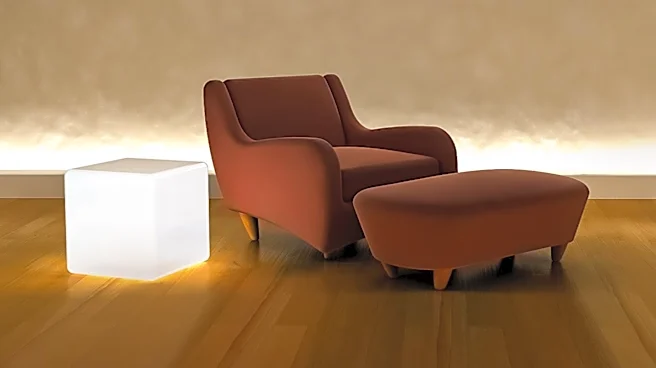
The trajectory of warm minimalism suggests a continued integration of natural elements and personalized touches into home design. We can anticipate an increase in the availability of furniture and decor made from sustainable, tactile materials such as light oak, polished concrete, and various textiles. Lighting design will likely evolve further, with a greater emphasis on layered and atmospheric illumination rather than solely functional overhead lighting. The market may see more products that allow for modularity and smart integration, enabling users to customize their environments to suit evolving needs and preferences. Designers will continue to explore how to balance simplicity with comfort, potentially leading to new design philosophies that further humanize minimalist spaces. This trend is also expected to influence architectural practices, with a focus on creating structures that inherently offer warmth and connection to nature, moving beyond purely functional or stark aesthetics.
Beyond the Headlines
The evolution of minimalism from 'cold' to 'warm' carries deeper cultural and psychological implications. It suggests a societal yearning for authenticity and comfort in an increasingly fast-paced and digital world. The emphasis on natural materials and personal objects reflects a desire to reconnect with tangible experiences and individual identity, moving away from a purely consumerist mindset. Ethically, this shift promotes sustainability by valuing durable, high-quality items and encouraging the integration of existing personal belongings, thereby reducing waste and fostering a more mindful consumption pattern. Culturally, it signifies a maturation of the minimalist movement, demonstrating that simplicity does not equate to austerity but can encompass richness, texture, and emotional resonance. This redefinition of minimalism could influence broader lifestyle choices, encouraging individuals to curate their lives with greater intentionality, prioritizing well-being and meaningful connections over excessive material accumulation.