


What's Happening?
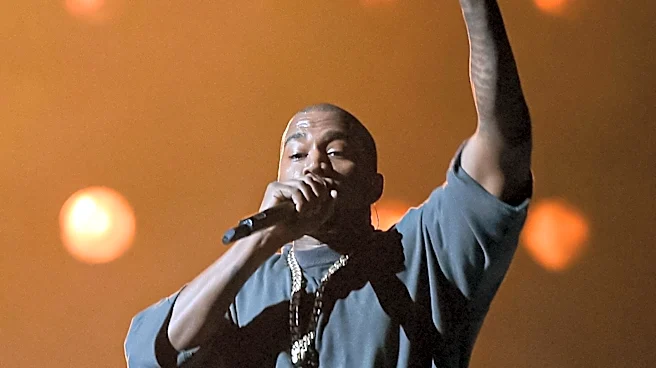
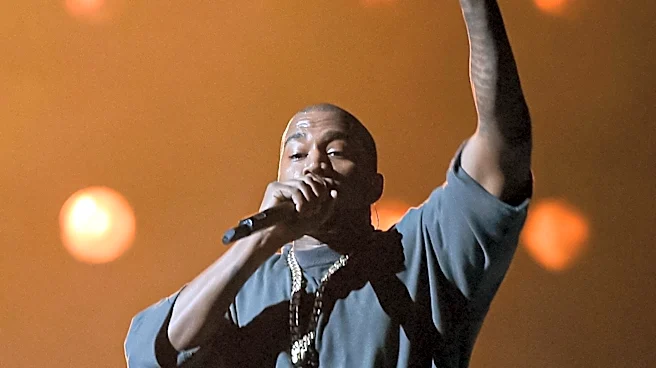
Kanye West, who has legally changed his name to Ye, recently set a new record for the most-attended rap concert in U.S. history. The event, held at Dallas’ AT&T Stadium, drew an audience of 83,132 fans. This 40-song set featured guest appearances from
artists such as Kid Cudi, Erykah Badu, and Andre Troutman, and included many of West's well-known tracks like “Blood on the Leaves,” “Bound 2,” and “Fade.” According to a representative who confirmed the achievement to Variety, the concert generated over $18 million in a single night. This marks the second time West has broken his own record; he previously set it with over 74,000 attendees at Los Angeles’ SoFi Stadium in April, and then surpassed that with over 80,000 fans in Houston during Halloween. During these performances, West typically performs from atop an Earth-like half-orb stage.
Why It's Important?
This achievement underscores Kanye West's enduring appeal and significant drawing power within the U.S. music industry, despite past controversies. Breaking his own attendance record twice in a short period highlights a strong fan base willing to support his live performances, translating into substantial economic impact through ticket sales and associated revenue. For the music industry, it demonstrates the continued viability of large-scale stadium concerts for major artists, even in an evolving entertainment landscape. The financial success of the Dallas concert, grossing over $18 million, illustrates the lucrative nature of such events and their contribution to local economies through tourism and hospitality. This trend could influence how other major artists plan their tours and the scale of venues they target, potentially leading to more large-capacity events across the country.
What's Next?
Following this record-breaking performance, it is likely that Kanye West will continue to leverage his significant fan base for future large-scale events. The success of these concerts could encourage him to plan more stadium tours, potentially expanding his reach to other major U.S. cities. The high revenue generated from a single show might also influence his business strategies, possibly leading to further ventures in live entertainment or related merchandise. For the broader music industry, the success of these massive concerts could prompt other artists and promoters to invest in similar large-capacity events, aiming to replicate the financial and attendance achievements. This could lead to a competitive environment for securing major venues and attracting large audiences, potentially reshaping the landscape of live music in the U.S.
Beyond the Headlines
Kanye West's ability to consistently draw massive crowds, despite a history of controversial statements and public apologies regarding antisemitic behavior, raises deeper questions about celebrity, public forgiveness, and the separation of art from artist in contemporary culture. His previous apologies, including a full-page ad in the Wall Street Journal and a statement in Hebrew, were followed by further controversial actions, yet his concerts continue to be highly attended and financially successful. This phenomenon highlights a complex dynamic where a significant portion of the public appears willing to overlook or compartmentalize an artist's personal conduct in favor of their artistic output. It also points to the power of spectacle and performance in maintaining an artist's relevance and commercial viability, even when facing widespread criticism. This ongoing narrative could influence discussions around accountability, cancel culture, and the boundaries of artistic expression in the public sphere.