




What's Happening?
Meal prepping involves preparing larger quantities of food or meal components in advance, typically on a weekend, and then freezing them for consumption throughout the week. This method aims to reduce reliance on takeout, minimize food waste, and lower
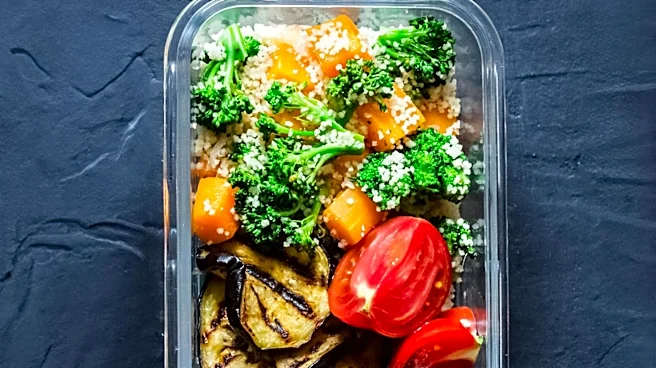
overall food expenses. The process includes cooking items like soups, stews, pasta sauces, cooked grains, and marinated meats in bulk. These prepared meals are then portioned, labeled, and stored in freezer-safe containers or bags. The approach emphasizes practicality, allowing individuals to have home-cooked meals readily available on busy weeknights with minimal effort. It also encourages buying ingredients in larger quantities, which often results in lower per-serving costs. The strategy is presented as accessible for beginners, requiring basic kitchen equipment and a few hours of dedicated time.
Why It's Important?
Meal prepping offers significant financial and time-saving benefits for U.S. households. By reducing the frequency of takeout orders, which are typically more expensive, individuals can substantially cut down on their weekly food budget. The practice of batch cooking and freezing prevents food waste, ensuring that purchased groceries are consumed rather than spoiled. This is particularly relevant in an economic climate where food costs are a concern for many families. Furthermore, having pre-made meals can alleviate decision fatigue and stress associated with daily meal planning, promoting healthier eating habits by making nutritious options more convenient than fast food. This method supports a more organized and budget-conscious approach to household food management, impacting both personal finances and overall well-being.
What's Next?
As awareness of cost-effective and healthy eating grows, meal prepping is likely to continue gaining traction as a popular household strategy. We can anticipate an increase in resources such as specialized meal prep recipes, online communities, and kitchen tools designed to facilitate the process. Food bloggers and nutritionists may further develop and share innovative meal prep plans, catering to various dietary needs and preferences, including specific seasonal plans like fall-themed meal prep. The trend could also influence the food industry, potentially leading to more readily available bulk ingredients or pre-portioned meal prep kits from grocery stores, simplifying the initial steps for new adopters. Educational content focusing on efficient cooking techniques and freezer storage best practices will also likely expand to support this growing interest.
Beyond the Headlines
The rise of meal prepping reflects broader societal shifts towards greater efficiency, financial prudence, and health consciousness in daily life. Beyond its immediate benefits, meal prepping can foster a deeper connection to food preparation and consumption, encouraging individuals to understand the nutritional content of their meals and reduce reliance on processed foods. It also highlights a cultural move towards proactive planning in personal routines, mirroring trends seen in other areas like fitness and personal finance. Ethically, it contributes to reducing food waste, a significant environmental concern, by ensuring that food resources are utilized effectively. This practice could also influence family dynamics, promoting shared cooking responsibilities and providing more structured meal times, thereby enhancing overall household organization and potentially improving dietary quality across different demographics.