







What's Happening?
Marmalade Cafe, a Southern California restaurant chain known for its brunch offerings, filed for Chapter 11 bankruptcy protection on September 2. The Encino-based chain's chief executive, Juan Salcedo, reported estimated assets and liabilities between
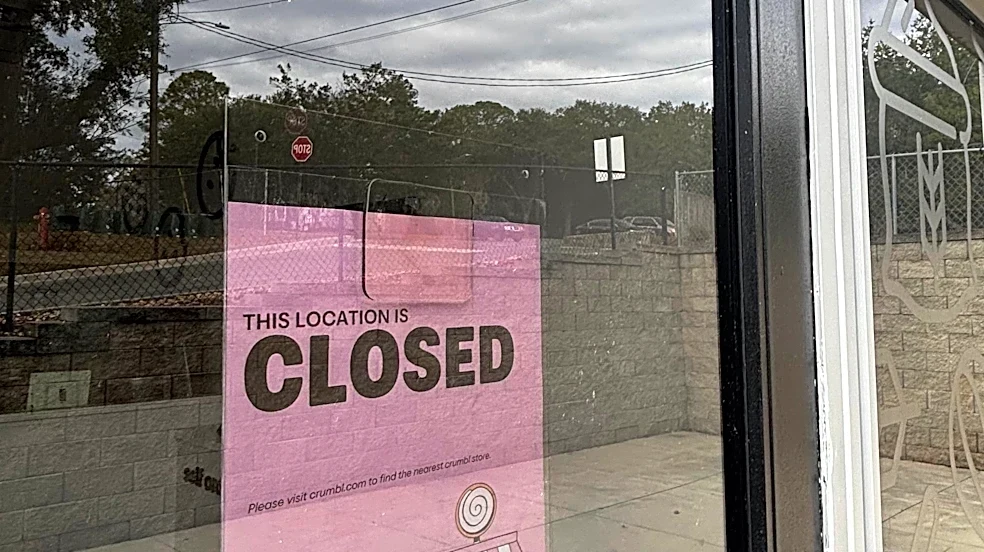
$1 million and $10 million, with over $1 million owed to creditors including Gilmore Farmers Market, US Foods, and the California Department of Tax and Fee Administration. At the time of the filing, Marmalade Cafe operated four locations in El Segundo, Malibu, Sherman Oaks, and Westlake Village. Lindsay Arnold, the chain’s director of operations, indicated that significant losses at its Calabasas location were the primary cause for the bankruptcy. Construction at the Commons at Calabasas led to a $50,000 monthly sales reduction, while the location incurred nearly $80,000 in monthly rent. The construction also eliminated crucial parking, severely impacting the breakfast and lunch business. The Calabasas location closed in July after the landlord refused rent relief. Other contributing factors included losses from last year’s Palisades fire, which forced the closure of its Santa Monica location, and the earlier closure of its Original Farmers Market location due to post-pandemic recovery struggles.
Why It's Important?
Marmalade Cafe's bankruptcy filing underscores the severe challenges facing the restaurant industry in California, particularly from external factors like urban development and post-pandemic economic shifts. The case highlights how construction projects, while beneficial in the long term, can create immediate and insurmountable financial pressures for local businesses, especially those reliant on accessibility and quick customer turnover. The landlord's refusal to offer rent relief during a period of significant disruption also points to the precarious position many tenants face in commercial real estate agreements. This situation could set a precedent or at least serve as a cautionary tale for other businesses operating in areas undergoing significant development. The chain's struggles also reflect broader economic trends affecting the food service sector, including increased operating costs, changing consumer habits, and the lingering effects of the pandemic, making it difficult for even established businesses to maintain profitability.
What's Next?
Despite the Chapter 11 filing, Marmalade Cafe plans to continue operating its four remaining locations, which Director of Operations Lindsay Arnold described as “very healthy and very strong.” The bankruptcy proceedings will likely involve a restructuring of the company's debts and operations to ensure the viability of these remaining establishments. The chain will need to negotiate with creditors and potentially implement new business strategies to stabilize its financial position. This situation may also prompt other businesses in similar circumstances to re-evaluate their lease agreements and contingency plans for unexpected disruptions like prolonged construction. The outcome of Marmalade Cafe's restructuring will be closely watched by other independent restaurant operators and commercial landlords in California, as it could influence future business practices and landlord-tenant negotiations in the region.
Beyond the Headlines
The bankruptcy of Marmalade Cafe reveals deeper systemic issues within the urban commercial landscape and the restaurant industry. It highlights the vulnerability of small to medium-sized businesses to large-scale urban development projects, where the economic benefits of revitalization often do not trickle down to existing local enterprises during the construction phase. This case also brings to light the often-unbalanced power dynamics between commercial landlords and tenants, particularly concerning rent relief during unforeseen crises. Ethically, it raises questions about the responsibility of developers and property owners to support local businesses that contribute to the character and economy of an area during periods of disruption. Culturally, the loss of long-standing community establishments like Marmalade Cafe can diminish local identity and consumer choice, contributing to a more homogenized commercial environment. This event could spur discussions on policy interventions, such as temporary tax relief or mediation services, to protect local businesses during extensive urban development.