





What's Happening?
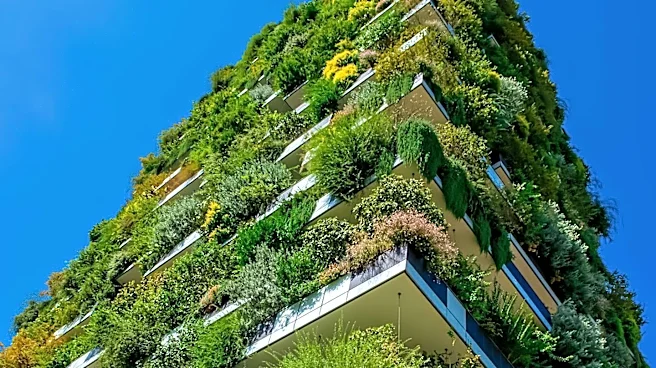
Biophilic design is revolutionizing modern residential architecture by fostering a deliberate connection between buildings and the natural environment. This approach moves beyond mere aesthetics, incorporating elements like natural daylight, vegetation,
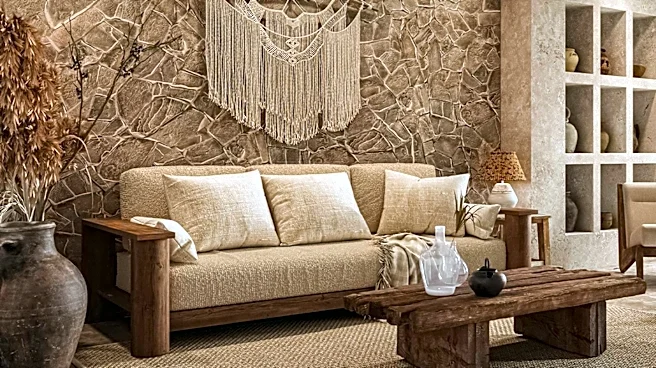
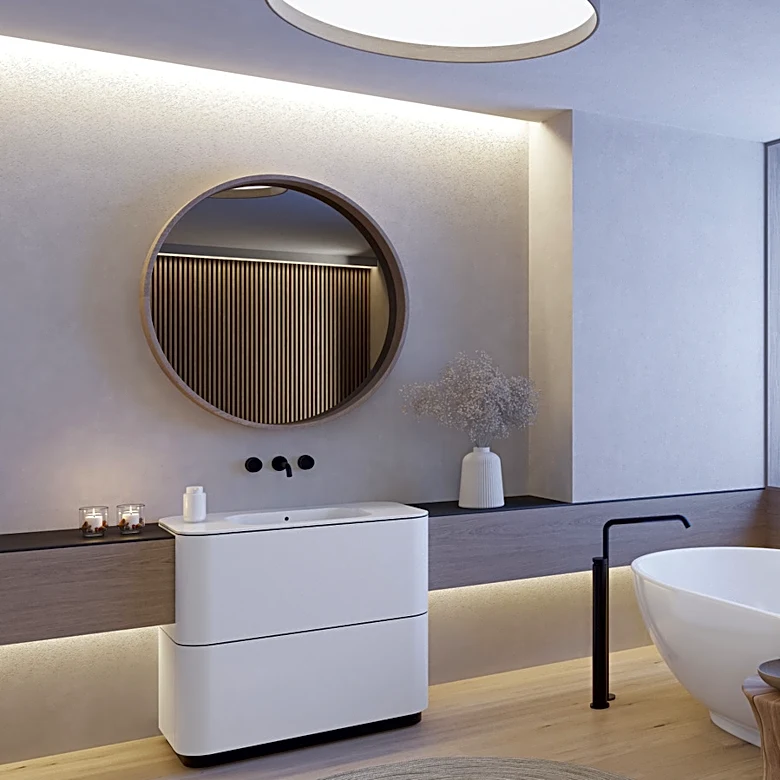
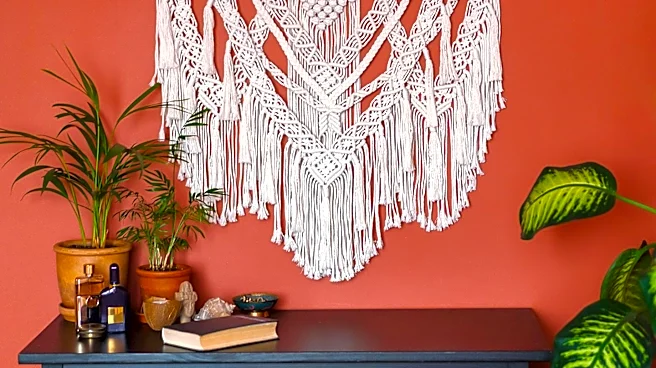
organic materials, and outdoor views into living spaces. The core principle of biophilic design is rooted in biophilia, the innate human tendency to seek connections with living systems. Architects are increasingly designing homes that integrate these natural elements to create comfortable, functional, and environmentally responsive spaces. This includes strategic window placement for optimal daylight, the use of natural materials such as timber and stone, and the incorporation of indoor plants and outdoor connections. While it can involve significant architectural modifications, even simple additions like indoor plants can contribute to a biophilic environment. The goal is to create homes that enhance well-being and provide a stronger connection to nature, especially as urbanization leads to more indoor living.
Why It's Important?
The integration of biophilic design in residential architecture holds significant importance for the well-being of occupants and the broader environmental impact. Scientific evidence suggests that exposure to natural elements can improve well-being, reduce stress, lower anxiety levels, and enhance cognitive abilities. For individuals spending more time indoors, particularly with the rise of remote work, creating nature-connected living spaces can lead to psychological restoration and improved mood. This design philosophy also aligns with sustainable construction practices, as elements like natural ventilation and daylight optimization can reduce energy consumption. The shift towards biophilic homes reflects a growing societal demand for living environments that support both human health and ecological responsibility, potentially influencing future building codes and consumer preferences in the U.S. housing market.
What's Next?
The future of biophilic design in residential architecture is expected to involve more sophisticated and integrated approaches. This includes the development of climate-responsive building systems that automatically adjust shading and ventilation based on environmental conditions. Architects will also focus on integrating residential landscaping more seamlessly into building designs, considering factors like biodiversity and water consumption. Technologies that enhance the connection to nature, such as advanced smart-home controls that optimize natural light and airflow, are likely to become more prevalent. Furthermore, there will be an increased emphasis on the long-term maintenance of planted environments within and around homes. As consumer awareness of well-being and sustainability grows, biophilic design is poised to become a standard rather than a niche, driving innovation in materials, construction techniques, and urban planning to create healthier and more harmonious living spaces.
Beyond the Headlines
Beyond its immediate benefits, biophilic design signals a deeper cultural shift in how society perceives the relationship between humans and their built environment. It challenges the traditional separation of nature and architecture, advocating for a symbiotic relationship that acknowledges our evolutionary need for natural connections. This approach has ethical implications, promoting a more responsible and holistic view of development that prioritizes human health and ecological balance. Legally, this could lead to new regulations or incentives for developers to incorporate biophilic principles, especially in dense urban areas where access to nature is limited. Culturally, it could foster a greater appreciation for natural aesthetics and sustainable living, influencing design trends beyond residential spaces to public infrastructure and urban planning, ultimately reshaping our cities to be more livable and restorative.