








What's Happening?
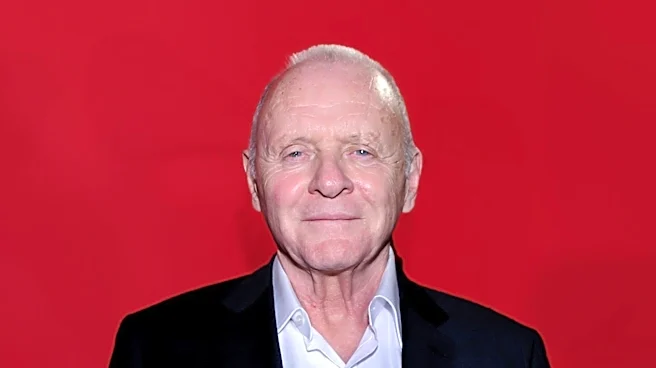
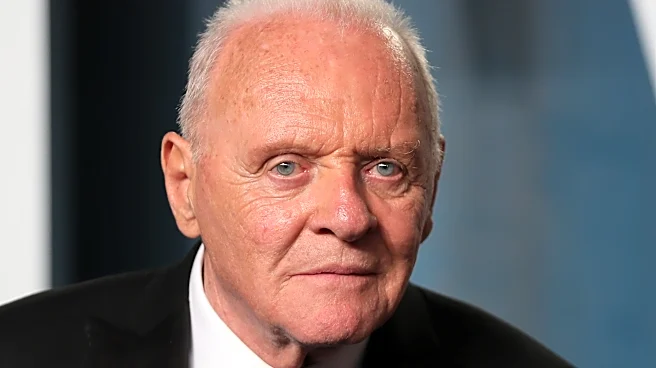
At the age of 88, Anthony Hopkins, a two-time Oscar-winning actor, has ventured into the world of music composition with the release of his first single, 'Bracken Road.' This single is part of an album titled 'Life is a Dream,' which features a collection
of orchestral works composed by Hopkins over more than six decades. The album is set to be released by Decca Classics. Hopkins, who began playing the piano at the age of four, has been composing music throughout his life, even as his acting career flourished. The album, performed by the Philharmonia Orchestra and conducted by Grammy Award-winning Gustavo Dudamel, was recorded at Alexandra Palace in London. Hopkins' compositions are inspired by his family, his Welsh heritage, and his extensive life experiences.
Why It's Important?
Anthony Hopkins' foray into music composition highlights the versatility and enduring creativity of artists, even in their later years. His transition from acting to music underscores the potential for lifelong artistic exploration and the breaking of traditional career boundaries. This development may inspire other artists to pursue their passions beyond their established fields, promoting a culture of continuous learning and creativity. Additionally, Hopkins' work with renowned conductor Gustavo Dudamel and the Philharmonia Orchestra brings significant attention to the classical music scene, potentially attracting new audiences and fostering appreciation for orchestral music.
What's Next?
The album 'Life is a Dream' is scheduled for release on August 21. As anticipation builds, music enthusiasts and fans of Anthony Hopkins will likely be eager to experience his compositions. The collaboration with Gustavo Dudamel and the Philharmonia Orchestra may lead to further performances or recordings, expanding the reach of Hopkins' music. The release could also spark discussions about the intersection of acting and music, and how artists can successfully navigate multiple creative disciplines.
Beyond the Headlines
Anthony Hopkins' entry into music composition at an advanced age challenges societal perceptions of aging and creativity. It emphasizes that artistic expression is not confined by age, and that individuals can continue to contribute meaningfully to the arts throughout their lives. This move may encourage older adults to pursue their creative interests, fostering a more inclusive and diverse artistic community. Furthermore, Hopkins' compositions, rooted in personal and cultural experiences, offer a unique narrative that enriches the cultural tapestry and provides insight into his personal journey.