


What's Happening?
Luxury fashion brands are increasingly transforming beauty products into wearable accessories, moving beyond traditional cosmetics to create items that serve as both functional and fashionable statements. This trend, which gained momentum with Rhode's
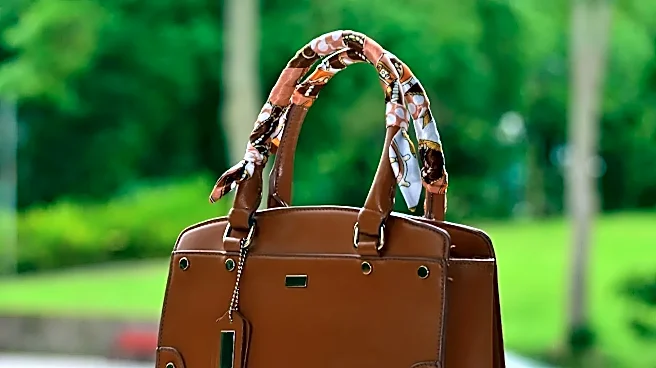
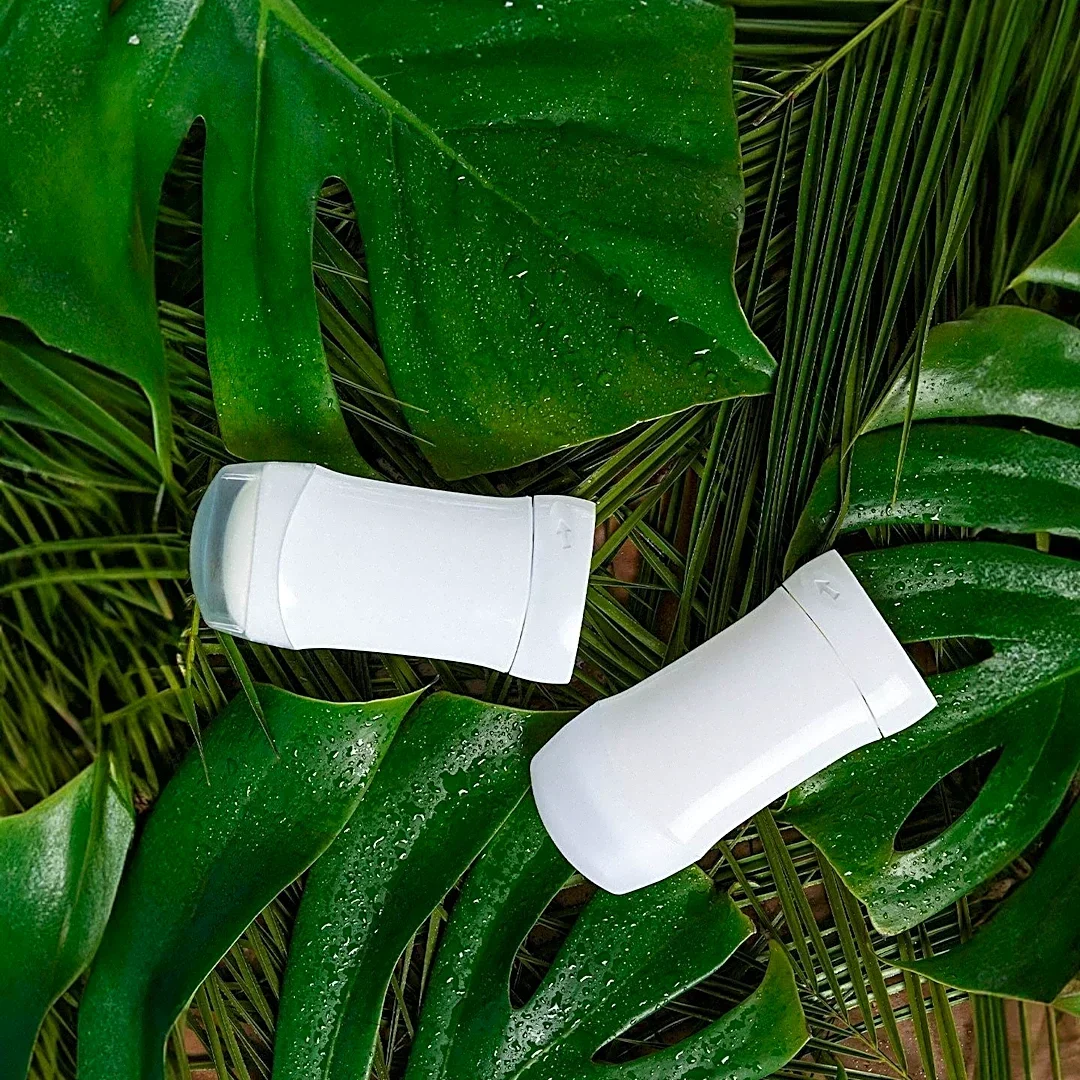
viral lip gloss phone case in 2024, sees brands like Dior and Balenciaga launching products such as lip glosses that double as phone grips and mini fragrance bottle bag charms. These items are often priced significantly higher than their conventional beauty counterparts, with Dior's Medallion lip balm selling for $95 and Balenciaga's fragrance charms for $490, despite the latter containing no actual fragrance. The phenomenon is driven by social media, where consumers publicly display their brand loyalties, turning private beauty routines into public expressions of style. This has led to a surge in demand for branded beauty merchandise, with even mass-market brands like ColourPop and Fenty Beauty collaborating on similar accessory lines.
Why It's Important?
This trend signifies a strategic shift in the luxury and beauty industries, blurring the lines between fashion and cosmetics. For brands, it represents a new avenue for revenue generation and brand extension, allowing them to tap into consumer desires for 'whimsy' and self-expression. The high price points of these accessories, even for items without functional beauty components, underscore the power of brand perception and the willingness of consumers to pay a premium for visible luxury. This approach also enhances brand visibility and fosters a sense of community among consumers who publicly display their allegiance to specific brands. However, it also raises questions about consumer value, as some accessories, like Balenciaga's fragrance charms, offer no practical beauty utility despite their high cost. The success of these products indicates a strong market for experiential and status-driven consumption, influencing how both luxury and mass-market brands approach product development and marketing.
What's Next?
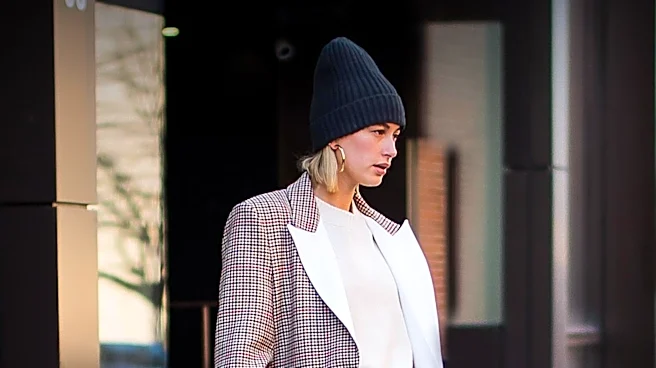
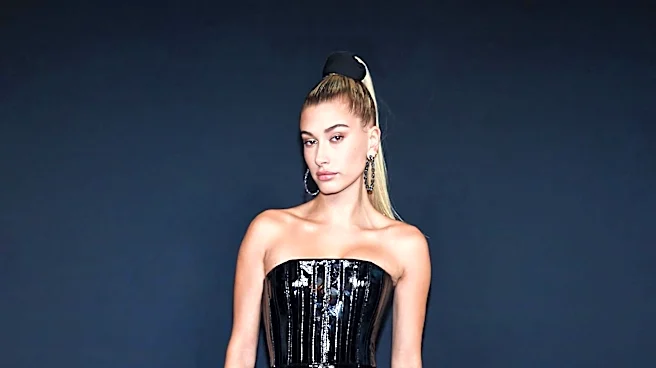
The integration of beauty products into wearable accessories is likely to continue expanding across the fashion and beauty sectors. Brands will probably explore more innovative ways to combine utility with fashion, potentially leading to new categories of hybrid products. We can anticipate further collaborations between beauty brands and accessory companies, similar to Fenty Beauty's partnership with Casetify, to create a wider range of branded wearable tech and beauty items. The secondary market for these accessories, as seen with Rhode's sold-out items fetching higher prices on platforms like Mercari and Poshmark, is also expected to grow, indicating sustained consumer interest. However, brands will need to navigate potential consumer backlash regarding perceived 'overconsumption' and the value proposition of these high-priced, sometimes non-functional, accessories, as experienced by Rhode's founder Hailey Bieber.
Beyond the Headlines
The rise of beauty products as wearable accessories reflects a deeper cultural shift towards hyper-personalization and the commodification of identity in the digital age. Social media platforms have transformed personal routines into public performances, where every item, including a lip gloss or phone case, becomes a statement of personal brand and affiliation. This trend highlights the increasing importance of visual branding and the desire for tangible symbols of belonging in an increasingly digital world. It also underscores the ethical considerations surrounding consumerism, particularly when brands promote 'overconsumption' through non-essential, high-priced accessories. The phenomenon challenges traditional notions of luxury, where value was often tied to craftsmanship and utility, by emphasizing brand recognition and social signaling as primary drivers of purchase decisions. This could lead to a re-evaluation of what constitutes 'luxury' and 'value' in the modern consumer landscape.