


What's Happening?
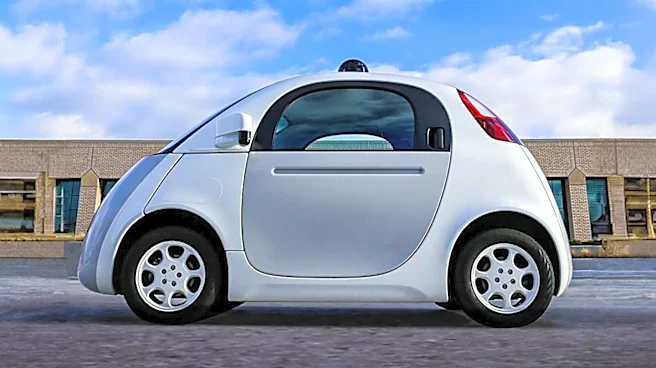
Amazon's Zoox has received U.S. approval for the commercial deployment of its autonomous robotaxis, which are designed without traditional human controls like steering wheels. This approval, granted by the National Highway Traffic Safety Administration
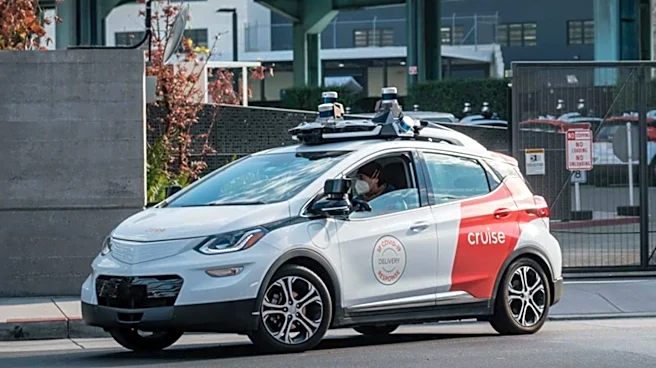
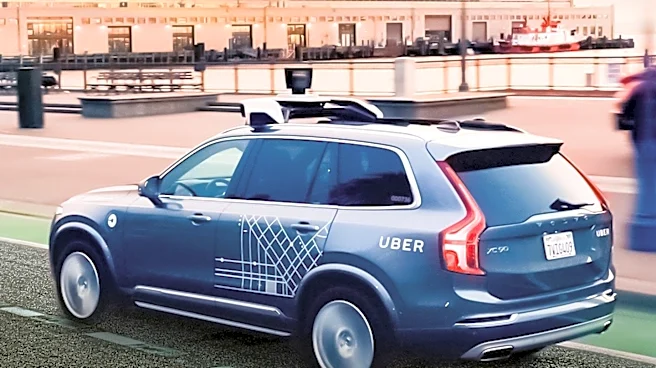
(NHTSA), allows Zoox to operate up to 2,500 vehicles annually over the next two years. The vehicles, which feature inward-facing seats and a top speed of 75 mph, are part of a broader push by companies like Tesla and Waymo to expand autonomous ride-hailing services. The NHTSA has imposed additional reporting requirements on Zoox to monitor safety issues, such as inappropriate stopping or crashes. Zoox's vehicles are currently being tested in Las Vegas and San Francisco, and the exemption will enable the company to charge passengers, pending local approvals.
Why It's Important?
The approval of Zoox's robotaxis marks a significant milestone in the autonomous vehicle industry, highlighting a shift towards more innovative transportation solutions. This development could accelerate the adoption of self-driving technology, potentially reducing the need for human drivers and reshaping urban mobility. However, it also raises safety concerns, as regulators must ensure these vehicles operate safely without human intervention. The decision could influence regulatory frameworks for other companies in the autonomous vehicle sector, impacting how quickly these technologies are integrated into everyday life. The move also underscores the competitive landscape among tech giants like Amazon, Tesla, and Alphabet in the race to dominate the autonomous vehicle market.
What's Next?
Zoox will need to comply with NHTSA's reporting requirements and demonstrate the safety of its vehicles in real-world conditions. The company must also navigate state and local regulations to begin charging passengers. As the technology is deployed, public and regulatory scrutiny will likely increase, especially if safety issues arise. The NHTSA plans to develop federal safety standards for automated driving systems, which could further shape the industry's future. Zoox's success or failure in this venture could influence public perception and regulatory approaches to autonomous vehicles.