






What's Happening?
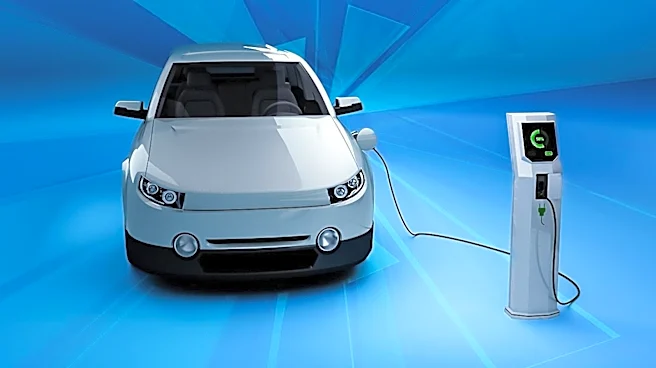
Volvo has announced the discontinuation of its EX30 electric SUV in the U.S. market after the 2026 model year. The decision comes as a result of market conditions and financial factors, including the high cost of importing vehicles from Europe and the elimination
of the federal EV tax credit. The EX30, which was expected to be one of the most affordable electric SUVs in the U.S., will no longer be available, impacting Volvo's lineup of electric vehicles. Despite this, Volvo continues to develop its electric vehicle offerings, with the EX60, based on the SPA3 platform, now available. The EX60 is Volvo's longest-range and most technologically advanced EV to date, with a starting price of $58,400.
Why It's Important?
The discontinuation of the EX30 highlights the challenges automakers face in the U.S. electric vehicle market, particularly regarding pricing and regulatory changes. The removal of the federal EV tax credit has made it difficult for companies like Volvo to maintain competitive pricing. This move could affect consumer choices and the overall adoption rate of electric vehicles in the U.S. market. Additionally, it underscores the importance of local manufacturing to mitigate import costs and adapt to changing market conditions. Volvo's continued focus on hybrid and plug-in hybrid models suggests a strategic pivot to balance its offerings amid these challenges.
What's Next?
Volvo is expected to continue its efforts in the electric vehicle market by introducing new models, including a midsize electric sedan and wagon, which are anticipated to arrive in the second half of 2028. These vehicles will be built in Europe and are part of Volvo's strategy to expand its electric vehicle lineup. The company will likely focus on enhancing its hybrid and plug-in hybrid options in the U.S. market to maintain its presence and appeal to a broader range of consumers. The automotive industry will be watching closely to see how Volvo navigates these market dynamics and regulatory changes.