


What's Happening?
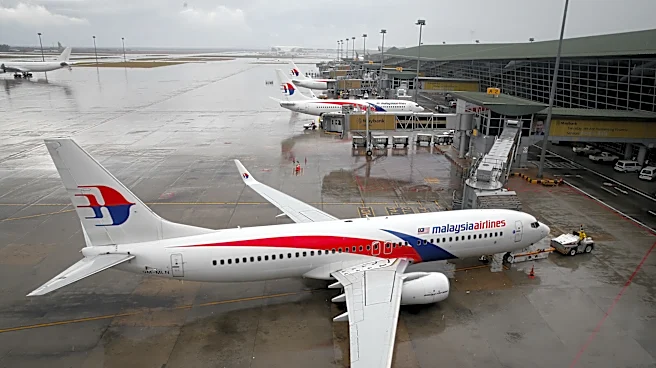
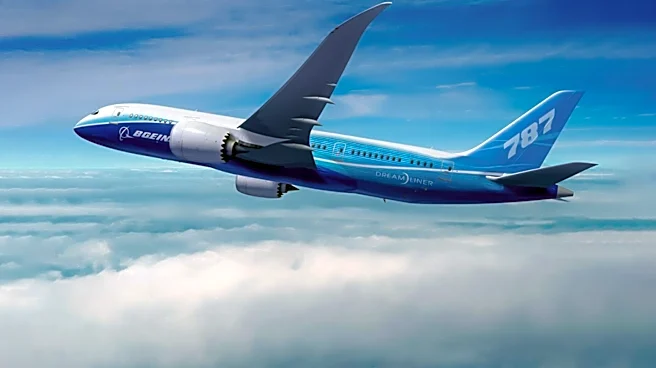
Boeing and Malaysia Aviation Group (MAG) have announced MAG's first-ever order for the 787 Dreamliner, specifically selecting the 787-10 variant. The commitment includes a purchase of 10 aircraft, with an option to acquire six more, aimed at modernizing
Malaysia Airlines' long-haul fleet and supporting its international expansion. Malaysia Airlines plans to deploy these 787-10s across its long-haul network, connecting Malaysia with Europe and various Asia-Pacific destinations. This move marks Malaysia Airlines' return to operating Boeing widebody aircraft, having previously utilized 747 and 777 jets. The 787-10 is designed to carry up to 375 passengers and offers 25% greater fuel efficiency compared to older models, which is expected to improve operating economics for the airline. Boeing also highlighted its long-standing presence in Malaysia, including Boeing Composites Malaysia, its first wholly-owned manufacturing facility in Southeast Asia, which produces composite products for all Boeing commercial airplane programs, including the 787 Dreamliner.
Why It's Important?
This order is significant for Boeing as it reinforces its market position in the rapidly growing Southeast Asian aviation sector. The region is projected to require nearly 5,000 new airplanes by 2045, including over 850 widebody jets, to meet increasing international travel demand. Securing this deal with Malaysia Aviation Group demonstrates Boeing's continued competitiveness in the widebody market and its ability to meet the modernization needs of major international carriers. For Malaysia Airlines, the acquisition of the 787 Dreamliner is a strategic investment that will enhance its capacity, efficiency, and flexibility on key international routes, improving the passenger experience with modern cabin features. This partnership also underscores Boeing's commitment to investing in Malaysia's aviation future, supporting local aerospace capabilities through its manufacturing facility and various development initiatives, which contributes to economic opportunities and job creation in the region.
What's Next?
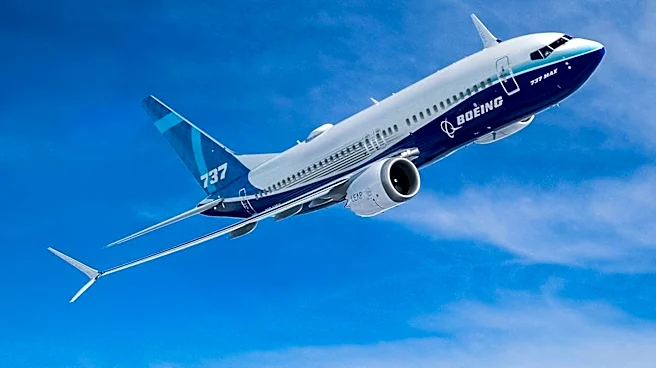
Following this commitment, the purchase of the 10 Boeing 787-10 airplanes, with the option for six more, will be finalized. Malaysia Airlines will then proceed with integrating these new aircraft into its fleet, which will complement its existing 737 fleet, including 737-8 and 737-10 airplanes already on order. This fleet expansion will enable Malaysia Airlines to increase its long-haul flight offerings and cater to the rising international travel demand in Southeast Asia. Boeing will continue to support Malaysia's aviation industry through its local manufacturing facility and ongoing initiatives in safety training, sustainability workshops, and supply chain development. The successful deployment of these Dreamliners could also influence other airlines in the region considering fleet modernizations, potentially leading to further orders for Boeing in the future.
Beyond the Headlines
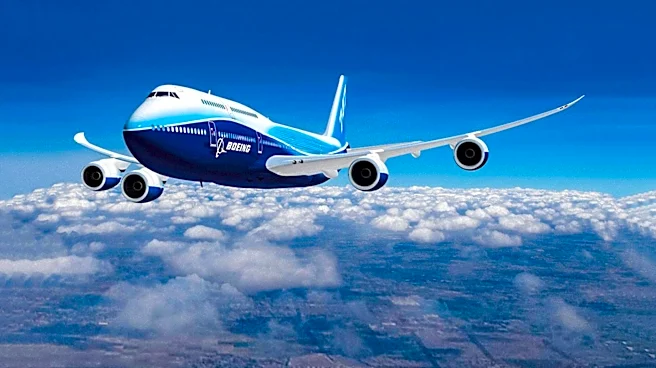
This deal extends beyond a simple aircraft transaction, reflecting broader trends in the global aviation industry, particularly the emphasis on fuel efficiency and passenger experience. The 787-10's advanced design and fuel efficiency align with increasing environmental concerns and airline efforts to reduce operational costs and carbon footprints. Furthermore, the return of Malaysia Airlines to Boeing widebody aircraft after previously operating 747 and 777 jets highlights the evolving preferences and strategic decisions of airlines in selecting aircraft that best fit their network and operational goals. Boeing's continued investment in its Malaysian manufacturing facility also signifies the growing importance of global supply chains and localized production in the aerospace industry, fostering international partnerships and technological transfer. This strategic alliance could also serve as a model for future collaborations between major aerospace manufacturers and national carriers in emerging markets.