





What's Happening?
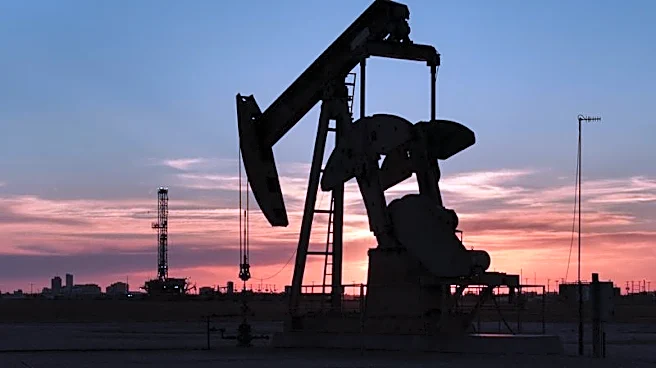
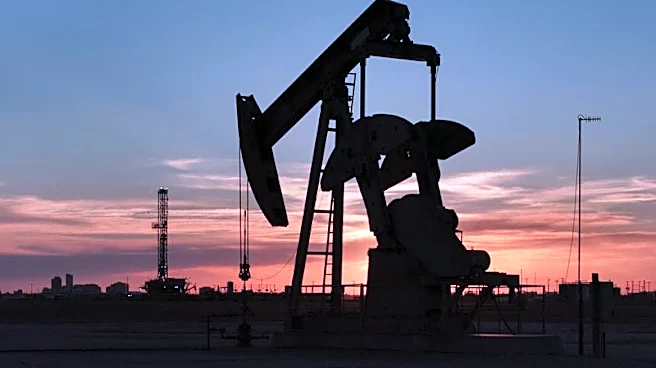
Oil prices have increased following the U.S. military's 'heavy wave' of strikes against Iran, which were in retaliation for Iranian missile attacks on American forces. Brent crude futures rose by 1.5% to $92.10 a barrel, while U.S. West Texas Intermediate
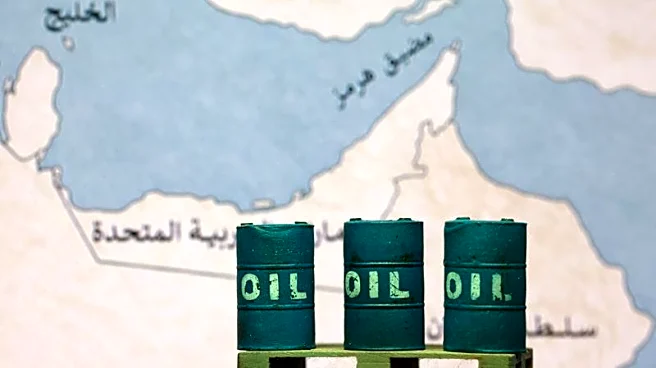
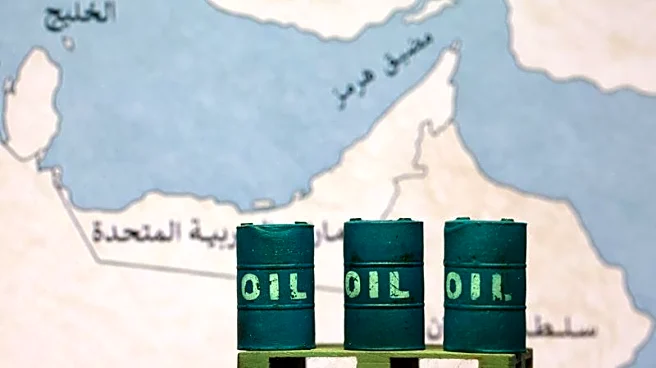
futures increased by 0.9% to $85.23 per barrel. The conflict has disrupted shipping through the Strait of Hormuz, a vital route for global oil supplies. The U.S. strikes targeted multiple sites in Iran, including military command centers and missile facilities.
Why It's Important?
The rise in oil prices reflects the market's sensitivity to geopolitical tensions, particularly in the Middle East, a key region for global energy supplies. The conflict between the U.S. and Iran poses risks to the stability of oil markets, with potential implications for global economic conditions. The disruption of shipping routes through the Strait of Hormuz could lead to further volatility in oil prices, affecting energy costs worldwide. The situation underscores the interconnectedness of geopolitical events and global economic stability.
What's Next?
Traders and analysts will be closely monitoring the upcoming OPEC+ meeting, where oil producers are expected to discuss supply adjustments. The outcome of this meeting could influence future oil prices and market stability. Meanwhile, the ongoing conflict between the U.S. and Iran may lead to further fluctuations in oil markets, depending on the scale and duration of military actions. The international community will be watching for any diplomatic efforts to de-escalate tensions and stabilize the region.