



What's Happening?
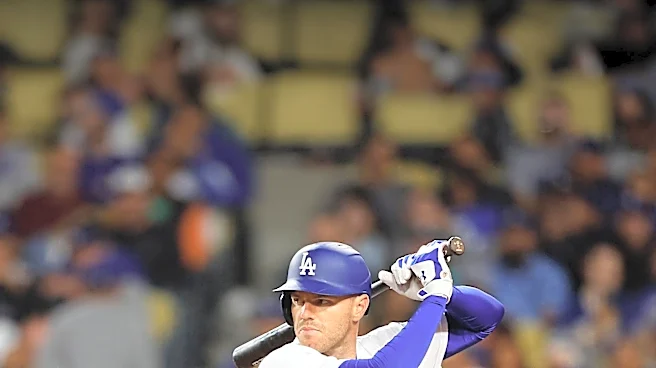
Los Angeles Dodgers first baseman Freddie Freeman has been battling right knee soreness, causing him to miss several games and experience a recent slump, going 3-for-30. Despite the ongoing issue, Freeman made a significant return to the lineup in a recent game against
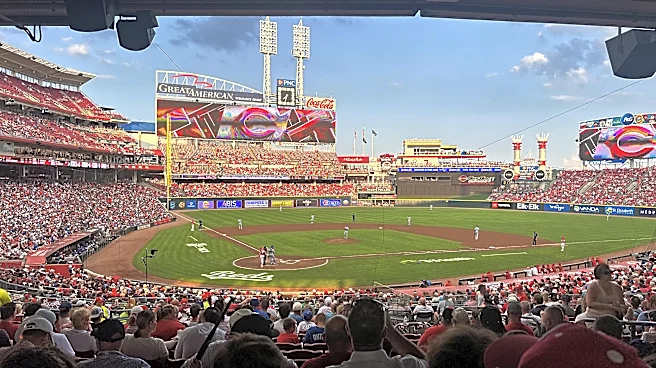
the Cincinnati Reds, delivering a 3-for-5 performance with three singles. This strong showing led manager Dave Roberts to note that Freeman 'looked more like Freddie.' Freeman attributed his improved performance to a temporary swing adjustment, focusing on getting his foot down earlier and catching the ball further out front, a change he hopes will be effective for the remainder of the season. This adjustment is not intended as a permanent solution but rather a short-term strategy to navigate his knee discomfort and contribute to the team's offensive needs as they approach the postseason. His return to form is crucial for the Dodgers, who are seeking consistent offensive production to complement their strong pitching rotation.
Why It's Important?
Freddie Freeman's ability to perform despite his knee soreness is critical for the Los Angeles Dodgers, particularly as they aim for a deep postseason run. As one of baseball's most consistent players, his offensive contributions are vital for a team that, despite having a top-tier pitching rotation, has been 'scrounging around for offense.' His recent slump, characterized by a lack of power and a .171 batting average in the month, highlighted the team's reliance on his consistent hitting. The temporary swing adjustment demonstrates a strategic effort to maintain his effectiveness, even if it means prioritizing contact over power for the short term. This approach underscores the high stakes of the late season and playoffs, where every hit and on-base opportunity can be decisive. The Dodgers need all their key players, including Freeman, to deliver timely hits, and his experience and skill make him a clear candidate to step up, influencing the team's overall performance and playoff aspirations.
What's Next?
Following his strong 3-for-5 performance, Freddie Freeman is expected to continue playing, having 'earned' his spot in the lineup for the next game, despite manager Dave Roberts' initial plans to rest him. Freeman's focus will be on maintaining his adjusted swing and managing his right knee patellar tendinitis to ensure he remains effective for the upcoming postseason. The Dodgers will likely continue to monitor his condition closely, potentially affording him occasional rest days to keep him as healthy as possible for October. The team's strategy appears to be a 'gambit,' prioritizing his presence in the lineup for the final weeks of the regular season over a more extended rest period, hoping his contributions outweigh the risks of aggravating his injury. The success of this approach will be determined by his sustained performance and health as the Dodgers push towards the playoffs, aiming to secure a first-round bye and ultimately contend for a championship.
Beyond the Headlines
Freddie Freeman's situation highlights the broader challenge faced by professional athletes in managing injuries while maintaining peak performance, especially during critical phases of the season. His willingness to make a temporary, non-sustainable swing adjustment to compensate for physical discomfort underscores the mental and strategic resilience required in elite sports. This 'gambit' by the Dodgers, keeping a key player with a nagging injury in the lineup, reflects the intense pressure to win and the calculated risks teams take to achieve their goals. It also raises questions about player welfare versus team objectives, and how much discomfort an athlete should play through. The narrative extends beyond individual statistics, touching upon the psychological aspect of playing through pain and the leadership role Freeman embodies by adapting his game for the team's immediate needs. This scenario could influence future discussions on injury management protocols and player load in professional baseball, particularly for veteran players nearing the end of their careers.