



What's Happening?
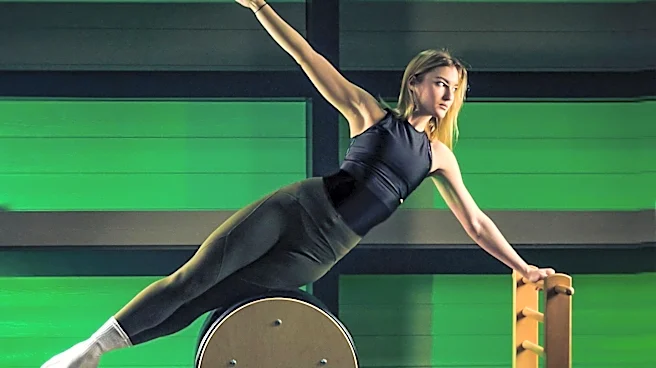
Reformer Pilates is emerging as a widely adopted full-body workout method, utilizing a specialized apparatus called a reformer. This equipment features a sliding carriage, adjustable springs, and resistance straps, which collectively facilitate strength
building, flexibility enhancement, and stability challenges, all while being gentle on the joints. Unlike traditional mat-based Pilates, the reformer introduces both resistance and support, allowing for customized tension levels that can be adjusted to suit an individual's strength and experience. This adaptability makes it suitable for a diverse range of participants, including women navigating perimenopause and menopause, individuals returning to exercise after a break or injury, and those seeking to improve strength and posture without relying on heavy gym equipment. The method is praised for its ability to strengthen the core and develop uniform, lean muscles through controlled, precise movements, making it an accessible option for physical therapy and injury recovery.
Why It's Important?
The growing popularity of Reformer Pilates signifies a shift in fitness trends towards more inclusive and adaptable exercise regimens. Its low-impact nature makes it particularly beneficial for demographics who may find high-impact workouts uncomfortable or unsustainable, such as older adults or those with joint issues. The emphasis on core strength and stability contributes to improved posture and spinal health, addressing common ailments associated with sedentary lifestyles. For women in perimenopause and menopause, it offers a crucial form of resistance training that supports bone health, muscle mass, and metabolism, counteracting the effects of declining estrogen. Furthermore, its application in physical therapy and injury recovery highlights its therapeutic value, providing a safe and effective pathway for rehabilitation and sustained physical well-being. This versatility positions Reformer Pilates as a significant contributor to public health, promoting long-term fitness and injury prevention across various age groups and fitness levels.
What's Next?
The continued expansion of Reformer Pilates studios and specialized classes is anticipated, with offerings tailored to specific needs such as prenatal Pilates or sports-specific training. Fitness centers and community organizations, like the YMCA, are likely to further integrate reformer programs into their schedules, making this form of exercise more accessible to a broader audience. Instructors may increasingly specialize in areas like sports-specific Reformer Pilates, catering to athletes seeking to enhance performance, mobility, and injury prevention in their respective sports. The development of workshops and masterclasses for instructors will also likely grow, ensuring a high standard of teaching and innovative programming. As awareness of its benefits spreads, more individuals are expected to incorporate Reformer Pilates into their regular fitness routines, driving further innovation in equipment design and class formats.
Beyond the Headlines
Beyond its immediate physical benefits, Reformer Pilates fosters a deeper connection between mind and body through its focus on breathwork, controlled movement, and concentration. This aspect contributes to stress reduction and improved mental well-being, offering a holistic approach to health that extends beyond physical conditioning. The method's adaptability also challenges conventional notions of fitness, demonstrating that effective strength training and physical development do not always require high-intensity or high-impact activities. It promotes a more mindful and sustainable approach to exercise, encouraging individuals to listen to their bodies and adapt workouts to their personal needs and limitations. This philosophical underpinning could influence broader fitness culture, encouraging a greater emphasis on longevity, injury prevention, and mental clarity in exercise practices.