



What's Happening?
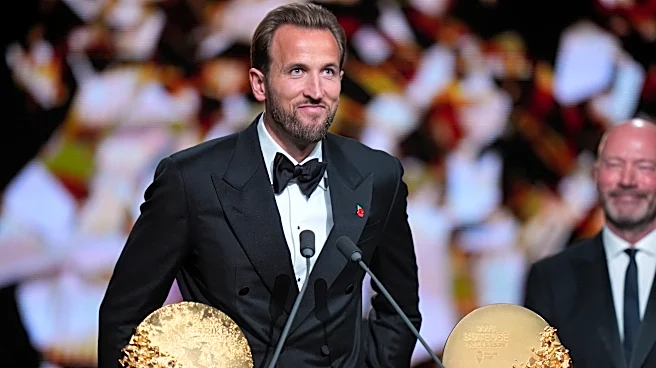
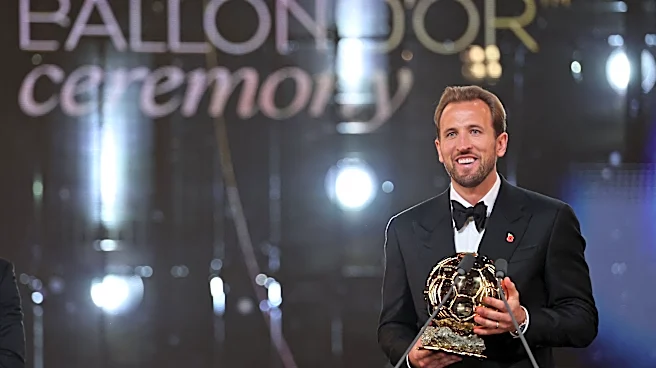
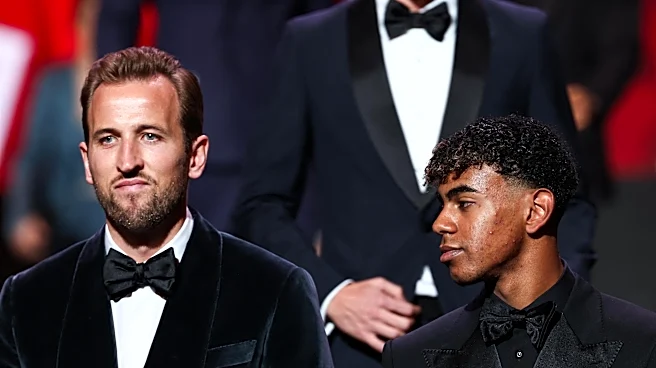
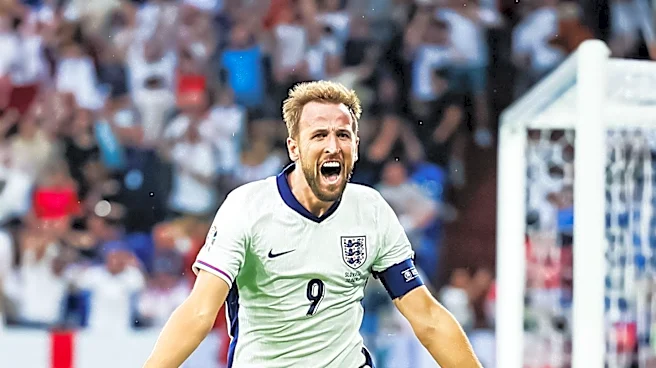
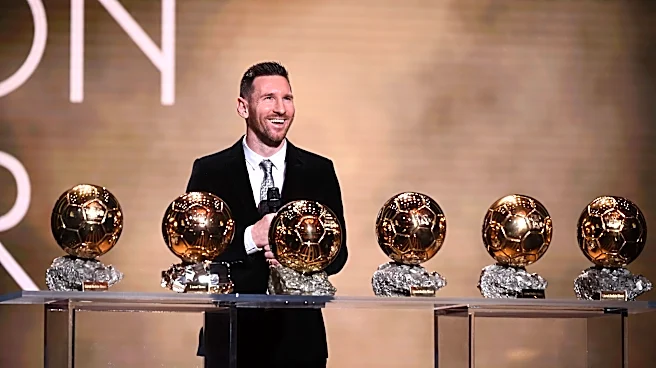
Harry Kane, the 33-year-old Bayern Munich striker, has been crowned the world's best player, winning the Ballon d'Or at a ceremony in London. This makes him the first English player to receive the award since Michael Owen in 2001. Kane is the fifth Englishman
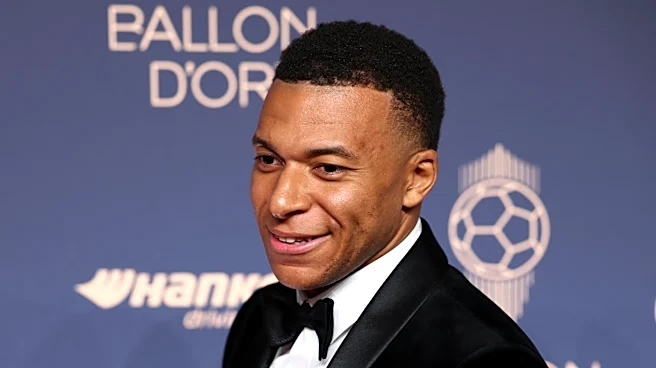
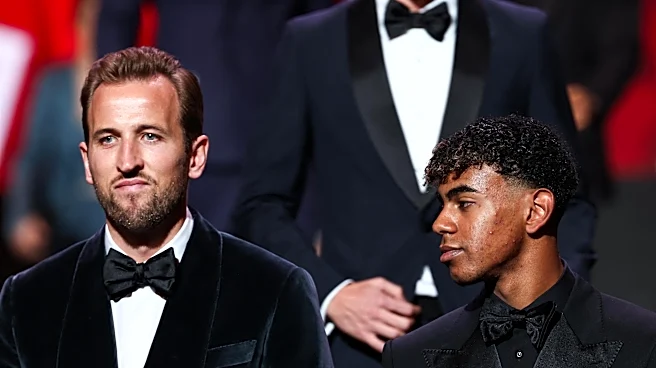
overall to win, joining Stanley Matthews (1956), Bobby Charlton (1966), and Kevin Keegan (1978 and 1979). Despite not winning major trophies like the World Cup or Champions League in the past season, Kane scored an impressive 61 goals in 51 club matches for Bayern Munich, the most by any Bayern player in a single campaign. Including his 12 goals for England, his total reached 73 goals in 65 matches. Real Madrid's Kylian Mbappé finished second, with Barcelona's Lamine Yamal in third.
Why It's Important?
Kane's Ballon d'Or win is a significant moment for English football, breaking a long drought for the prestigious individual award. It highlights the global recognition of his exceptional talent and consistent performance, even without major team silverware in the immediate past season. This achievement can inspire a new generation of English footballers and elevate the profile of English players on the international stage. For Bayern Munich, it marks the first time a player from their club has won the Ballon d'Or since Karl-Heinz Rummenigge in 1981, reinforcing the club's status as a home for world-class talent. The win also sparks debate about the criteria for the award, as Kane's individual brilliance was recognized despite a lack of major team trophies, challenging the traditional emphasis on collective success.
What's Next?
Following his Ballon d'Or win, Harry Kane will face increased scrutiny and expectations as he continues his career with Bayern Munich and the England national team. The focus will be on whether he can translate this individual success into major team trophies, particularly the Champions League with Bayern and international silverware with England. His performance will be closely watched, and his leadership will be crucial for both teams. The award could also influence his market value and endorsement opportunities. For English football, the win might lead to a renewed focus on developing individual talent capable of competing for such global accolades. The debate surrounding the award's criteria, especially regarding the balance between individual performance and team trophies, is likely to continue.
Beyond the Headlines
Kane's Ballon d'Or victory, achieved without winning the World Cup or Champions League in the preceding season, challenges the conventional narrative that major team trophies are a prerequisite for the award. This could signify a shift in how voters perceive individual brilliance versus collective achievement, potentially placing more emphasis on sheer statistical output and consistent high-level performance. It also underscores the mental fortitude required for a player like Kane, who has openly spoken about overcoming self-doubt and working hard throughout his career. His journey from a player not initially seen as a 'superstar' to a Ballon d'Or winner offers a powerful narrative of perseverance and dedication, resonating beyond the football pitch as an example of sustained effort leading to ultimate recognition.