



What's Happening?
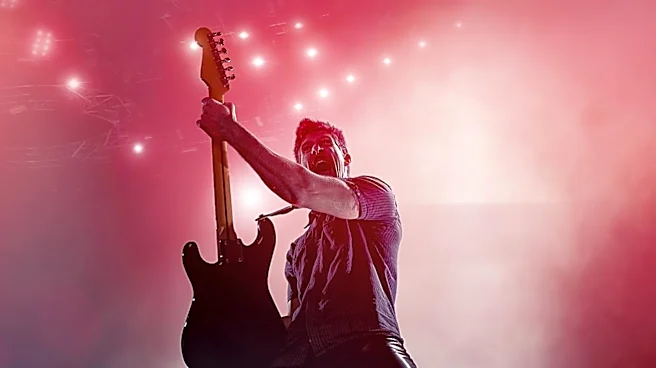
Pete Townshend, co-founder, guitarist, and principal songwriter for The Who, penned songs that remarkably foreshadowed future technological and societal developments. His 1972 single "Relay," originally part of the unfinished 'Lifehouse' rock opera, described
information moving "twice as fast as on any freeway" and warned about disinformation, predating the World Wide Web by approximately two decades. The lyrics, such as "Don't believe your eyes, They're seeing only lies," resonate with contemporary concerns about online information. Additionally, The Who's 1971 hit "Won't Get Fooled Again" features the memorable line, "Meet the new boss, same as the old boss," which addresses the recurring theme of power, revolution, and corruption. This song suggests that new leaders often repeat the mistakes of their predecessors, a cycle observed in historical events like the collapse of the Soviet Union and the Arab Spring.
Why It's Important?
Townshend's lyrical foresight highlights the enduring relevance of art in reflecting and anticipating societal shifts. The prediction of the World Wide Web in "Relay" underscores how artists can tap into nascent ideas and project their future impact, influencing public discourse on technology's role. The song's warning about disinformation remains particularly pertinent in an era dominated by digital information and the challenges of distinguishing truth from falsehood online. Furthermore, "Won't Get Fooled Again" offers a critical commentary on political cycles and the often-disappointing outcomes of revolutions. This theme resonates deeply in U.S. politics and global affairs, where hopes for transformative change are frequently met with familiar patterns of power dynamics and corruption. The song serves as a cultural touchstone for skepticism towards political promises and a reminder of the cyclical nature of human governance.
What's Next?
The continued relevance of Townshend's predictions suggests that these themes will likely remain central to contemporary discussions. As technology continues to evolve rapidly, the concerns raised in "Relay" about information flow and potential deception will only intensify, prompting ongoing debates about digital literacy, media regulation, and the spread of misinformation. In the political sphere, the cyclical nature of power explored in "Won't Get Fooled Again" will continue to manifest in various forms, influencing voter behavior, protest movements, and the rhetoric of political campaigns. Future leaders and citizens alike will grapple with the challenge of breaking these historical patterns, making Townshend's observations a timeless commentary on the human condition and political systems.
Beyond the Headlines
Beyond their direct predictions, Townshend's songs delve into deeper philosophical and ethical implications. "Relay" implicitly questions the nature of truth and perception in an information-saturated world, a challenge that has become increasingly complex with the advent of artificial intelligence and deepfakes. The song encourages a critical approach to information, urging listeners to question what they see and hear. "Won't Get Fooled Again" explores the psychological and sociological aspects of revolution and leadership, suggesting a fundamental human tendency to repeat historical errors. This raises questions about collective memory, the effectiveness of political reforms, and the inherent difficulties in achieving lasting societal change. Both songs, through their enduring popularity, contribute to a cultural narrative that encourages vigilance and critical thinking about both technological advancements and political processes.