






What's Happening?
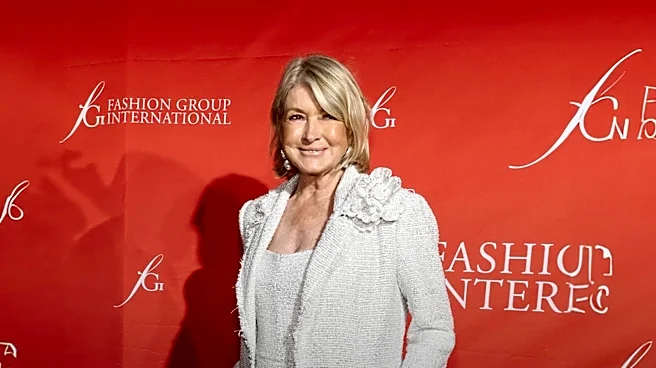
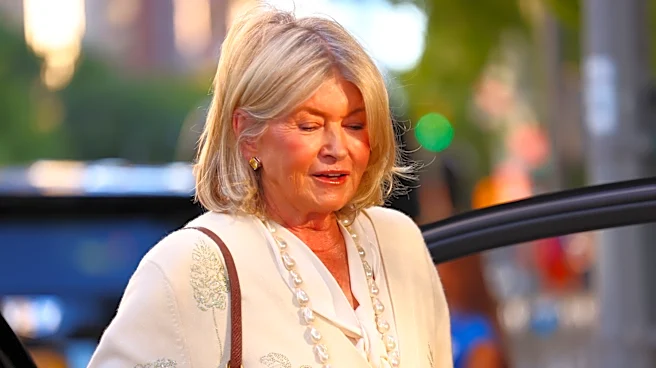
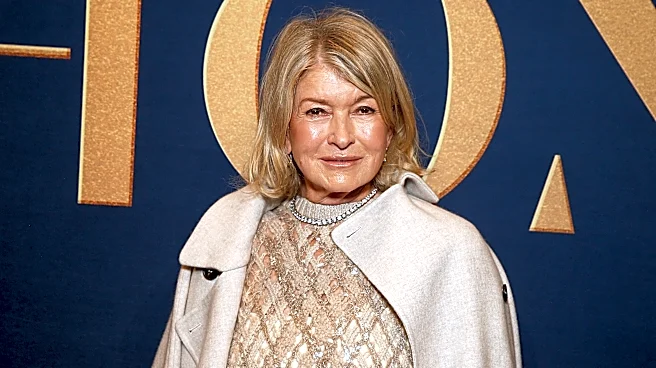
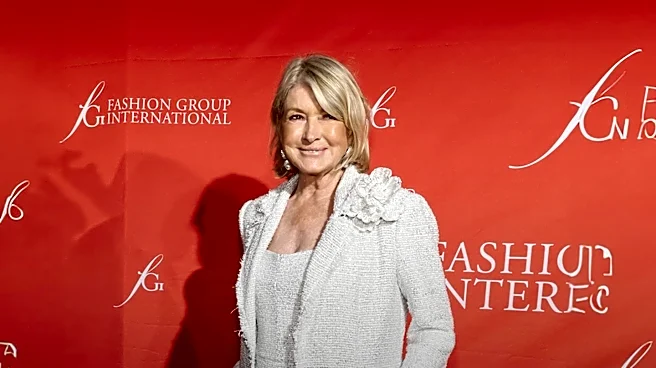
Martha Stewart has issued a second apology for her Halloween costume, which depicted her as a homeless person. Initially, Stewart stated her costume was intended to raise awareness about homelessness, but after significant backlash on social media, she
described it as "insensitive and not funny." Her costume, which has since been deleted from her Instagram, reportedly featured her in a tattered sweater and jeans with smeared makeup, holding a sign that read, "I am hungry. Help me." This incident occurred as the U.S. Department of Housing and Urban Development reported that over 745,000 people were homeless in the United States on a single night in January 2025, marking a 27% increase since 2013.
Why It's Important?
This event highlights the growing public scrutiny faced by public figures regarding their social commentary and actions, particularly concerning sensitive issues like homelessness. Stewart's apology reflects the immediate and widespread impact of social media on public perception and accountability. The backlash underscores a societal demand for empathy and understanding towards marginalized communities, rather than their portrayal in a manner perceived as trivializing or mocking. The incident also draws attention to the stark reality of homelessness in the United States, a crisis that has seen a significant increase in recent years, emphasizing the disconnect between the experiences of the wealthy and the struggles of those facing economic hardship.
What's Next?
Martha Stewart will likely face continued public discussion regarding her actions and apologies, with some accepting her remorse and others remaining critical. The incident may serve as a cautionary tale for other public figures about the potential pitfalls of insensitive portrayals of social issues. For the broader conversation on homelessness, this event could inadvertently bring more attention to the statistics and human stories behind the crisis, potentially spurring further dialogue and action from advocacy groups and policymakers. The U.S. Department of Housing and Urban Development's ongoing efforts to address the rising rates of homelessness will continue, irrespective of this specific incident.
Beyond the Headlines
The controversy surrounding Martha Stewart's costume delves into deeper ethical and cultural implications. It raises questions about the appropriate ways to engage with and represent social issues, particularly by those in positions of privilege. The incident highlights the fine line between raising awareness and perpetuating stereotypes or causing offense. It also reflects a broader cultural shift where authenticity and genuine empathy are increasingly valued, and performative activism is met with skepticism. This event could contribute to a more nuanced understanding of how public figures navigate social responsibility and the impact of their actions on public discourse, especially concerning vulnerable populations.