
What's Happening?
GuestCentric's Melissa AI Sales Assistant has demonstrated a significant impact on hotel direct bookings, achieving an 11.5% direct conversion rate across 556 participating hotels. This rate is substantially
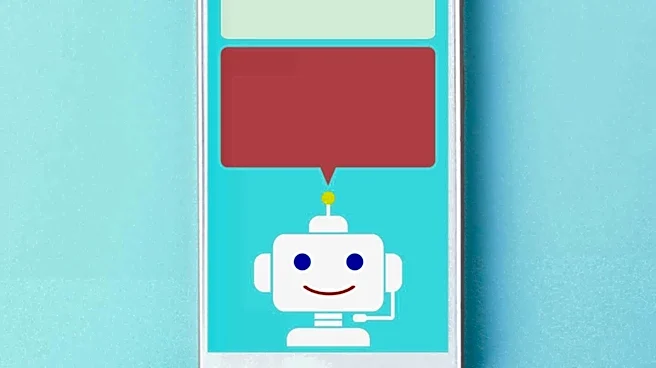
higher than the widely reported hospitality industry benchmark of approximately 2%. The Melissa AI, embedded directly into the GuestCentric booking engine, also drives a 38% increase in average direct booking value. Unlike traditional FAQ chatbots, Melissa AI connects to each hotel’s live availability, dynamic pricing, website content, and operational policies. This real-time context allows the AI to recommend tailored room upgrades and on-property amenities to guests before checkout. Data collected between May and November 2026 revealed that 56% of guests voluntarily share their stay dates, group size, and room preferences during their initial interactions with the AI.
Why It's Important?
This development is highly significant for the U.S. hospitality industry, particularly for independent hotels that often struggle to compete with Online Travel Agencies (OTAs). By achieving an 11.5% direct conversion rate, Melissa AI empowers hotels to capture a larger share of direct bookings, thereby reducing reliance on OTAs and avoiding their associated commissions. This directly impacts hotels' profitability and allows them greater control over their customer relationships. The ability of the AI to provide real-time, property-specific answers and personalized recommendations addresses a critical pain point for travelers who often encounter static booking forms or difficulty finding nuanced information, leading to lost direct website traffic. The increased average booking value also indicates that the AI effectively up-sells and cross-sells, further boosting revenue for hotels.
What's Next?
GuestCentric will likely continue to promote Melissa AI's success metrics to attract more independent hotels seeking to enhance their direct booking strategies. The company may invest further in developing Melissa AI's capabilities, potentially incorporating more advanced personalization features or integrating with other hotel operational systems. The demonstrated success could also spur other technology providers in the hospitality sector to develop similar AI-driven sales assistants, leading to increased competition and innovation in the market. Hotels that adopt such technologies will need to continuously monitor their performance and adapt their strategies to maximize the benefits, while also ensuring a seamless and positive guest experience. The trend towards AI-powered direct booking tools is expected to grow, potentially reshaping how hotels interact with prospective guests.
Beyond the Headlines
The success of Melissa AI highlights a broader shift in consumer behavior and expectations within the travel industry. Travelers increasingly seek instant, personalized, and comprehensive information, and AI is proving to be an effective tool to meet these demands. This development also underscores the growing importance of data-driven insights in hospitality, as the AI leverages guest interactions to optimize recommendations and increase conversion. Ethically, the use of AI in sales raises questions about transparency and the potential for algorithmic bias in recommendations, though the current focus is on enhancing customer experience and hotel revenue. Long-term, the widespread adoption of such AI tools could lead to a more direct and personalized relationship between hotels and their guests, potentially altering the competitive landscape and the role of intermediaries in the travel booking ecosystem.