







What's Happening?
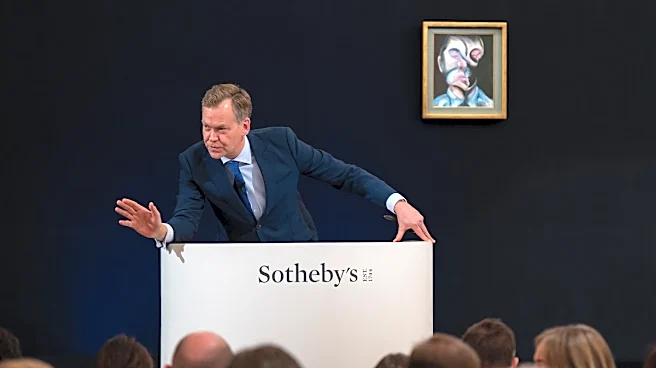
Sotheby's is set to auction a collection of 1,000 previously unseen sketches by the late fashion icon Karl Lagerfeld. The auction, scheduled to run online from July 2 to July 8, will feature drawings that showcase Lagerfeld's approach to color, texture,
cut, and silhouette. These sketches, some dating back to the 1970s, were retained by Lagerfeld until his death in 2019. The auction will also include other personal items such as Lagerfeld's iPods and signature fingerless gloves. This event marks the sixth auction of Lagerfeld's estate by Sotheby's since 2021, with previous sales generating significant interest and revenue.
Why It's Important?
The auction of Karl Lagerfeld's sketches underscores the enduring influence and appeal of his work in the fashion industry. Lagerfeld, who was instrumental in shaping the identities of major fashion houses like Chanel and Fendi, remains a significant figure in fashion history. The sale of his sketches not only offers a glimpse into his creative process but also highlights the continued demand for his work among collectors and fans. This auction could further cement Lagerfeld's legacy as a 'world icon' and contribute to the ongoing appreciation and valuation of fashion as a form of art and cultural heritage.
What's Next?
As the auction approaches, it is anticipated that collectors and fans of Lagerfeld will actively participate, potentially driving up the prices of the sketches and other items. The outcome of the auction could influence future sales of fashion memorabilia and set new benchmarks for the valuation of designer artifacts. Additionally, the success of this auction may encourage other fashion houses and designers to consider similar sales of their archives, further integrating fashion into the broader art market.
Beyond the Headlines
The auction of Lagerfeld's sketches also raises questions about the preservation and commercialization of artistic legacies. As fashion increasingly intersects with art, the ethical considerations of selling personal and creative artifacts come to the forefront. This event may prompt discussions about the responsibilities of auction houses and collectors in maintaining the integrity and context of such works, ensuring they are appreciated not just as commodities but as cultural and historical artifacts.