






What's Happening?
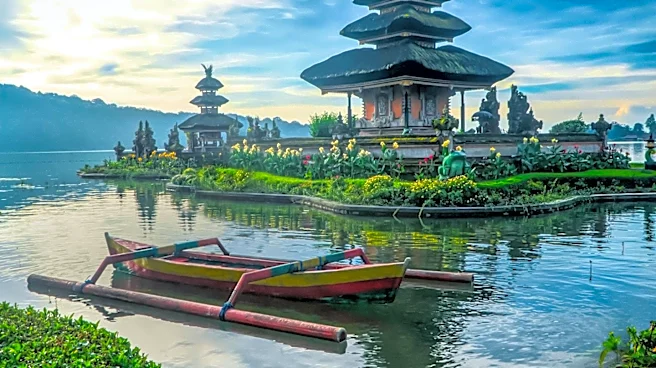
Eco-tourism projects in Bali are providing tourists with authentic cultural immersion experiences. These initiatives, deeply rooted in the local philosophy of Tri Hita Karana—which emphasizes harmony with gods, humans, and nature—go beyond environmental
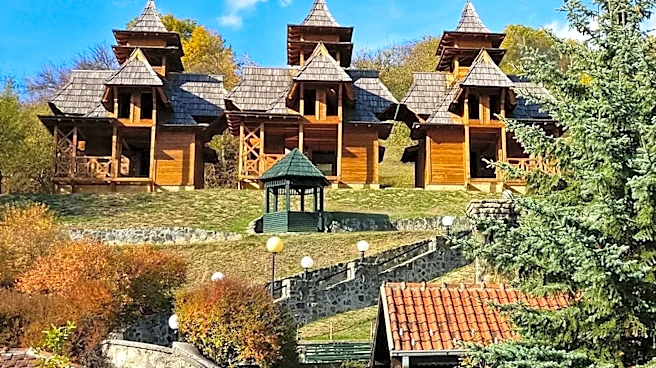
sustainability to actively promote regeneration. Examples include bamboo architecture villas, farm-to-table dining, and guided walks through cultural landmarks like those offered by Ubud Story Walks. These projects aim to ensure that tourism contributes positively to the landscape and local communities, offering a deeper connection to Balinese culture. Businesses like Potato Head in Seminyak and Bambu Indah near Ubud are leading examples, integrating eco-luxury with community and environmental education.
Why It's Important?
The integration of cultural immersion within eco-tourism in Bali highlights a growing trend in the global tourism industry, where travelers seek more meaningful and authentic experiences beyond conventional sightseeing. For the U.S. tourism market, this signifies a shift in consumer preferences towards responsible travel that offers both environmental benefits and cultural enrichment. This approach can influence U.S. travel agencies and tour operators to develop similar offerings, catering to a demographic increasingly interested in sustainable and culturally sensitive vacations. It also demonstrates a model where economic development through tourism can align with cultural preservation and environmental stewardship, potentially inspiring similar initiatives in U.S. destinations with rich cultural heritage or natural beauty.
What's Next?
The success of Bali's eco-tourism model could lead to increased demand for similar culturally immersive and sustainable travel options globally, including within the U.S. Tour operators and hospitality providers in the U.S. might explore developing programs that integrate local cultural philosophies and regenerative practices into their offerings. This could involve partnerships with indigenous communities, local artisans, and environmental organizations to create authentic experiences that benefit both visitors and host communities. Furthermore, the emphasis on education and connection to local values could become a benchmark for responsible tourism, influencing policy discussions around sustainable tourism development and cultural heritage protection in various U.S. states.
Beyond the Headlines
The Balinese approach to eco-tourism, guided by the Tri Hita Karana philosophy, offers a profound lesson in integrating spiritual and cultural values with economic activity. This model challenges the conventional view of tourism as purely transactional, instead framing it as a reciprocal relationship that can foster harmony and well-being. For the U.S., where cultural heritage and environmental conservation are often treated as separate concerns, this integrated philosophy could inspire new frameworks for development. It suggests that by embedding local values and traditions into economic ventures, it's possible to create more resilient, equitable, and enriching experiences for both residents and visitors, fostering a deeper respect for diverse cultures and the natural world.