







What's Happening?
The iconic video game Doom, released in 1993, has become a cultural phenomenon due to its ability to be ported to a wide array of devices. Originally developed by id Software, Doom was first released on IBM PCs and has since been adapted to numerous platforms,
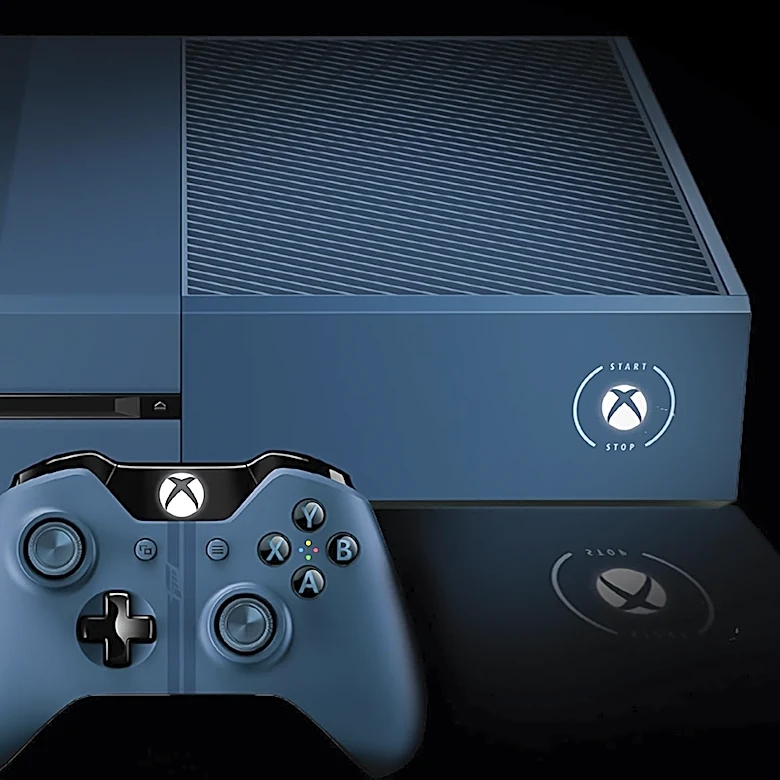
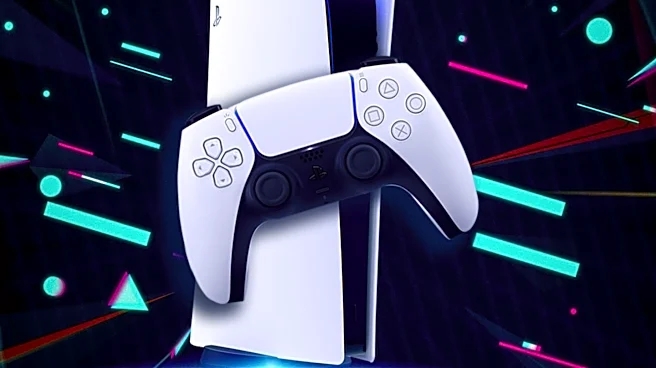
including modern gaming consoles and unconventional devices like graphing calculators and smart appliances. The game's source code was made publicly available in 1997, allowing enthusiasts to port it to various devices, contributing to its enduring popularity. This adaptability has turned Doom into a meme, with challenges to run it on increasingly unusual hardware.
Why It's Important?
Doom's widespread porting underscores the game's significant impact on both gaming culture and technology. Its adaptability has kept it relevant across generations, allowing new audiences to experience a foundational piece of gaming history. The phenomenon also highlights the creativity and technical skills within the gaming community, as enthusiasts continue to push the boundaries of what devices can run the game. This trend reflects broader themes in technology, such as open-source development and the democratization of software, which encourage innovation and experimentation.
Beyond the Headlines
The porting of Doom to unconventional devices raises questions about the intersection of technology and culture. It illustrates how a piece of software can transcend its original purpose, becoming a symbol of technical ingenuity and cultural persistence. This trend may inspire similar efforts with other classic games, fostering a culture of experimentation and nostalgia in the tech community. Additionally, it highlights the potential for open-source projects to drive innovation and community engagement in unexpected ways.