

What's Happening?
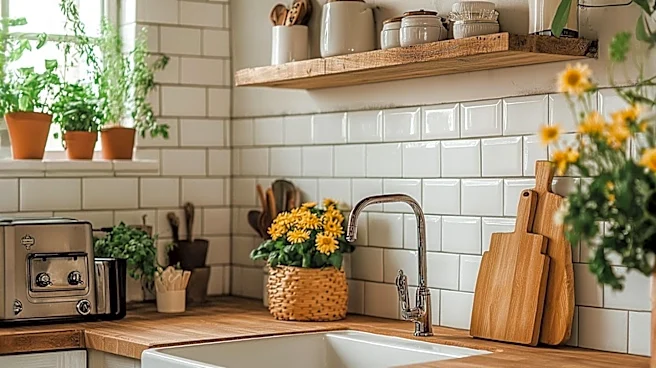
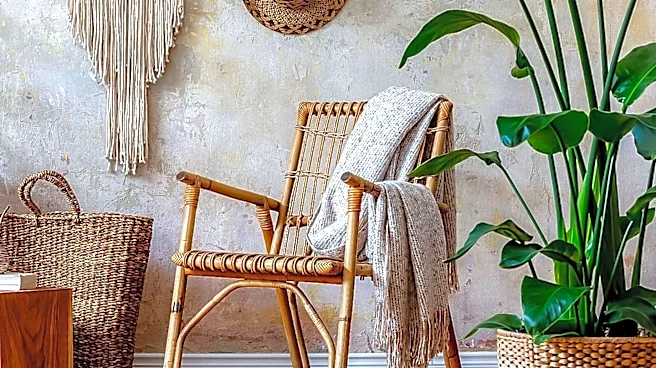
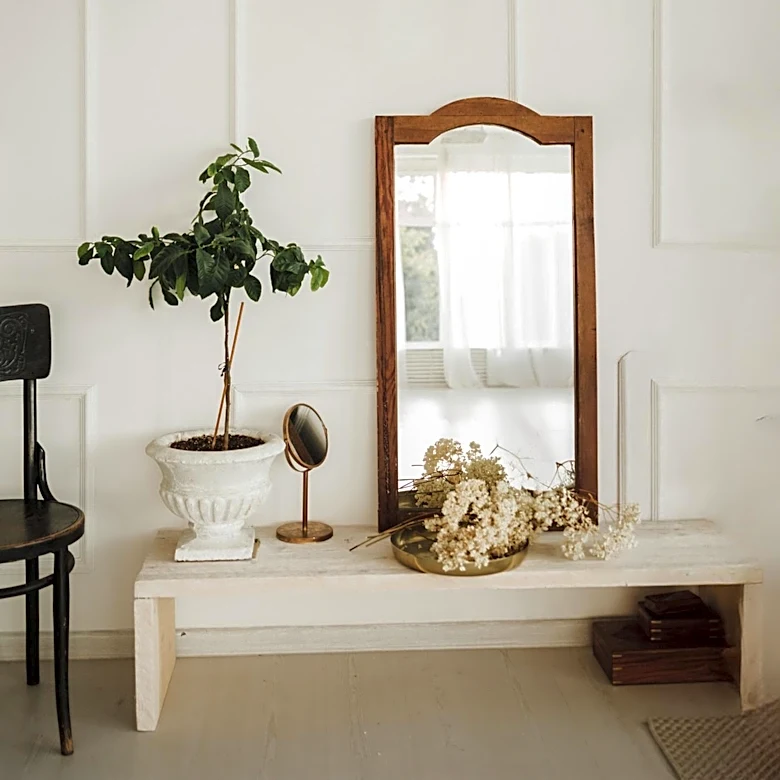
The rustic aesthetic is characterized by a blend of distressed wood, delicate patterns, and a muted color palette, creating an atmosphere that combines rustic charm with elegant details. This design philosophy is prominently featured in French Country
interiors, which draw inspiration from the natural beauty of rural France. These interiors seamlessly integrate traditional pieces with subtle modern elements to achieve a serene and sophisticated living space. An example of this aesthetic is a vintage Chinese calligraphy art metal sign, which displays stylized calligraphy on an aged, crumpled paper background, embodying a rustic worn appearance. This approach to design emphasizes warmth and an inviting ambiance through the use of natural materials and soft hues, aiming for a timeless yet comfortable feel.
Why It's Important?
The enduring popularity of the rustic aesthetic, particularly in styles like French Country, highlights a broader consumer preference for designs that offer both comfort and elegance. This trend impacts the interior design industry by driving demand for specific materials such as distressed wood, natural stone, and wrought iron, as well as textiles like linen and cotton. For retailers and manufacturers, understanding this aesthetic is crucial for product development and marketing strategies, as it influences furniture styles, decor items, and color palettes. The blend of traditional and modern elements within this aesthetic also reflects a desire for versatile living spaces that can adapt to contemporary lifestyles while retaining a sense of history and warmth. This design philosophy can influence real estate markets, as homes featuring these sought-after aesthetics may appeal to a wider range of buyers looking for a blend of classic charm and modern functionality.
What's Next?
The continued evolution of the rustic aesthetic is likely to see further integration with other design trends, such as minimalist and Japandi styles, to create hybrid looks that offer both simplicity and warmth. Designers and manufacturers may explore new ways to incorporate sustainable and reclaimed materials that align with the rustic ethos while meeting modern environmental standards. We can anticipate a focus on personalized touches, where individuals blend vintage finds with contemporary pieces to create unique spaces. The market may also see an increase in DIY and customizable options that allow consumers to achieve a rustic look with modern convenience. Furthermore, as technology advances, there may be innovations in materials that mimic natural textures and aged appearances, offering durable and low-maintenance alternatives for achieving this aesthetic.
Beyond the Headlines
Beyond its visual appeal, the rustic aesthetic taps into a deeper cultural yearning for authenticity, connection to nature, and a sense of history in an increasingly digital and fast-paced world. This design choice can be seen as a counter-movement to overly sleek and sterile modernism, offering a comforting and grounded environment. Ethically, the emphasis on natural and often reclaimed materials can promote sustainable practices in manufacturing and consumption, encouraging a more mindful approach to home decor. Culturally, it reflects a romanticized view of rural life and craftsmanship, providing a sense of escape and tranquility. The blend of old and new also speaks to a desire for continuity and heritage, allowing individuals to create spaces that feel both personal and timeless, fostering a sense of well-being and belonging within their homes.