





What's Happening?
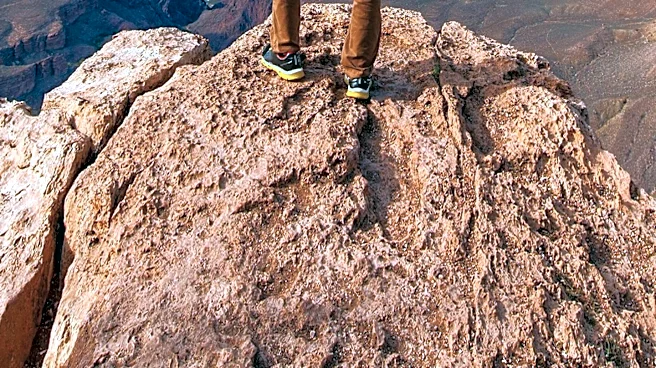
A new exoskeleton device, the Hypershell X Ultra S, was tested by a hiker with spinal stenosis during a trek in the Grand Canyon. The device, priced at $1,999, is designed to assist with endurance and reduce fatigue by providing mechanical support to the legs.
The hiker, who typically uses a cane for long walks, was able to complete a 12,000-step hike without it, thanks to the exoskeleton. The device features a battery pack that powers motors attached to the user's legs, offering different levels of assistance through various modes controlled by an app. Despite the assistance, the hiker noted that the exoskeleton did not transform him into a 'superhero' but did help alleviate back pain typically experienced after such physical exertion.
Why It's Important?
The introduction of the Hypershell X Ultra S highlights advancements in wearable technology aimed at enhancing mobility for individuals with physical limitations. This development is significant for the healthcare and fitness industries, as it offers a new tool for improving quality of life and physical activity levels among those with mobility challenges. The device's ability to reduce fatigue and support endurance could lead to broader applications in rehabilitation and physical therapy, potentially reducing healthcare costs associated with long-term mobility issues. Additionally, it underscores the growing market for assistive technologies that cater to an aging population and those with chronic conditions.
What's Next?
As the Hypershell X Ultra S becomes available, its adoption and effectiveness in real-world scenarios will be closely monitored. Future iterations may focus on improving user comfort and expanding the range of activities supported by the device. Feedback from early adopters will likely influence design enhancements and software updates. The company may also explore partnerships with healthcare providers to integrate the exoskeleton into rehabilitation programs. Additionally, as technology advances, there may be opportunities to reduce costs, making the device more accessible to a wider audience.
Beyond the Headlines
The use of exoskeletons like the Hypershell X Ultra S raises ethical and societal questions about accessibility and the potential for technology to bridge gaps in physical ability. As these devices become more prevalent, discussions around insurance coverage, affordability, and equitable access will be crucial. Furthermore, the psychological impact of using such technology on individuals' self-perception and independence warrants consideration. Long-term studies could provide insights into how these devices affect users' overall health and well-being.