


What's Happening?
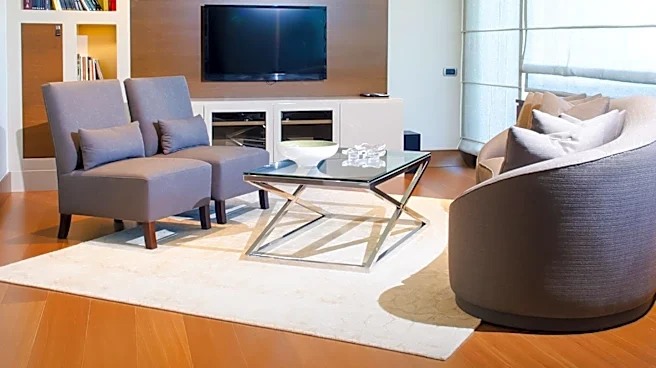
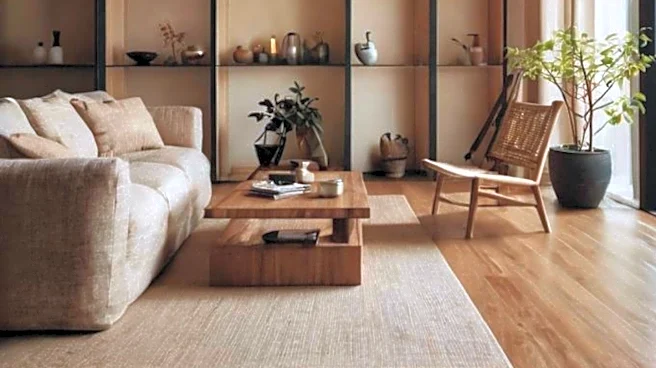
Studio apartment design is evolving to prioritize livability and adaptability over mere square footage. Modern approaches emphasize simplicity, clean lines, and neutral color palettes, often incorporating a mix of natural and synthetic materials. Minimalist
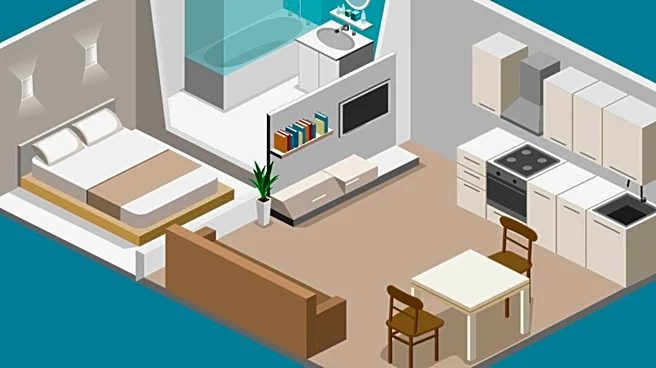
designs are gaining traction, focusing on functionality, open floor plans, and streamlined furnishings to create a sense of calm and order. A key trend involves clever room divider ideas that integrate storage solutions, maximizing the utility of compact spaces. The 'Livability Quotient' framework, developed by Resource Furniture, assesses how well a residence supports everyday life by considering functional capacity, adaptability, usable floor area, integrated storage, and comfort. This framework helps designers and developers evaluate how many activities a home can comfortably support and how easily it can adapt to changing needs throughout the day and over time. For instance, transformable furniture allows multiple functions to occupy the same planned area without requiring permanent space for each, such as a living area that also provides a full sleeping function.
Why It's Important?
This shift in studio apartment design is important for the U.S. housing market, particularly in urban centers where space is at a premium. By focusing on livability and adaptability, developers can create more functional and appealing compact units, potentially addressing the demand for affordable housing without sacrificing quality of life. The emphasis on integrated storage and multi-functional furniture means residents can enjoy a broader range of activities within a smaller footprint, making studio apartments more attractive to a wider demographic, including couples and individuals who work from home. This approach can lead to more efficient use of urban land and resources, as smaller, well-designed units can accommodate more people. For consumers, it means potentially finding homes that feel more spacious and versatile than their square footage suggests, improving their daily living experience. For the real estate industry, it offers a competitive edge by providing innovative solutions to common space constraints, potentially increasing occupancy rates and resident satisfaction in multifamily developments.
What's Next?
The trend towards livability-focused studio apartment design is expected to continue, with further integration of smart home technology and custom-designed transformable furniture. Developers and architects will likely collaborate more closely with furniture manufacturers early in the planning process to ensure seamless integration of flexible solutions. This will involve considering furniture dimensions, movement zones, storage, and electrical requirements during the architectural design phase. We may see an increase in furnished studio units that come with pre-installed, multi-functional furniture systems, offering residents immediate move-in readiness and optimized space utilization. The 'Livability Quotient' or similar frameworks could become more widely adopted as a metric for evaluating apartment layouts, influencing unit mix decisions and construction practices in multifamily developments. Additionally, there may be a greater focus on sustainable and durable materials for these compact living solutions, aligning with broader environmental goals.
Beyond the Headlines
Beyond the immediate benefits of increased functionality and appeal, this design philosophy has deeper implications for urban living and societal norms. It challenges the traditional perception that larger homes equate to higher quality of life, promoting a more minimalist and efficient lifestyle. This could lead to a cultural shift towards valuing experiences and community over material possessions and expansive personal space. Ethically, it raises questions about how to ensure these compact living solutions remain genuinely comfortable and not merely a way to cram more people into smaller spaces. Legal frameworks might need to adapt to new definitions of 'livable space' and 'functional capacity' as design innovations push the boundaries of traditional apartment layouts. Long-term, this trend could foster more sustainable urban environments by reducing per-capita resource consumption and encouraging denser, more walkable communities, ultimately reshaping the fabric of U.S. cities.