






What's Happening?
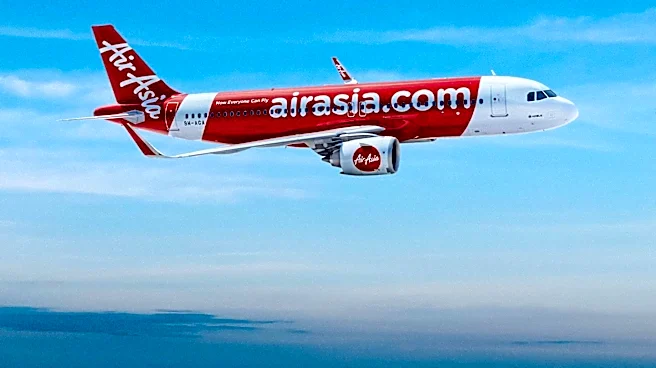
AirAsia Group announced plans to return 25 older aircraft to lessors by the end of 2026. This decision is part of a broader strategy to reduce fixed lease costs and cut capacity in underperforming markets. The group's second-quarter results revealed an 11%
year-on-year decrease in overall capacity, with further cuts of 20-25% planned for the third quarter. New aircraft deliveries, specifically A220-300 and A321-200NY(XLR) models, are not expected to begin until 2028. Group Chief Executive Bo Lingam previously indicated that twelve A320-200s would be returned in 2026, primarily from Indonesia AirAsia and Philippines AirAsia operations. The group has also suspended underperforming long-haul routes and delayed the launch of its Kuala Lumpur International-Bahrain International-London Gatwick fifth-freedom service, which was previously deferred to March 2027 due to the conflict in the Middle East. Financial pressures, exacerbated by the Middle East conflict and higher fuel costs, have led to reduced fleet allocations in the Philippines and Indonesia, with a focus on higher-yield domestic and core ASEAN routes.
Why It's Important?
This strategic move by AirAsia Group highlights the ongoing challenges faced by the aviation industry, particularly low-cost carriers, in navigating volatile market conditions. The decision to return older aircraft and reduce capacity reflects a proactive approach to cost management and operational efficiency in response to financial pressures. The emphasis on higher-yield domestic and core ASEAN routes indicates a shift towards more profitable segments, which could impact regional connectivity and competition. For the U.S. aviation market, while not directly affected, such actions by major international carriers can signal broader trends in global air travel demand, fuel costs, and fleet management strategies that could eventually influence U.S.-based airlines' long-term planning and international route considerations. The delay of new aircraft deliveries also points to potential supply chain issues or a cautious outlook on future demand, which could have ripple effects across the global aerospace manufacturing sector.
What's Next?
AirAsia Group plans to continue with its capacity cuts, aiming for a 20-25% reduction year-on-year in the third quarter, before restoring capacity to 'pre-war levels' in the final quarter. The return of 25 older aircraft to lessors will proceed through 2026, with a focus on optimizing the fleet and reducing operational costs. The group will monitor market conditions, particularly the impact of the Middle East conflict and fuel prices, to adjust its strategies accordingly. The delayed launch of the Kuala Lumpur International-Bahrain International-London Gatwick service will be re-evaluated, with its current deferral extending to March 2027. The company's focus will remain on stabilizing performance, protecting shareholder value, and capitalizing on the eventual recovery of the industry, leveraging its low-cost model and dominant position on core trunk routes. The introduction of new A220-300 and A321-200NY(XLR) aircraft is still slated for 2028, indicating a long-term fleet modernization plan.
Beyond the Headlines
The AirAsia Group's decision to shed older aircraft and cut capacity underscores a broader industry trend of airlines adapting to economic uncertainties and geopolitical events. This move could accelerate the retirement of less fuel-efficient aircraft, contributing to a gradual shift towards more modern and environmentally friendly fleets in the long run. The focus on core regional routes and higher-yield markets suggests a strategic re-evaluation of global expansion plans, potentially leading to a more concentrated and competitive regional air travel landscape. Furthermore, the deferral of new aircraft deliveries and the return of leased planes could impact aircraft lessors and manufacturers, influencing future production schedules and market dynamics. This situation highlights the delicate balance airlines must maintain between managing immediate financial pressures and investing in long-term growth and sustainability, especially in an industry highly susceptible to external shocks like geopolitical conflicts and fluctuating fuel prices.