




What's Happening?
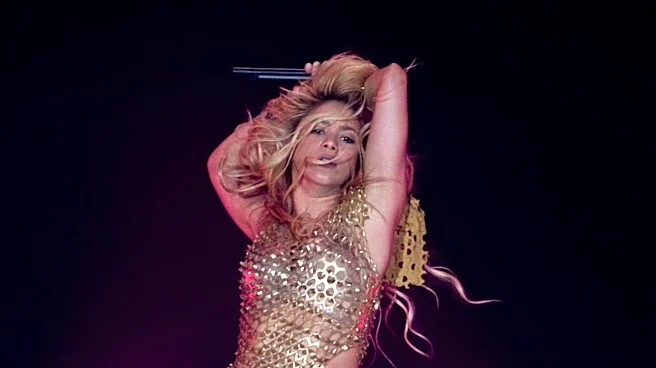
Recent discussions have emerged around the potential of dance as a form of exercise that can build muscle. Celebrities like Teyana Taylor and Zara Larsson have claimed that dance is a significant part of their fitness routines, raising questions about
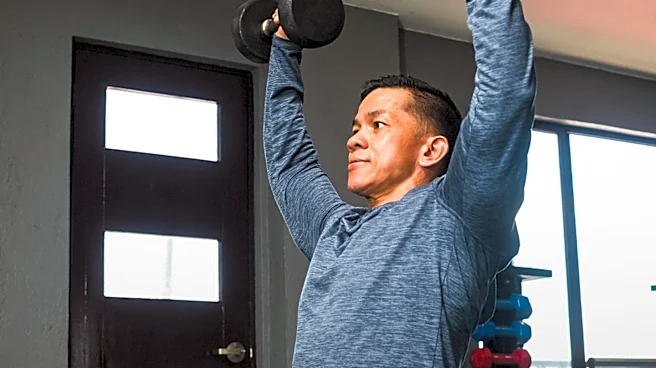
its effectiveness in muscle development. According to exercise physiologist Alex Rothstein, while dance can improve cardiovascular, metabolic, musculoskeletal, and cognitive systems, it may not lead to significant muscle hypertrophy, which typically requires weight training. Dance can enhance coordination, balance, memory, and stability, and for beginners, it can serve as a baseline for muscle development. However, for more experienced individuals, additional strength and resistance training may be necessary to achieve noticeable muscle growth.
Why It's Important?
The discussion highlights the broader implications of incorporating dance into fitness routines, especially for those seeking to improve their physical health without traditional weight training. Dance offers a fun and engaging way to maintain cardiovascular health and improve muscle tone, which can be particularly appealing to those who find conventional workouts less enjoyable. This approach can also encourage more people to engage in regular physical activity, potentially reducing the risk of lifestyle-related diseases. However, the limitations of dance in achieving significant muscle growth underscore the importance of a balanced fitness regimen that includes resistance training for those aiming for muscle hypertrophy.
What's Next?
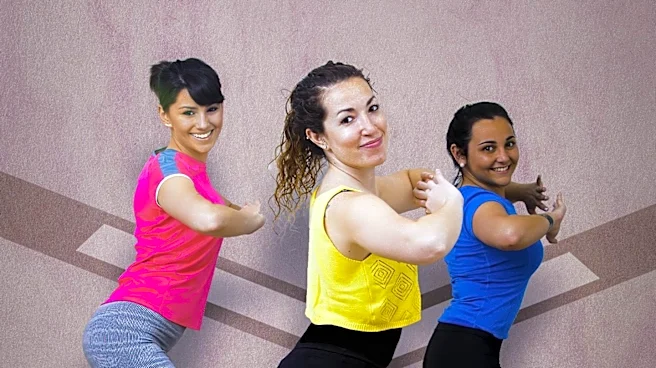
As the conversation around dance and fitness continues, individuals interested in using dance as a primary form of exercise may consider integrating it with other forms of physical activity. Experts recommend following guidelines that include resistance training and aerobic activities to ensure comprehensive health benefits. Fitness enthusiasts might explore various dance genres like jive and samba, which offer cardiovascular benefits and can stimulate muscle growth through repetitive and intense movements. The fitness industry may also see an increase in dance-based workout programs that cater to different fitness levels and goals.