





What's Happening?
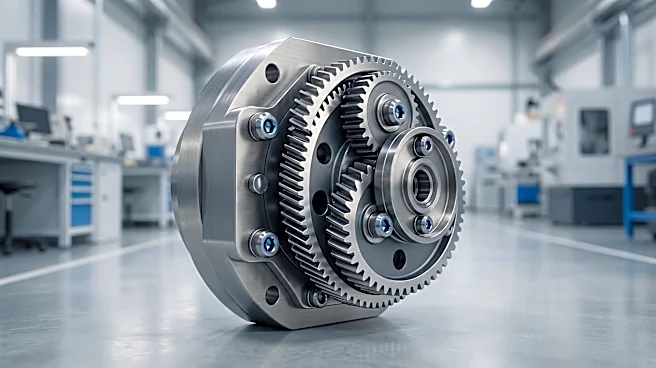
Radiant, an El Segundo, CA-based company, is actively seeking a Staff Equipment Engineer to contribute to the development and innovation of custom equipment for building and assembling its mass-produced, transportable nuclear microreactors. The company's
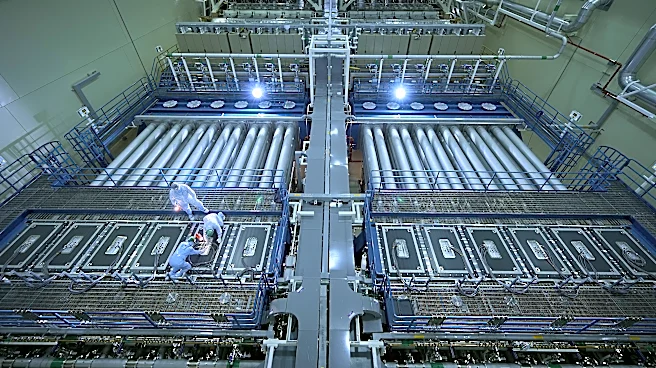
flagship product, Kaleidos, is a 1-megawatt microreactor designed to be factory-built, transported by various means, and deployed wherever power is needed. This 1 MW capacity can power 1,000 homes for five years, with a 20-year operating life after refueling. Radiant aims to address the growing strain on the U.S. grid, which is experiencing accelerating power demand, higher utility costs, increased carbon emissions, and interconnection backlogs. The Staff Equipment Engineer will work closely with design and manufacturing teams to create production equipment for fabricating and assembling complex mechanisms and structures, including semi-remote operations for fueling and defueling the reactor. Radiant was founded in 2020 and has contracts to supply power to the U.S. Army, Navy, and Air Force, with pre-order agreements with Equinix for deployments starting in 2028.
Why It's Important?
This hiring initiative by Radiant underscores a significant push towards innovative energy solutions in the United States, particularly in addressing grid vulnerabilities and increasing energy demands. The development of transportable nuclear microreactors like Kaleidos could revolutionize power supply for critical infrastructure such as military bases, data centers, hospitals, and remote sites, as well as commercial businesses. By offering a productized energy solution, Radiant aims to provide on-site power that is less susceptible to grid failures and can reduce reliance on traditional, often carbon-intensive, power sources. The role of a Staff Equipment Engineer is crucial in scaling the production of these microreactors, moving them from conceptual design to mass manufacturing. This could lead to a more resilient and decentralized energy infrastructure, potentially lowering utility costs and reducing carbon emissions in the long term. The successful deployment of such technology could also create new job opportunities in advanced manufacturing and nuclear engineering sectors.
What's Next?
Radiant's immediate next step is to fill the Staff Equipment Engineer position, which is critical for advancing the production capabilities of its Kaleidos microreactor. The selected engineer will be instrumental in developing the factory equipment necessary for mass production, fueling, and refueling operations. As Radiant continues to develop its production infrastructure, it will likely focus on fulfilling its existing contracts with the U.S. military branches and Equinix, with initial deployments anticipated to begin in 2028. The company will also need to navigate regulatory approvals and licensing processes for its microreactors, which are essential for widespread adoption. Further expansion of its workforce, particularly in manufacturing and engineering, is expected as the company scales its operations. The success of these early deployments will be crucial in demonstrating the viability and benefits of transportable nuclear microreactors, potentially paving the way for broader commercial and governmental adoption.
Beyond the Headlines
The emergence of companies like Radiant and their focus on transportable nuclear microreactors represents a deeper shift in the energy landscape, moving towards smaller, more flexible, and potentially more secure power generation. This approach challenges the traditional model of large, centralized power plants by offering decentralized energy solutions that can be deployed closer to the point of consumption. This could have profound implications for national security, enabling military installations and critical infrastructure to operate independently of the main grid, thus enhancing resilience against cyberattacks or natural disasters. Ethically, the development of advanced nuclear technologies requires stringent safety protocols and waste management strategies, which will be a continuous area of focus and public scrutiny. Culturally, the acceptance of nuclear power, even in microreactor form, will depend on public education and transparent communication regarding safety and environmental benefits. The long-term impact could include a significant reduction in reliance on fossil fuels and a more robust, distributed energy system across the U.S.