




What's Happening?
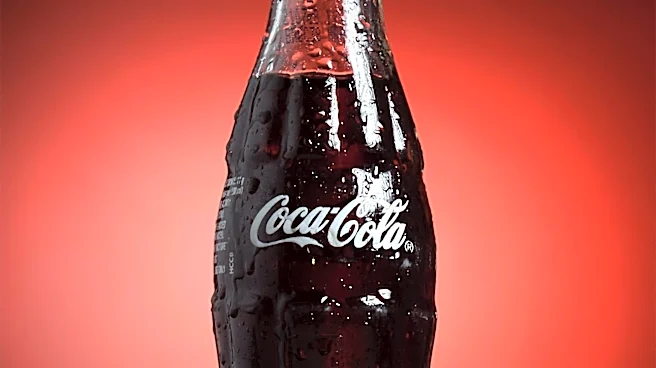
The Coca-Cola Company, a global beverage giant headquartered in Atlanta, Georgia, has seen a slight decrease in its brand value, dropping by $243 million from $46.3 billion in 2025 to $46.1 billion in 2026. Despite this decline, Coca-Cola maintains its position
as the world's most valuable non-alcoholic drinks brand. The company's brand rating also slipped from AAA+ in 2025 to AAA in 2026. This trend is mirrored by its competitor Pepsi, which experienced a more significant drop of $5.74 billion in brand value. In contrast, China's Nongfu Spring saw an impressive 38% growth in brand value, reaching $15.3 billion, and surpassed Coca-Cola in brand strength with an AAA+ rating.
Why It's Important?
This shift in brand value and strength highlights evolving consumer preferences and increasing competition in the global beverage market. While Coca-Cola's enduring global presence and extensive distribution network continue to support its stable value, the rise of brands like Nongfu Spring indicates a growing demand for bottled water, ready-to-drink tea, and no-sugar beverages. For U.S. beverage companies, this trend underscores the necessity of adapting to changing tastes and focusing on health-conscious options. The decline in brand rating for both Coca-Cola and Pepsi suggests that even established market leaders must innovate and maintain strong consumer perceptions to retain their competitive edge against rapidly growing international players.
What's Next?
Coca-Cola's strategy will likely involve continued innovation in its product portfolio, particularly in healthier and reduced-sugar alternatives, as evidenced by the success of Coca-Cola Zero Sugar. The company may also explore further expansion in emerging markets, where a significant share of beverage purchases remains untapped. The potential 2027 IPO for its Indian bottling arm could generate capital and valuation benefits, allowing for strategic investments to counter the growth of competitors. Monitoring consumer trends and adapting marketing and distribution strategies will be crucial for Coca-Cola to regain brand strength and sustain its market leadership.
Beyond the Headlines
The performance of Coca-Cola and the surge of Nongfu Spring reflect broader shifts in global consumer behavior, moving towards healthier and more diverse beverage options. This trend could lead to a re-evaluation of traditional soft drink dominance and encourage greater investment in functional beverages and sustainable practices across the industry. The increased competition from international brands also signals a more fragmented global market, where local preferences and innovative product development play a larger role. This could prompt U.S. beverage companies to diversify their portfolios and engage more deeply with regional consumer demands to maintain relevance and market share.