






What's Happening?
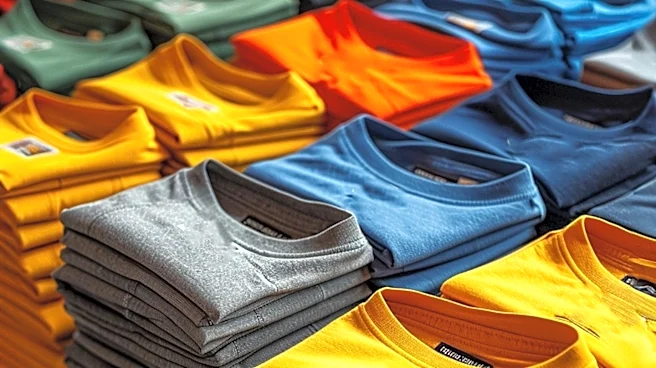
The apparel industry is observing a growing trend in the use of heavyweight tees, defined as fabrics weighing six ounces per square yard or more, for premium and oversized prints. This contrasts with standard tees, which typically weigh four to five ounces.
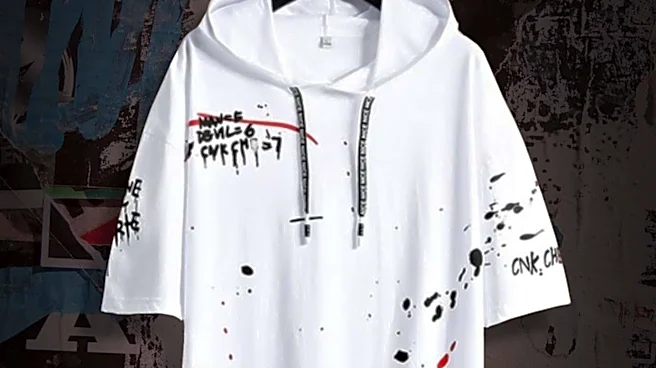
Heavyweight blanks are increasingly favored for streetwear-style designs due to their ability to support large graphics without appearing flimsy. While these thicker materials require longer heat press times—an additional three to five seconds compared to standard cotton—they are not inherently difficult to work with. The increased material density means heat takes more time to penetrate to the adhesive layer during the printing process. This shift reflects a demand for more substantial and durable garments in certain market segments.
Why It's Important?
This trend is significant for the U.S. apparel manufacturing and printing industries. Businesses involved in custom apparel, especially those catering to streetwear and premium markets, must adapt their production processes. The longer heat press times for heavyweight tees necessitate adjustments in workflow and potentially equipment to maintain efficiency and quality. For consumers, the rise of heavyweight tees means access to more durable and substantial clothing options, particularly for graphic-heavy designs. This could influence purchasing decisions, with a potential shift towards garments that offer a more premium feel and better support for intricate prints. Apparel shops are advised to stock a variety of blanks, including heavyweight options, to meet diverse customer demands and market trends, impacting inventory management and supplier relationships.
What's Next?
Apparel businesses and print shops are expected to continue integrating heavyweight tees into their product offerings. This will likely involve refining heat press techniques and potentially investing in equipment optimized for thicker fabrics to ensure efficient production. Training for staff on the specific requirements of pressing heavyweight materials will also be crucial. Furthermore, as consumer preference for durable and visually impactful apparel grows, the demand for heavyweight blanks is anticipated to increase, influencing textile manufacturers to expand their production of these materials. The market may also see innovations in heat transfer films and adhesives designed to optimize performance on thicker fabrics, further streamlining the printing process for these popular garments.
Beyond the Headlines
The increasing popularity of heavyweight tees points to a broader cultural shift in fashion towards durability and substance, moving away from fast fashion's emphasis on disposability. This trend could have environmental implications, as more durable clothing might lead to longer wear cycles and reduced textile waste. Ethically, it could encourage brands to invest in higher-quality materials and production methods, potentially leading to better working conditions and more sustainable practices within the supply chain. The aesthetic appeal of heavyweight fabrics, which often convey a sense of quality and longevity, also reflects a consumer desire for products that feel more substantial and less ephemeral in an increasingly digital and transient world. This preference for 'premium feel' extends beyond just the visual, encompassing the tactile experience of clothing.