


What's Happening?
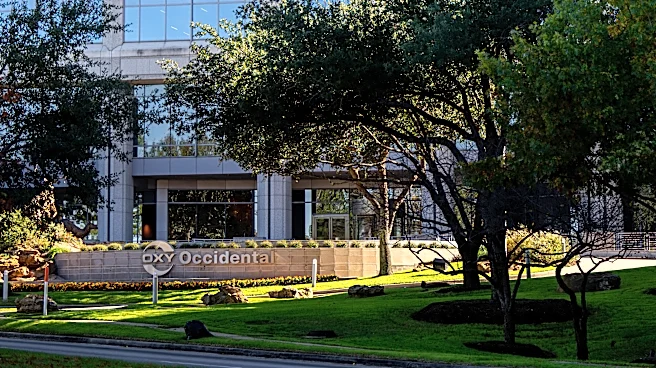
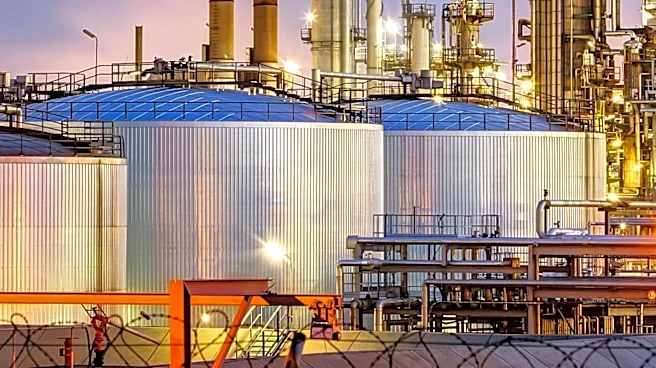
Berkshire Hathaway, under the leadership of new CEO Greg Abel, has made significant acquisitions, including OxyChem for an estimated $9.4 billion to $9.7 billion and Taylor Morrison Home Corp. for $6.8 billion. These strategic moves are part of a broader
capital deployment strategy that also saw the company repurchase approximately $9.6 billion of its own shares in the third quarter of 2026. This Q3 buyback involved 4,536 Class A shares and 12,384,959 Class B shares, surpassing the $4.53 billion repurchased in the previous quarter. Total buybacks under Abel for the year have reached $14.4 billion, continuing a program that has returned about $92 billion to shareholders since mid-2018. Abel, who took over as CEO on January 1, 2026, has also made substantial equity investments, including a large stake in Alphabet, indicating a more aggressive capital deployment pace compared to his predecessor, Warren Buffett.
Why It's Important?
These acquisitions significantly increase Berkshire Hathaway's exposure to the chemicals and homebuilding sectors, diversifying its vast portfolio. The substantial share repurchases signal management's confidence that Berkshire Hathaway's stock is undervalued, which could positively influence investor perception and stock performance. For investors, the performance of OxyChem and Taylor Morrison Home Corp. will serve as early indicators of Abel's acquisition strategy and his ability to generate returns that justify their price tags. The increased pace of capital deployment, including both acquisitions and buybacks, suggests a more proactive approach to managing Berkshire's considerable cash reserves, which currently stand at nearly $360 billion. This shift in strategy could set a new precedent for how the conglomerate utilizes its capital, potentially impacting market dynamics in the sectors it chooses to enter or expand within.
What's Next?
Investors will closely monitor the financial performance of OxyChem and Taylor Morrison Home Corp. to assess the success of these multi-billion dollar acquisitions. The returns generated by these businesses will be crucial in validating Abel's strategic decisions. Furthermore, the market will be watching how Abel continues to deploy Berkshire Hathaway's substantial cash reserves, which remain significant even after these large expenditures. Future capital allocation decisions, including potential new acquisitions, further share repurchases, or additional equity investments, will provide insights into the long-term direction of the company under its new leadership. The ongoing performance of the Alphabet stake will also be a key area of focus for shareholders tracking Abel's stock-picking acumen.
Beyond the Headlines
The aggressive capital deployment by Greg Abel marks a notable shift in Berkshire Hathaway's operational tempo, moving beyond the more conservative approach often associated with Warren Buffett's tenure. This change could reflect a broader trend among large conglomerates to actively seek growth opportunities and optimize capital utilization in a dynamic economic environment. The confidence demonstrated through significant share repurchases also highlights a belief in the intrinsic value of the company, potentially influencing other large corporations to consider similar strategies when they perceive their stock as undervalued. The success or challenges faced by Abel in integrating these new businesses and generating returns will likely be scrutinized as a case study for leadership transitions in major corporations, potentially shaping future corporate governance and investment strategies across the U.S. business landscape.