







What's Happening?
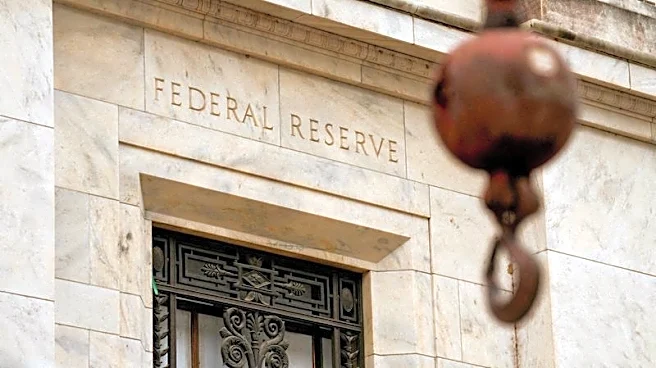
The Monetary Policy Committee (MPC), such as the Federal Open Market Committee (FOMC) in the United States, plays a crucial role in managing monetary policy to maintain price stability and support economic objectives like maximum employment. These committees
meet regularly to analyze economic data and determine whether to tighten, loosen, or maintain the current monetary policy stance. Their primary tools include adjusting interest rates, which directly impacts borrowing costs for consumers and businesses, and asset purchases or sales, known as quantitative easing or tightening, to influence market liquidity and long-term interest rates. The MPC also uses forward guidance to communicate future policy intentions, thereby influencing market expectations and economic behavior. Economist John Vickers highlights the delicate balance required, as the committee must weigh inflation risks against economic output and employment risks. When inflation deviates from its target, the MPC adjusts interest rates accordingly: raising them to cool an overheated economy or lowering them to stimulate growth during a slump.
Why It's Important?
Decisions made by the MPC have far-reaching implications for the U.S. economy and global financial markets. For consumers, changes in the base interest rate directly affect the cost of loans, credit cards, and mortgages. Higher rates encourage saving and reduce demand, helping to curb inflation, while lower rates make borrowing cheaper, stimulating consumer spending on significant purchases like homes and cars. Businesses are also heavily impacted, as higher borrowing costs can deter investment in new projects and slow hiring, whereas lower rates make capital more accessible, encouraging expansion and job creation. Financial markets react swiftly to MPC announcements, with interest rate changes often strengthening or weakening the national currency, which in turn affects the cost of imports and exports. The MPC's communication, or 'forward guidance,' can be as influential as the actual rate changes in moving markets, underscoring the committee's significant role in shaping economic activity and investor confidence.
What's Next?
The MPC will continue to monitor a vast array of economic indicators, including inflation rates, employment data, and GDP growth, to inform its future policy decisions. Regular meetings, typically held every six weeks, will involve reviewing the latest data, debating economic outlooks, and voting on policy instruments. The committee's primary objective remains inflation control, with the Federal Reserve aiming for a 2% inflation rate over the long run. Future actions will depend on whether inflation deviates from this target; if inflation remains high, further interest rate hikes could be anticipated to cool demand. Conversely, if the economy shows signs of a slump or inflation falls too low, the MPC might consider lowering rates to provide stimulus. The committee's forward guidance will also be crucial in managing market expectations and guiding economic behavior, as it communicates its intentions regarding future monetary policy adjustments.
Beyond the Headlines
The MPC's independence from short-term political pressures is a critical aspect of its function, designed to ensure decisions are based on data and long-term economic health rather than immediate electoral concerns. This independence fosters credibility in the eyes of markets and the public, providing a framework of certainty despite the inherent volatility that can accompany its announcements. The global interconnectedness of economies means that decisions made by the U.S. MPC, such as the Federal Reserve, can have international repercussions, influencing capital flows, currencies, and stock prices worldwide. Therefore, the MPC must balance domestic priorities with global economic realities, factoring in international trade tensions, geopolitical shocks, and the economic performance of major partners. This complex interplay highlights the ethical dimension of monetary policy, as decisions aimed at domestic stability can inadvertently create headwinds or tailwinds for other nations, underscoring the need for careful consideration of global economic impacts.