






What's Happening?
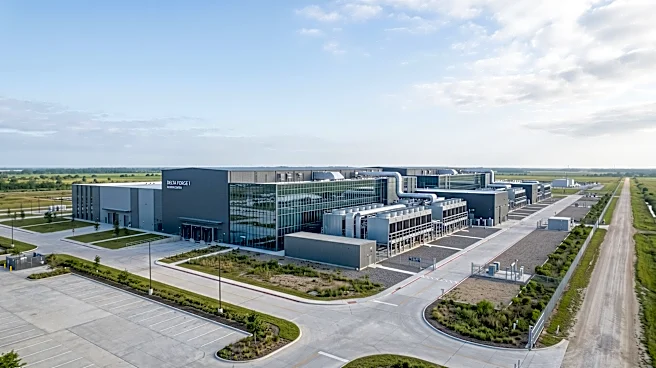
Greater Huron Development has presented an initial proposal for a new data center to be located at Vantage Business Park, just east of Huron, South Dakota, on the south side of U.S. Highway 14. The proposal was outlined during the Huron City Commission’s
meeting on November 23. According to Ted Haeder of Greater Huron Development, a conditional purchase agreement was signed on November 20, involving construction company CSW and real estate firm JLL. This purchase is currently pending, and the preliminary plans and renderings for the data center are subject to change as the project progresses. The development comes after South Dakota enacted its Data Center Bill of Rights for Citizens in March, which mandates specific regulations for data centers with a peak electricity demand of at least 10 megawatts. These regulations require electric utilities to establish separate service terms, ensuring data centers reimburse them for associated costs. Additionally, operators of covered data centers must inform local water providers of their projected water usage, allowing providers to assess compatibility with local supply. The law also upholds local governments' authority to regulate data center development and operations.
Why It's Important?
The proposed data center in Huron, South Dakota, signifies a growing trend of technological infrastructure development in less urbanized areas, driven by factors such as land availability and energy costs. This project could bring significant economic benefits to the Huron region, including job creation during construction and operation, and increased tax revenue for local governments. The involvement of companies like CSW and JLL suggests a substantial investment, potentially boosting the local economy. Furthermore, South Dakota's proactive Data Center Bill of Rights for Citizens highlights a critical aspect of modern infrastructure development: balancing economic growth with environmental and resource management. By requiring data centers to reimburse utilities for costs and notify water providers of usage, the state aims to mitigate potential strains on local resources, particularly electricity and water. This legislative framework could serve as a model for other states looking to attract data center investments while safeguarding local interests and ensuring sustainable development practices. The project's success could also position South Dakota as an attractive location for future tech investments.
What's Next?
The immediate next steps for the proposed data center involve the finalization of the conditional purchase agreement between CSW, JLL, and Greater Huron Development. Following this, the preliminary plans and renderings will likely undergo further refinement as the project moves from conceptualization to detailed design. The Huron City Commission and local authorities will play a crucial role in reviewing and approving these plans, ensuring compliance with local regulations and the state's Data Center Bill of Rights. Operators will need to formally notify local water providers of their projected water use, and these providers will assess the compatibility with existing water supplies. Public engagement and community feedback may also become important as the project progresses, particularly regarding environmental impact and resource allocation. The development's timeline will depend on these approvals and assessments, with potential for construction to commence once all regulatory hurdles are cleared. The project's evolution will be closely watched as it sets a precedent for future data center developments in the state.
Beyond the Headlines
The establishment of a data center in Huron, South Dakota, extends beyond immediate economic impacts, touching upon broader themes of digital infrastructure, resource management, and regional development. The Data Center Bill of Rights for Citizens reflects a forward-thinking approach to regulating high-demand industries, acknowledging the significant environmental footprint of data centers, particularly concerning energy and water consumption. This legislative framework underscores a growing national conversation about the sustainability of digital growth and the responsibility of large-scale tech operations. The project also highlights the decentralization of tech infrastructure, moving away from traditional tech hubs to areas that offer strategic advantages like lower operating costs and available land. This shift could lead to a more distributed and resilient national digital network. Ethically, the project raises questions about equitable resource distribution and the long-term environmental impact on local communities. The success of this model in South Dakota could influence policy decisions in other states, shaping how future data center developments are managed across the U.S., balancing technological advancement with ecological stewardship and community well-being.