







What's Happening?
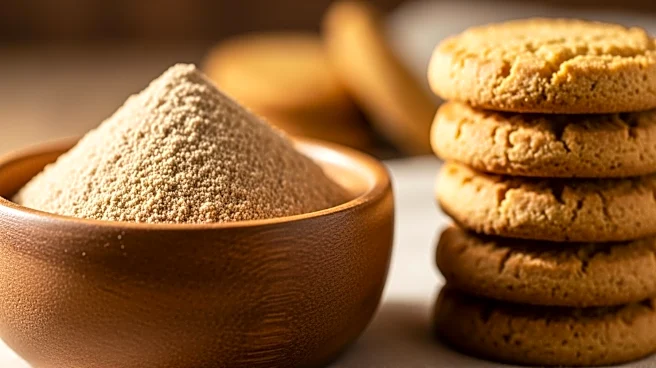
Researchers from several Turkish universities have discovered that incorporating peanut shell powder into cookies significantly boosts their nutritional content. The study, published in the Journal of Food Science, found that adding peanut shell powder increased
the crude fiber content by approximately 100 times, the total phenolic content by 1.8 times, and the antioxidant activity by 2.4 times compared to control samples. The research also noted that as the particle size of the peanut shell decreased, the cookies' starch digestibility declined while their mineral content increased. This innovation not only supports sustainable waste utilization but also offers a cost-effective method to create functional foods with added health benefits.
Why It's Important?
The use of peanut shell powder in cookies represents a significant advancement in sustainable food production and nutrition enhancement. By utilizing a byproduct that constitutes about 20% of a peanut's weight, this approach reduces waste and provides a new avenue for creating healthier food options. The increased fiber and antioxidant levels in cookies could appeal to health-conscious consumers and potentially influence the bakery industry's product development strategies. This innovation aligns with growing consumer demand for functional foods that offer additional health benefits, potentially impacting market trends and consumer preferences.
What's Next?
The findings from this study could encourage further research into the use of agricultural byproducts in food production. Food manufacturers might explore similar applications to enhance the nutritional profiles of other products, potentially leading to a broader range of functional foods in the market. Additionally, this development could prompt regulatory bodies to consider new guidelines for labeling and marketing such products, ensuring consumers are informed about their health benefits.